 Nöbetçi Eczaneler



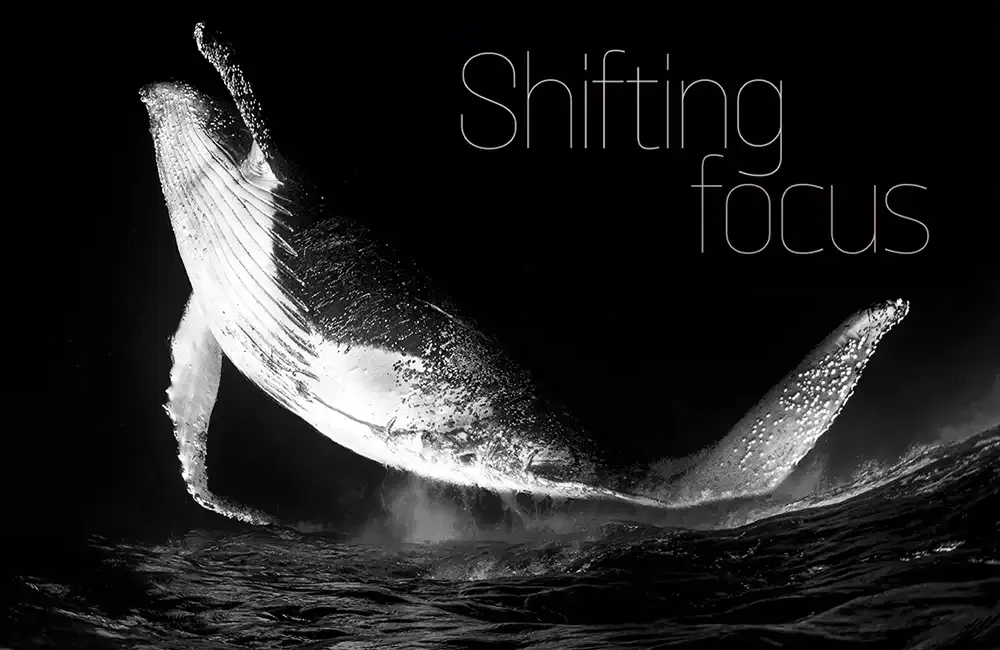
Fabi Fregonesi talks to DIVE about overcoming her fear of the ocean, leaving the corporate world and dedicating her life to connecting people with the underwater world through photography
Interview by Mark ‘Crowley’ Russell and pictures by Fabi Fregonesi
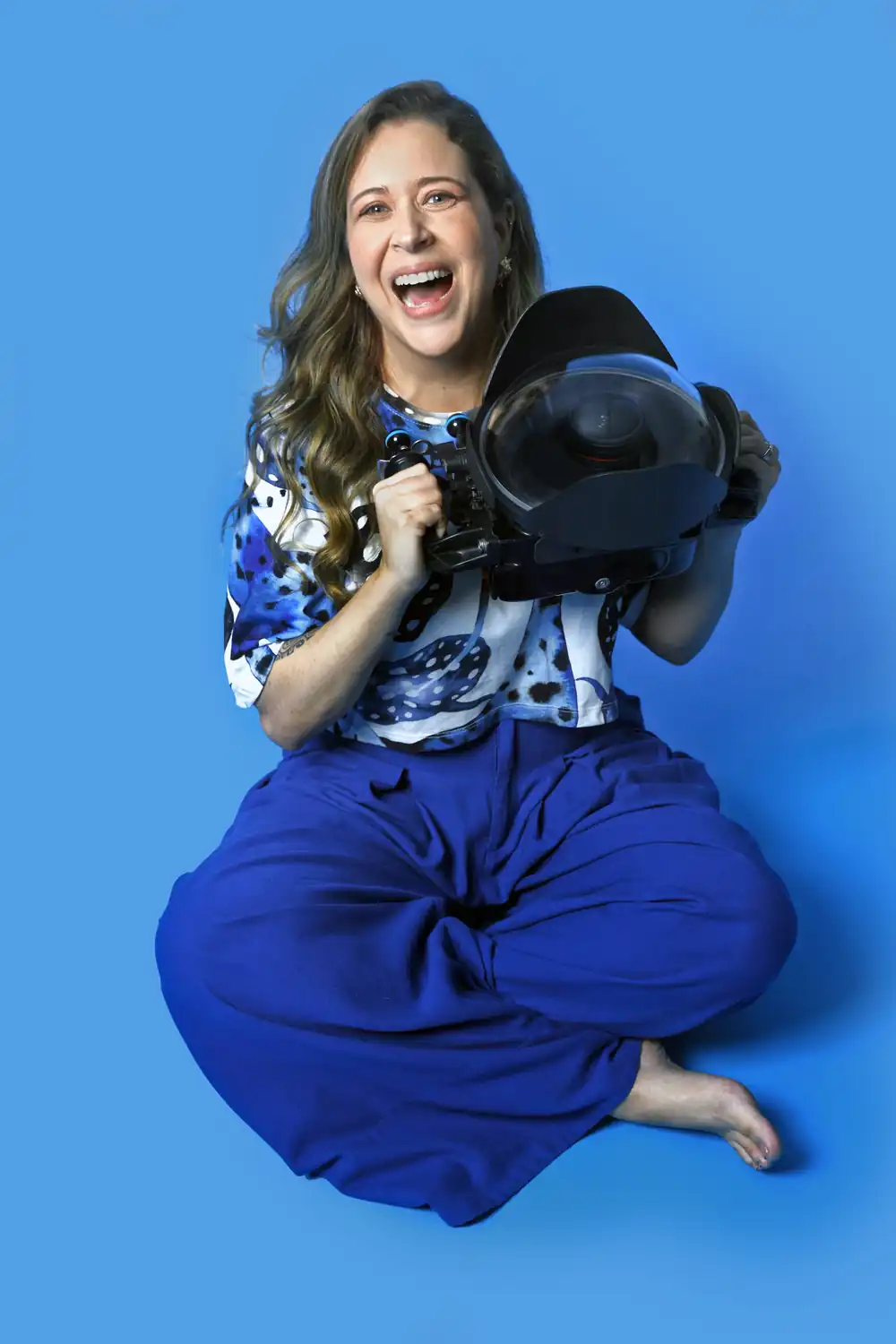
Fabi Fregonesi, originally from Rio de Janeiro and now based in São Paulo, was something of a latecomer to underwater photography, but earned a third place in the Underwater Photographer of the Year contest with her first ever competition entry.
She has been highly commended in three editions of DIVE’s Big Shot competition – Portraits, Living Together, and Light and Shadow – and was voted by readers as our Biggest Shot of 2025.
DIVE’s editor, Mark ‘Crowley’ Russell caught up with her to learn more about her transition from the corporate world and her work connecting people with the underwater one.
What came first for you? Was it photography or diving and when did you turn your hand to underwater photography?
The short answer is diving. I’m from Rio de Janeiro, which is a city with some awesome beaches, so I was an ocean girl when I was young. But things kind of changed when I was around 13 years old.
I was on a trip with my parents to Hawaii, and we decided to do a snorkelling tour but when I got into the water, the guide decided to throw food for the fish on to me.
So I was a 13-year-old girl with dozens of fish in a frenzy around me, slapping me, and after that, I got afraid of fish, and I got afraid of the ocean.
In 2009, I was 24 years old and living in São Paulo, where I still live today, and a friend and I were planning a trip to Fernando de Noronha, which is the most famous island that we have for diving here in Brazil. My friend suggested we do a diving course.
I don’t think I really was thinking rationally, because I didn’t think ‘diving means I will be underwater with fish and other animals’, I just said ‘okay, let’s do it’.
The pool part of the training was awesome. When I went to the ocean and I was 10 metres (33ft) deep and realised there were fish and other animals, I just panicked. So my first dive started with a panic attack underwater.
I was with really good instructors, and they were able to manage the situation so I was able to finish the dive and get more comfortable underwater. This was the turning point for my relationship with the ocean. It was around 11 years after the first situation with the fish food.
After I really started enjoying diving, I said, ‘okay, I need to show this to other people. I need to show people that can’t be underwater what I see here.’ My first contact with any kind of photography was learning how to take pictures underwater with one of the basic courses.
I started with a compact camera, a Canon G12, and saw that I was able to take some okay-looking photos. After a while, I migrated to my first DSLR, the original Canon 5D. Then I started to take specific underwater photography classes, but privately, with other photographers that I really admired.

You say in your profile that you were part of the corporate world for more than 20 years, but decided to quit to pursue photography on a full-time basis. What changed?
I graduated in marketing, with a post-graduate in business administration, and I worked at Google for more than 18 years. It was awesome. I learned a lot and I was really happy.
I was lucky enough to be working in a company where I had the opportunity to perform in roles and positions that I would never have imagined.
Then, in 2023, life decided to shake me a little bit, and I had a health issue that took me four times to the hospital in one year. One of them was in South Africa during the Sardine Run. I stayed 11 days at the hospital in South Africa.
I like to make it clear that this had nothing to do with diving, because that’s what people usually ask me, but on this trip to the Sardine Run I was only snorkelling. The doctors told me I had diverticulitis with intestinal perforation, and the examinations were showing that I had sepsis.
I think this trip changed my life forever, because I literally heard from the medical team that I was dying, that I could die at any moment. Of course, I was terrified. It was the most terrifying moment in my life.
But today, I see how important it was for me to start questioning: what am I doing with my life? Am I happy? Am I living the way I really believe?
I had four crises in 2023. After I came back to Brazil, I had another crisis and then had a planned surgery to remove part of my intestine and I was able to recover. So today everything is okay and I have a normal life, but it was a wake-up call.
The most important question that I started asking was, how do I really want to live the rest of my life? Before that, when I thought about the rest of my life, I was thinking around, like, 50 years from now. And then I realised that maybe I don’t have these 50 years.
This changed something in me, and I started questioning my relationship with my profession. I mean, there was nothing wrong – I was really happy at Google, and it was a really important tool for me to establish myself financially to be able to take this decision.
But then in 2024, I said, okay, I think now it’s the time, and I decided to leave the corporate world and then focus 100 per cent on photography.
Did you enter photo competitions before leaving Google?
Actually, it’s funny because I started with what’s considered one of the most difficult competitions. I had no idea what I was doing but I entered UPY (Underwater Photographer of the Year) at the beginning of 2024 while I was still at Google.
This was literally my first international competition, but I was awarded third place in the wrecks category – my first trial and my first award.
I felt that I’d had my work validated by some people that I really respected, and I think this was important for me as well, because I started to believe a little bit more in my photography and in my skills.
I left Google in the middle of 2024, then started to use contests as tools for my work. I used them to build a CV, because I’m more than 40 years old and starting kind of later than many other people.
More importantly, they helped to improve my photography, because in the contest world you get to know really interesting photographers, learn new techniques, get inspired, and really challenge yourself to make something better year after year. I usually say that the contest is me versus me, not me versus the others.
You know that you are competing with some amazing photographers, but I use that to understand how others see my photos, how I can improve, and what I need to learn more.

Was there a skill or technique that you learned that changed your approach to underwater photography?
I think there are many – because I really like to learn from different people and learn different things, so there was no one person that really changed my skills.
I did some online courses, like Alex Mustard’s – for me he is in many ways the best that we have nowadays – and started to understand more about what we can do with lighting and things like that. I still need to learn a lot.
I’m doing Alex Mustard’s workshop in Lembeh this year, in September, so I’m really excited.
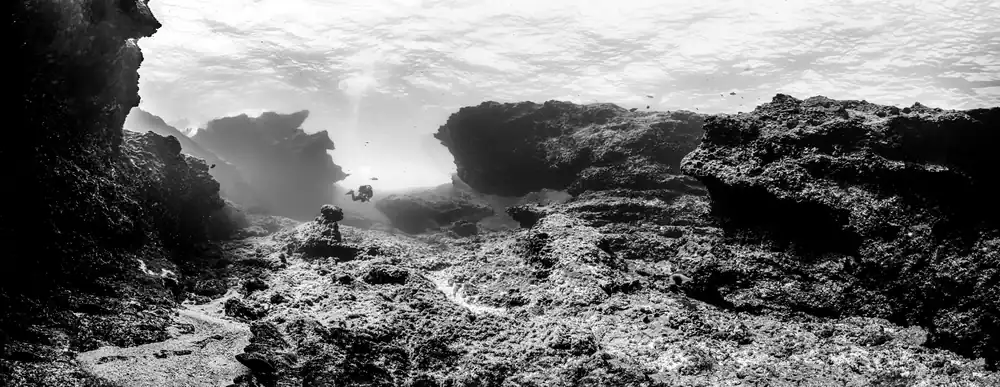
One example that I can give you, about how I try to challenge myself, is that my husband and I – he’s an underwater photographer as well – will launch a project creating underwater panoramas. We were watching a workshop by Martin Broen, a photographer we really admire, and he was talking about underwater panoramas.
This was something that we have never tried before, and we thought Fernando de Noronha would be an awesome place to start. It’s a beautiful dive, you can see a lot of life, but the underwater formations are much more beautiful than just the life itself.
We always thought there was no photo that could translate how beautiful this is, but we visited last year and again this year, and were able to take some panoramas to show off the formations, which opened a whole new world for us. We are going to launch the project probably next week or two weeks from now.
Do you have a favourite style? You seem to be quite happy with both macro and wide-angle photography.
I would not say macro versus wide angle. What I really like is behaviour. How can I register some interesting behaviours, and how can I tell a story with that photo?
For example, the photo ‘Star Quality’ that was recognised in Big Shot (Living Together, Summer ‘25 issue) tells the story of sea lions playing with a sea star, and the interaction really happens that way.
I really like to show some behaviour, and I usually try to study the place that I’m going in advance. I spent many hours studying Lembeh, what animals we could see, their behaviours, and things like that.
Of course, you can’t guarantee anything, because you are talking about nature, but you should not create a scene only for you to photograph. I know that some photographers do this, but it’s not the right way.
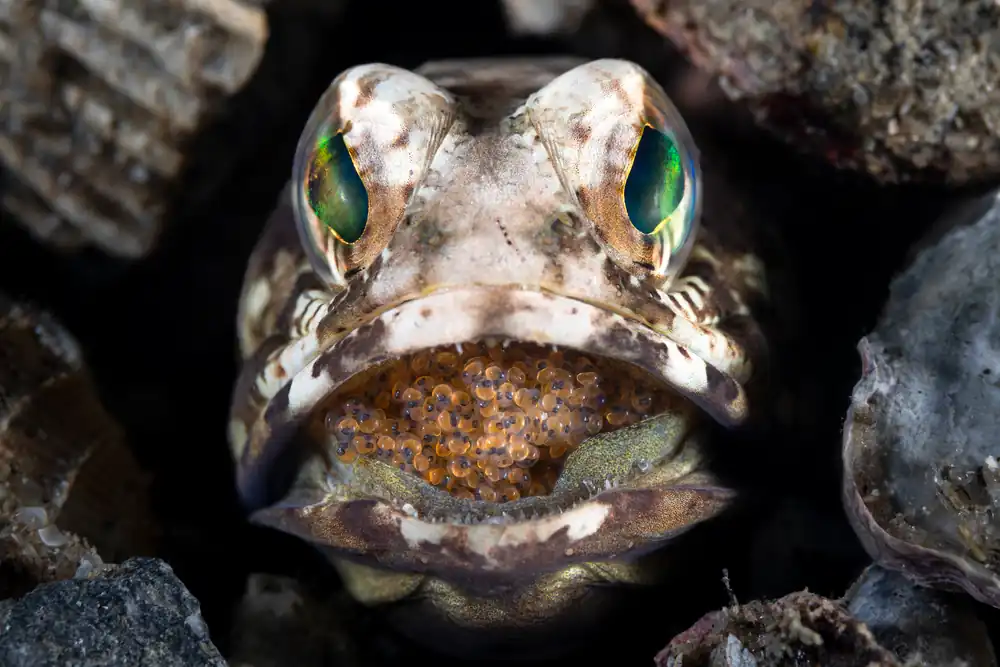
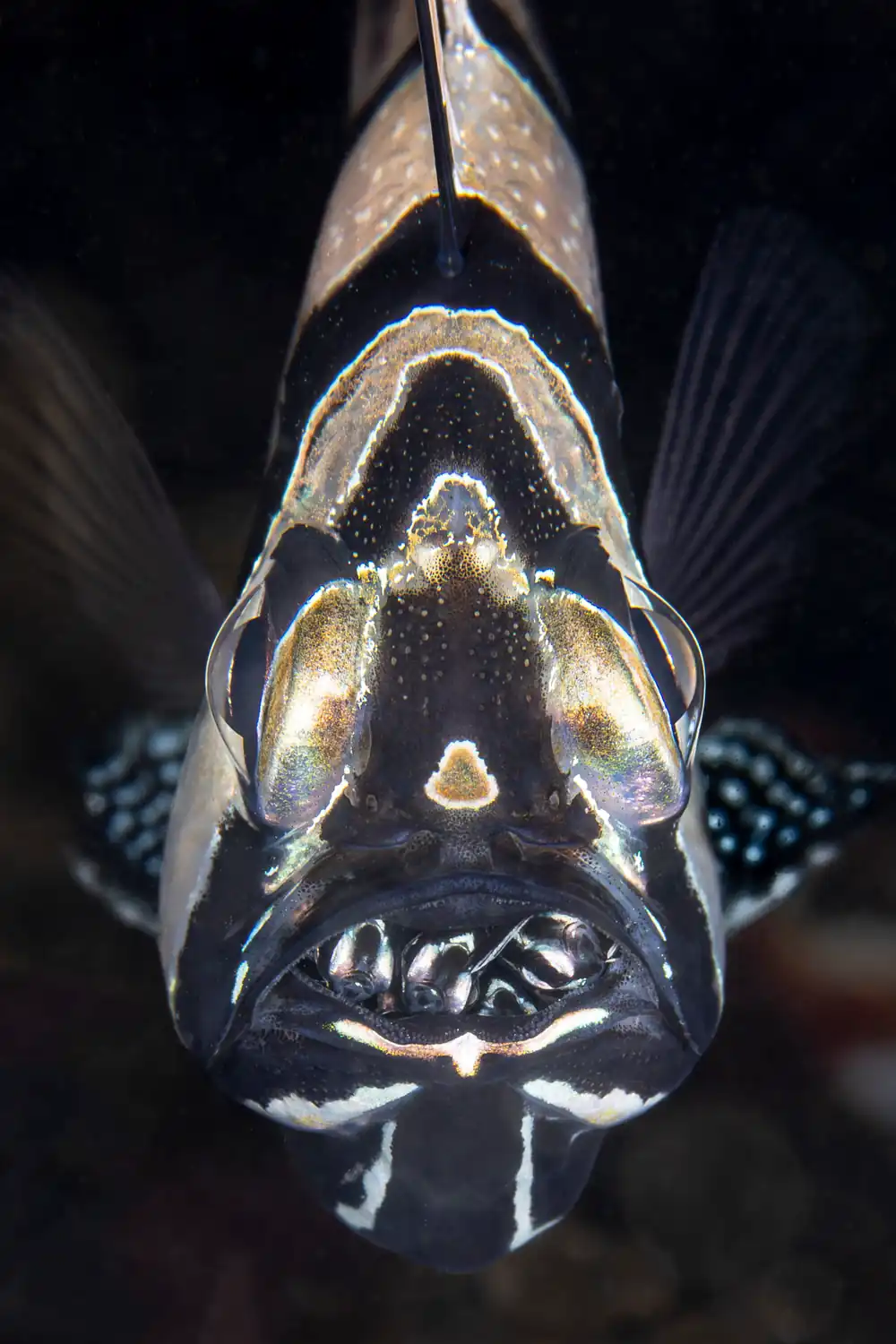
When you understand what you can see in a specific place, I think it makes things easier for you to have some success. You still depend on nature to collaborate, but I think it makes easier. So, for example, in Lembeh, something that I really went to see was the cardinal fish with the babies inside the mouth.
We were able to see that because we studied a lot and told our guide what we wanted to see, so he knew all the things we were interested in.
Do you ever just put your camera away and dive? Where are your favourite places to dive and photograph?
Sometimes, yes, because my favourite place to dive is Galápagos. You can see things in a really wild way, and you can see many sharks – I love sharks – and sea lions, marine iguanas, mola mola, everything. But, for me, safety is always the priority.
Sometimes in Galápagos, when I see that the current is really strong, I tell the boat captain not to give me my camera, I’m gonna just enjoy the dive. In other places, usually no, because when you don’t take your camera with you, you will see dolphins spinning around with whale sharks and mantas!
For photography it’s more difficult to choose a favourite because I think every place can offer you some really interesting things. For macro, I love to photograph in Lembeh, but I’m sad to see so much trash and pollution, although you also see life adapting to that environment.
Raja Ampat is mind-blowing, but I also love French Polynesia, Maldives, The Bahamas for sharks. But if I needed to choose two places, it would be Lembeh for macro and probably Raja for reef photography.

What advice would you give to people who want to become underwater photographers?
I think the first thing is to be a good diver. You need to master your equipment and your buoyancy. Safety always comes first and it will help you a lot.
Secondly, if you need to choose, then invest more in your skills and techniques than in equipment.
I mean, if you don’t need to choose then buy the best equipment and take lessons with the best teachers, but I’ve seen many amazing photographers doing crazy stuff with compact cameras, and even better photos than I could take in my whole life. Learn from different sources and study online with different people.
Read Alex Mustard’s books, Martin Broen, Alex Dawson – we have some good photographers here in Brazil also. Don’t try to copy anybody, but try to find yourself in the middle of it.
The most important thing, though, is to understand that underwater photography is not about you. It’s about the ocean. Respect the environment, try to take a photo with the least interference possible.
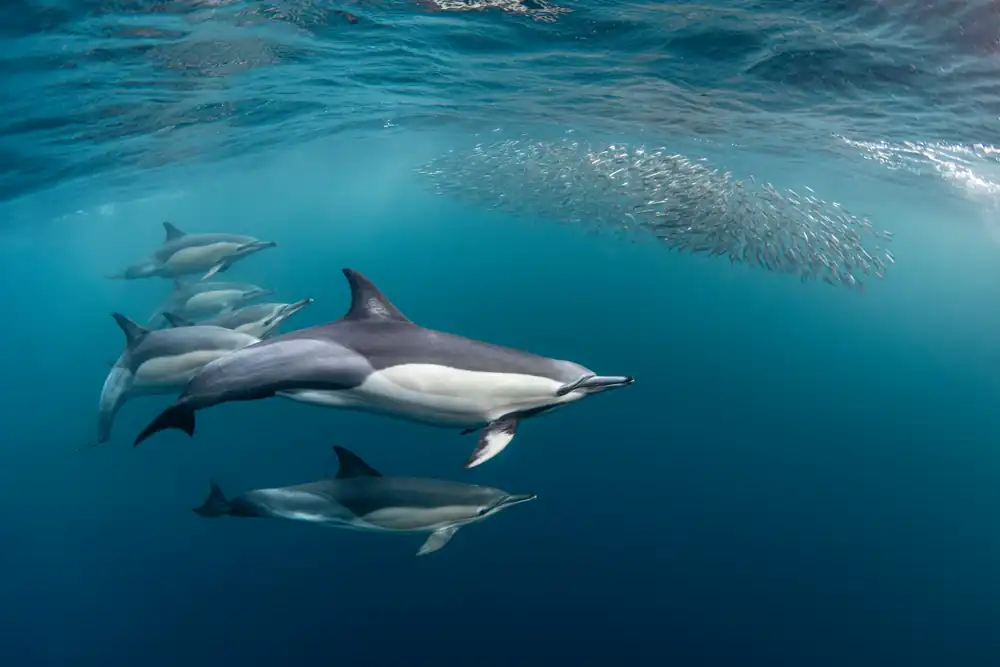
Don’t move a nudibranch to have the perfect photo. Respect what nature wants to bring to you, and if you master the techniques, you will be able to take the most advantage of what you have in that moment.
This is why I also really think it’s important to record behaviours and tell a story through the photography. Many people can’t see what the ocean can give us, so by recording behaviour instead of just the animal you connect people with that scene and that environment.
I think when you connect people with something, they will study it a little bit more and question what they are doing to help. This is my main goal with my photography, especially with sharks.
I’m a really strong advocate for sharks, so if I make one person change their mind related to sharks, I’m doing my work in a good way.
The post Shifting focus – an interview with Fabi Fregonesi appeared first on DIVE Magazine.
