
 Nöbetçi Eczaneler




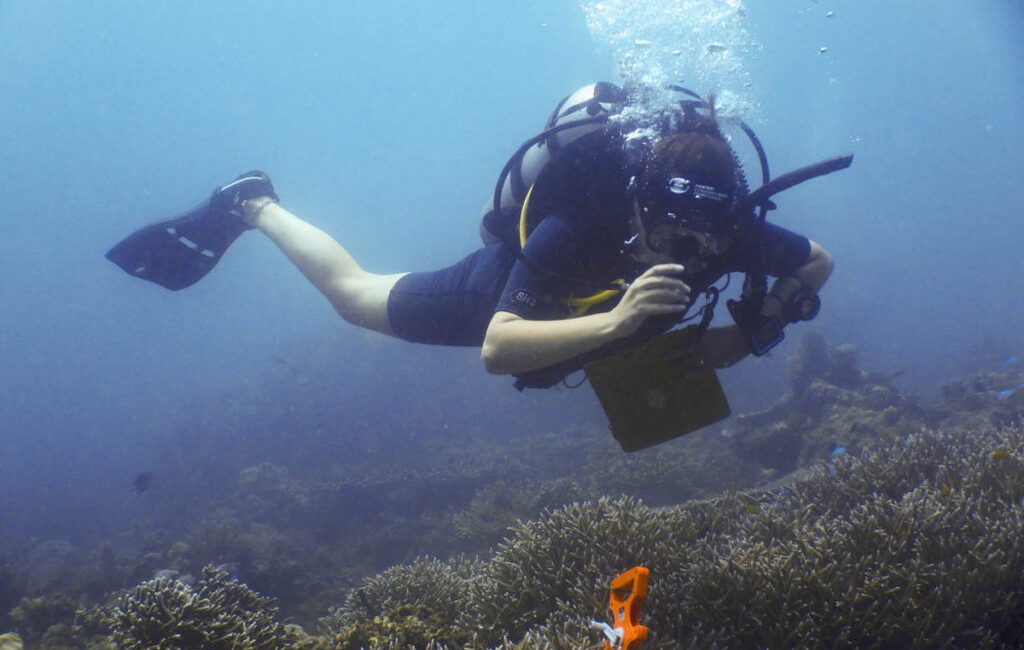
Ten years ago, The Scuba News reported from Coral Cay Conservation’s field base at Napantao in Southern Leyte, where volunteer divers were learning to identify reef species, conducting underwater surveys and contributing to conservation work alongside local communities.
That first-hand reporting came from Chantelle Wyatt, then a contributor to The Scuba News and now Editor of The Scuba News UK.
Coral Cay Conservation, commonly known as CCC, is no longer operating. But the scientific records produced during decades of volunteer-supported reef research have not disappeared with it.
Marine Conservation Philippines has now taken responsibility for the Coral Cay Conservation name and digital archive, giving thousands of pages of survey data, reports and research a permanent new home in the Philippines.
It is not a relaunch of CCC. Instead, the organisation’s history and scientific work are being preserved as a resource for former volunteers, researchers, students, conservationists and communities.
For The Scuba News, the development also provides an opportunity to revisit conservation work we first covered from Southern Leyte a decade ago.
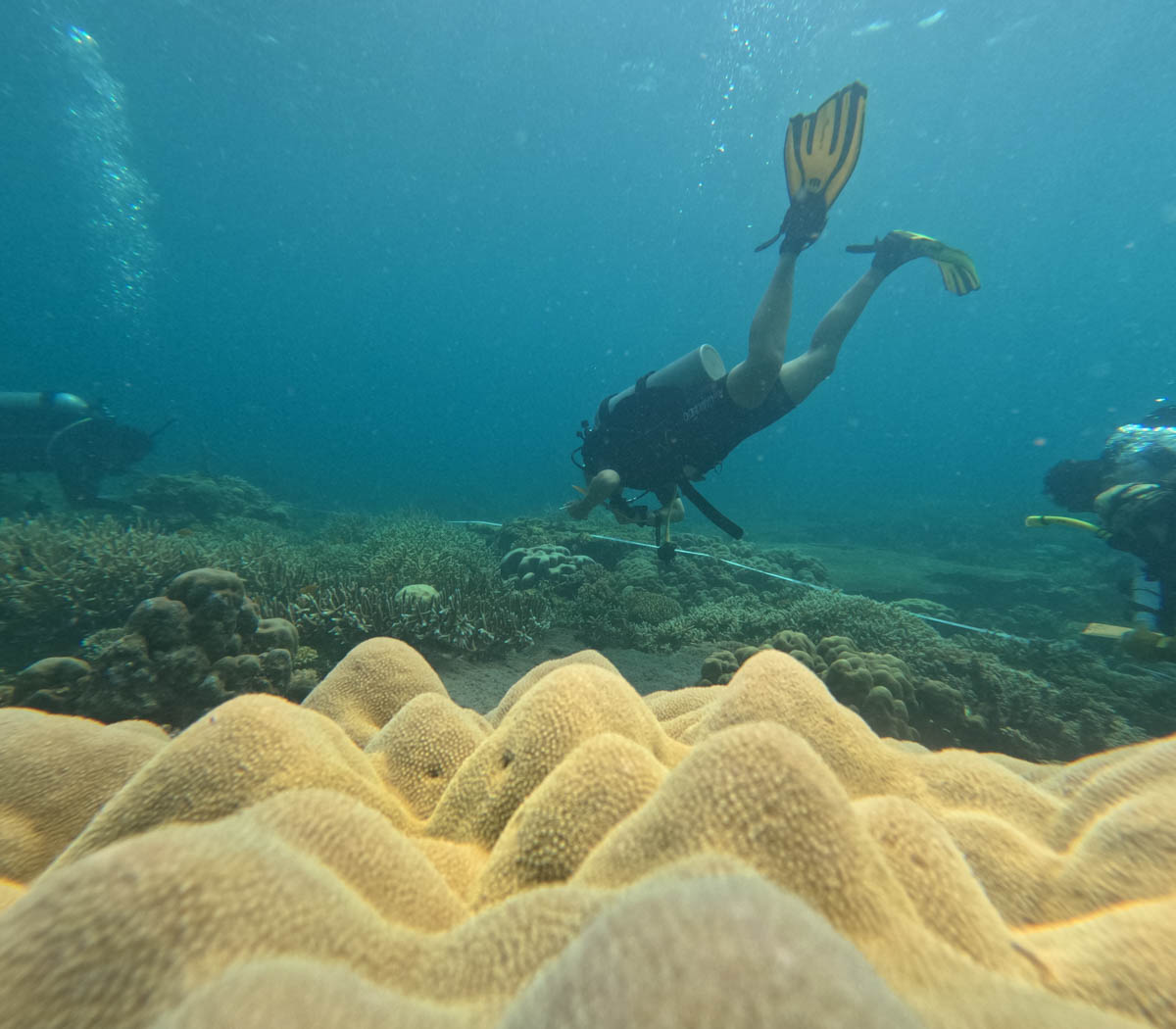
Photo credit: Marine Conservation Philippines
Looking Back at Coral Cay Conservation in Southern Leyte
Coral Cay Conservation was founded by Peter Raines in 1986 and developed an approach that trained volunteers, including people arriving without scientific backgrounds, to collect data that could contribute to professional conservation work.
What would now routinely be described as citizen science became central to CCC’s model.
Its Southern Leyte marine programme began in 2002, with Napantao becoming its base from 2008. According to Marine Conservation Philippines’ history of Coral Cay Conservation, CCC worked with communities around Sogod Bay and helped establish around ten community-managed marine protected areas.
During Wyatt’s 2016 visit to Napantao, she documented an operation combining diving with scientific training, reef surveys, conservation education and community involvement.
Volunteers learned to identify fish, invertebrates and benthic organisms before participating in underwater surveys. The programme also worked with Filipino scholars and local communities rather than functioning simply as an overseas volunteer diving operation.
Among those Wyatt spoke to was Dominic Revell, who had left consultancy work in London and saw CCC as a way of combining his enthusiasm for diving with meaningful marine protection.
Gareth Turner similarly highlighted the combination of research and community engagement, and the importance of CCC working alongside local government rather than arriving with conservation solutions imposed from outside.
A second report from the same visit illustrated the community element on a much smaller scale. During a beach clean near the CCC base, local children spontaneously began helping collect rubbish, reflecting the conservation education work taking place alongside the organisation’s underwater programmes.
A decade later, the organisation behind those projects has gone, but much of the information collected by its divers remains.
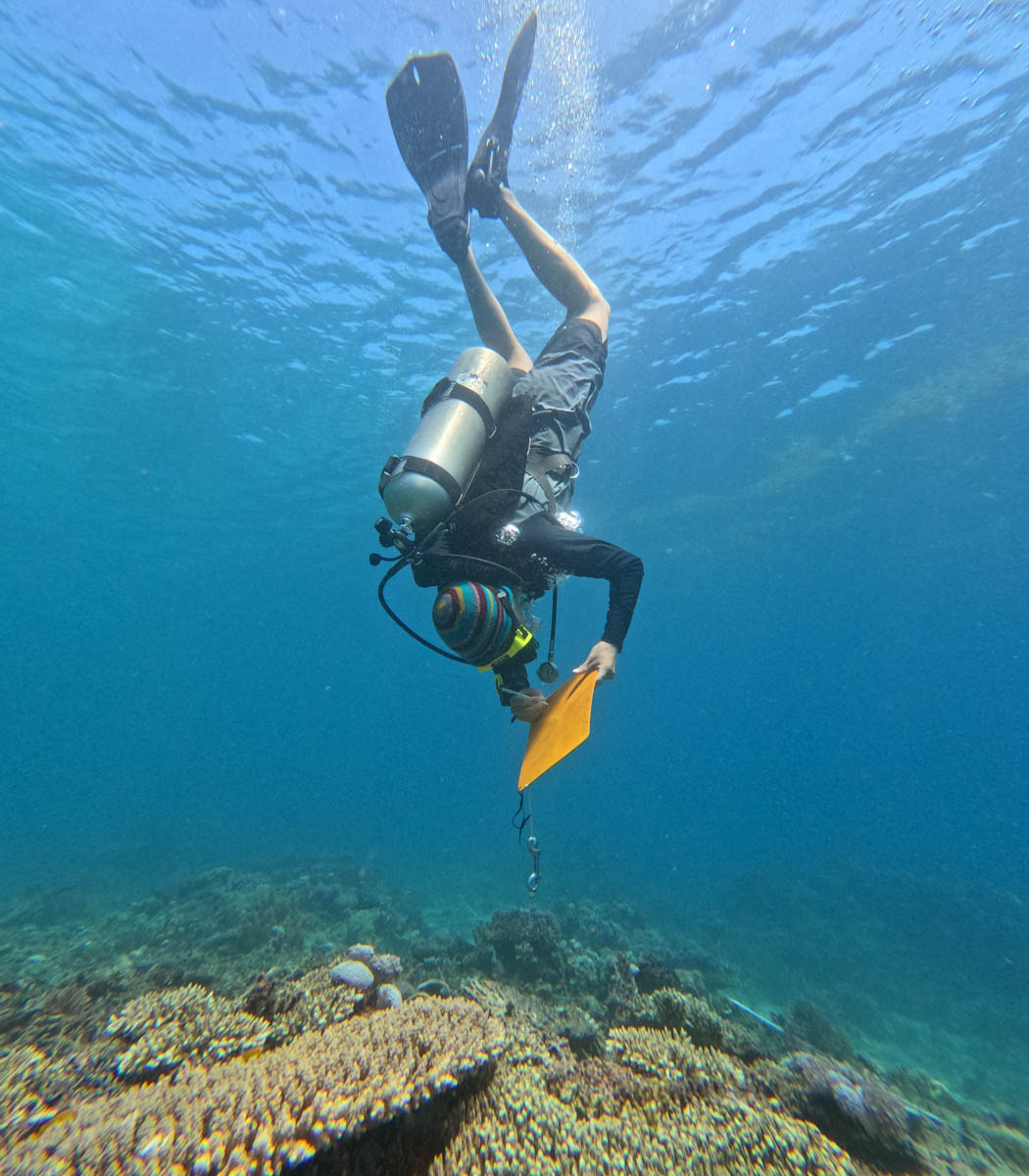
Photo credit: Marine Conservation Philippines
How Coral Cay Conservation Came to an End
By the late 2010s, CCC’s international projects had gradually reduced until Southern Leyte was its remaining operation.
International travel restrictions during the COVID-19 pandemic halted volunteer travel in 2020. An attempted restart followed, but CCC ultimately ceased operations in 2022.
What remained was an extensive collection of survey reports, scientific work, training material and other records generated during 36 years of conservation activity.
Marine Conservation Philippines, an NGO based in Zamboanguita, Negros Oriental, has now taken responsibility for preserving that legacy.
The organisation says it has acquired the CCC name and digital archive, as well as taking responsibility for its social media presence.
The new Coral Cay Conservation legacy site makes clear that this does not represent the return of CCC as an operating conservation organisation.
Instead, MCP describes it as a home for the organisation’s history and scientific records.
Why Old Reef Surveys Still Matter
For Marine Conservation Philippines Director Magnus Nielsen, preserving the archive is about much more than organisational history.
“Coral Cay pioneered the idea that volunteers, properly trained, can collect reef data good enough to guide real conservation decisions,” Nielsen told The Scuba News.
“That citizen science approach is what MCP is built on too, and we’re proud to carry it forward here in the Philippines. Over the years we’ve met a lot of former CCC volunteers, and we’ve even hired people who used to work there. There was always a kindred feeling between the two organisations, so when Alistair wanted to pass the torch, we didn’t need to think twice.”
That connection was recognised by Alistair Cole, who led Coral Cay Conservation during its later years.
In a statement published by MCP, Cole said he recognised in the organisation much of what had defined CCC, adding: “I could not wish for a better successor NGO in the Philippines to carry the torch forward.”
Perhaps more important than the name, however, is the data.
The Coral Cay Conservation scientific archive currently contains 58 reports comprising 2,366 pages of research, with material dating from 1997 to 2017.
Many relate directly to the Philippines and include reef surveys, marine protected area assessments, biodiversity studies and work undertaken with local communities.
Some were produced to help barangays and municipalities determine where marine protected areas should be established and assess whether existing protected areas were working.
“It would have been a tragedy to let all that work disappear,” Nielsen said.
“Behind those reports are thousands of volunteers, staff and local partners, and countless hours underwater, often on reefs nobody else was surveying. For some sites, CCC’s surveys may well be the earliest detailed record that exists.
“You can’t go back and survey a reef as it was in 2005, so once a website goes dark and a server is switched off, that knowledge is gone for good. Keeping it online and free costs us very little. Losing it would have cost everyone.”
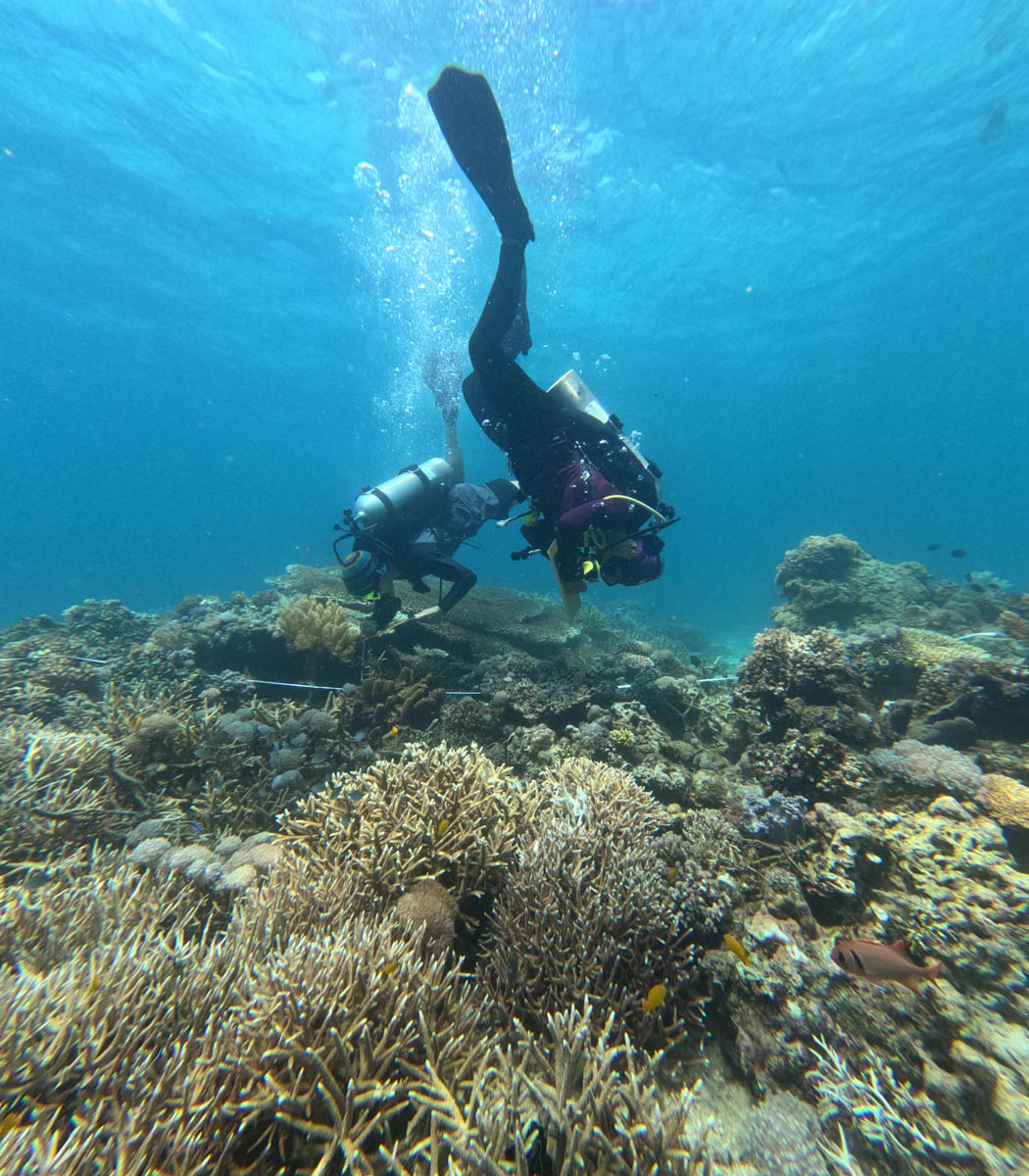
Photo credit: Marine Conservation Philippines
From Volunteer Dives to Long-Term Baseline Data
That ability to look backwards is one of the most valuable aspects of long-running marine survey programmes.
A reef survey conducted twenty years ago cannot describe conditions today, but it can provide evidence of what was present at the time. When methodologies and datasets allow meaningful comparisons, historical records can help researchers understand how marine environments have changed.
MCP says the archive will therefore remain freely available.
“For former volunteers, I hope it shows them that what they did mattered, and that the data they collected is still being read,” Nielsen told The Scuba News.
“It gives them a chance to get back in the water for the same reasons again too. For scientists, students and local governments, it’s a free baseline to measure today’s reefs against.
“The Philippines desperately needs marine conservation, and it needs it to rest on good evidence. Its reefs are among the richest on Earth, and they’re under real pressure from overfishing, coastal development and warming seas.”
The archive is also still being expanded as additional material is catalogued.
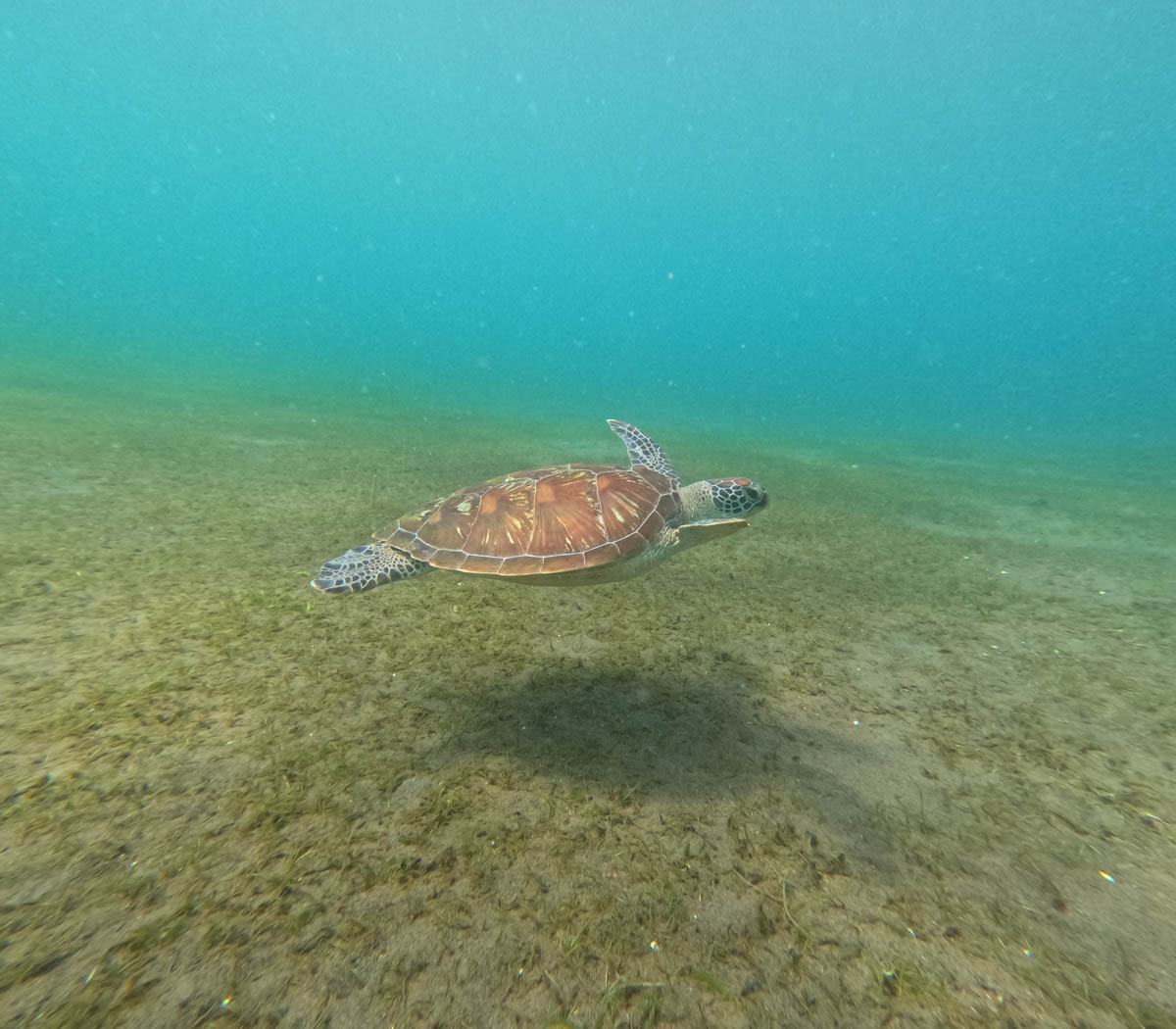
Photo credit: Marine Conservation Philippines
A Significant New Chapter for Panaon Island
There is another connection between CCC’s past and the present.
Napantao lies in the municipality of San Francisco on Panaon Island, one of four Southern Leyte municipalities included within the Panaon Island Protected Seascape.
The protection was formally established under Republic Act No. 12238, the Panaon Island Protected Seascape Act, approved on 29 August 2025.
The legislation places the waters surrounding Panaon Island within the Philippines’ National Integrated Protected Areas System and covers Liloan, San Francisco, Pintuyan and San Ricardo.
It means the waters associated with a significant chapter of CCC’s Philippine work now sit within a nationally recognised protected seascape.
That does not mean CCC alone created the protection. The establishment and management of protected areas involves local communities, local and national government, NGOs and numerous other stakeholders over many years.
But it provides important historical context for the surveys and community conservation work undertaken around Southern Leyte.
The Volunteers Are Part of the Archive Too
MCP is preserving more than scientific PDFs.
Former Coral Cay volunteers and staff have begun reconnecting through the organisation’s revived social channels, sharing photographs and memories from expeditions stretching back decades.
MCP is encouraging alumni to contribute to the historical record, including correcting or adding information to its developing history of CCC.
Former volunteers are also being offered a 10% discount if they want to participate in MCP’s present-day conservation diving programme.
The connection is deliberate.
MCP, founded in 2015, trains volunteers as scientific divers and conducts reef monitoring in Negros Oriental. Its work includes collecting data intended to support evidence-based marine conservation and the management of marine protected areas.
The organisation therefore sees clear similarities between its own approach and the model developed by CCC decades earlier.
Ten Years On
When The Scuba News reported from Napantao in 2016, the story was about what was happening there at that moment: volunteers learning to dive scientifically, recording what they saw underwater and working alongside communities trying to protect their marine environment.
There was no way of knowing then that CCC had only a few operational years remaining.
Nor could those divers necessarily have known whether somebody would still be interested in the information on their survey sheets decades later.
That is what makes preservation of the archive significant.
Conservation data can outlive the organisation that collected it.
The volunteers move on. Field bases close. Websites disappear. Even the organisations themselves sometimes cease to exist.
The reef, however, continues to change.
Keeping a record of what was there before gives future scientists, conservationists and communities something increasingly difficult to recreate: a view of the past against which the condition of the ocean today can be measured.
THE SCUBA NEWS Link !
DemirHindiSG
05 Ekim 2026-21:47
