
 Nöbetçi Eczaneler





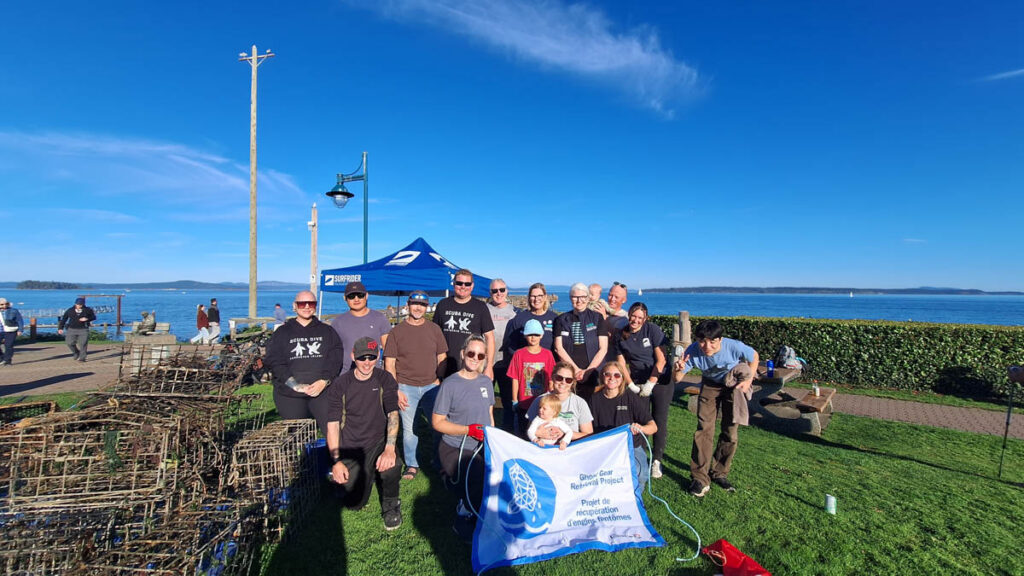
Volunteer divers have returned to the waters beneath Sidney’s Bevan Fishing Pier on Vancouver Island to tackle abandoned fishing equipment, highlighting the continuing threat posed by lost crab traps, fishing lines and other marine debris.
The organised underwater cleanup took place on 4 October 2026, bringing together Surfrider Foundation Canada, Emerald Sea Protection Society, the Shaw Centre for the Salish Sea and Be Sea Adventures.
The operation focused on submerged debris beneath the popular waterfront landmark, where abandoned fishing equipment can accumulate around the pier’s supporting structures.
A Community Effort Beneath the Pier
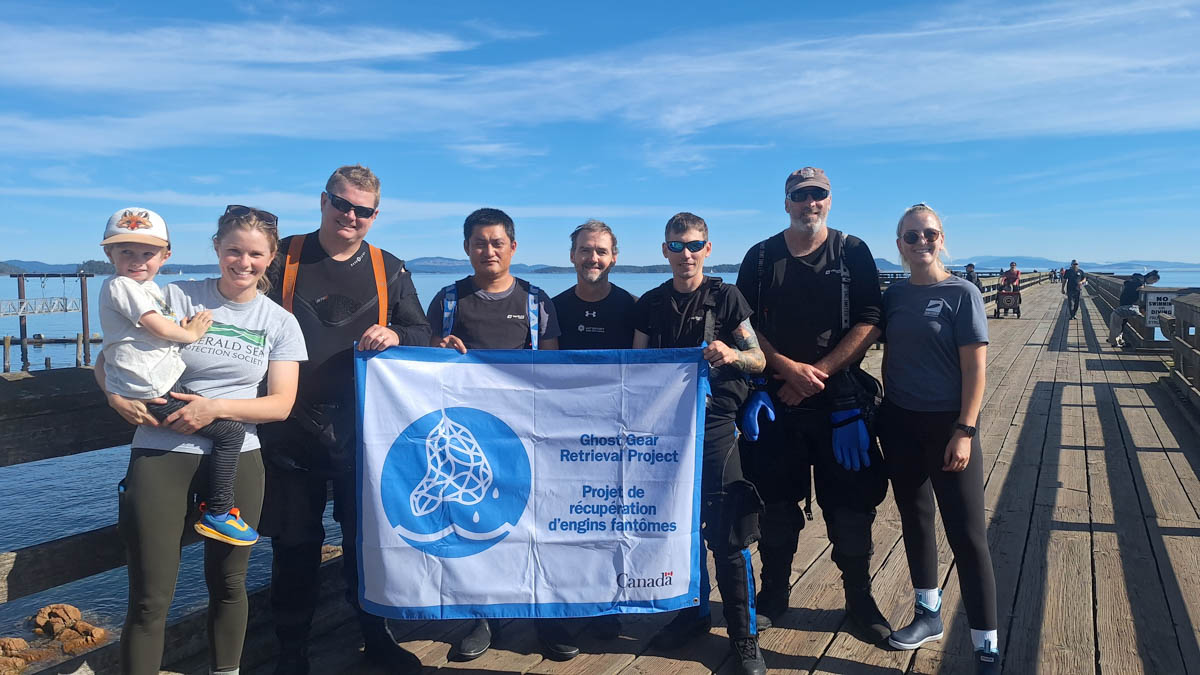
The cleanup brought together experienced divers and local marine conservation organisations, combining underwater recovery work with public awareness of the damage caused by abandoned fishing equipment.
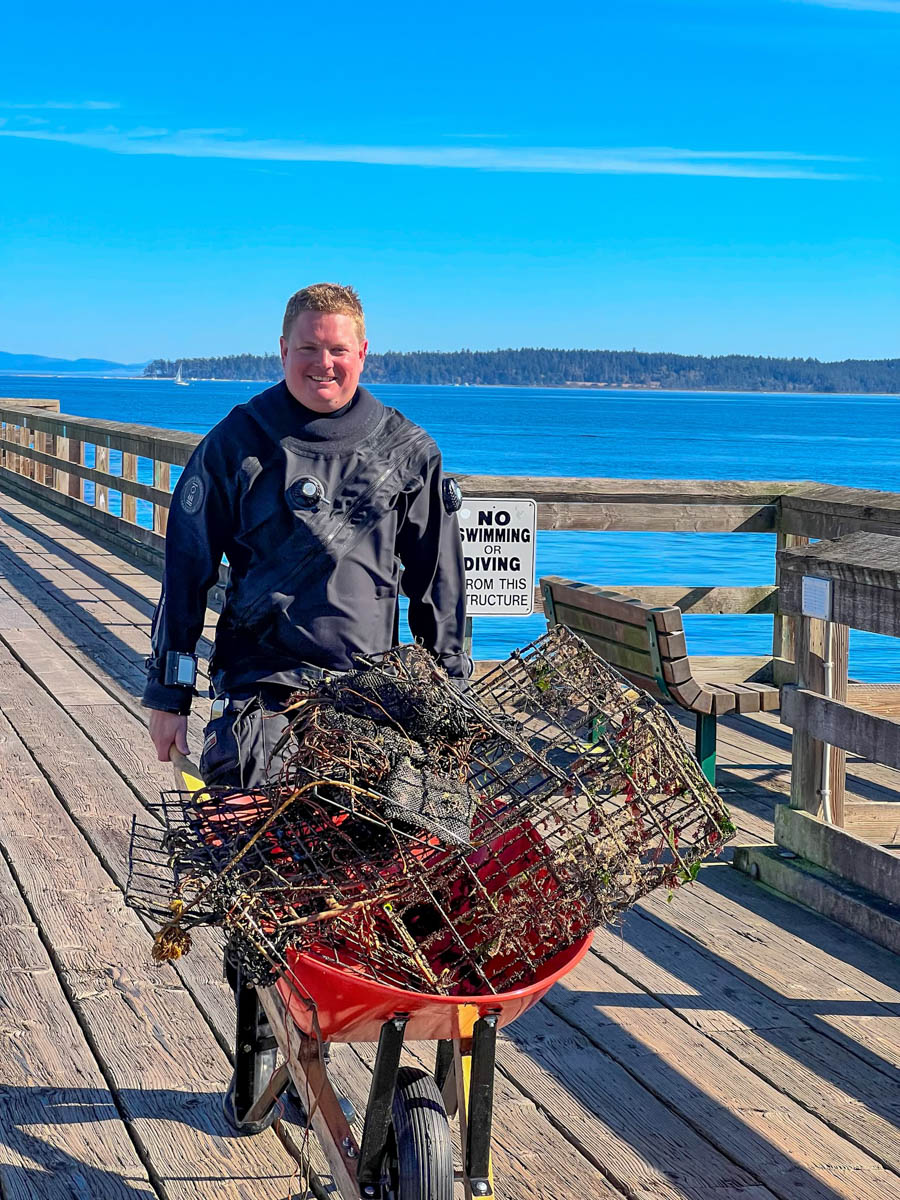
According to Surfrider Foundation Canada’s event announcement, the operation was organised to recover submerged debris including crab traps and shopping carts.
Members of the public were invited to observe recovered materials on the dock, while representatives from the Shaw Centre for the Salish Sea helped remove marine life from debris brought to the surface.
Local divemaster Ryan Swan has previously drawn attention to the problem beneath Sidney Pier, organising an earlier volunteer cleanup after encountering abandoned crab traps and fishing equipment during a recreational dive.
His involvement has helped bring wider attention to the environmental challenges facing this familiar Vancouver Island diving location.
Why Ghost Gear Matters
Ghost gear is the term used for fishing equipment that has been lost, abandoned or discarded in the marine environment.
Unlike ordinary litter, fishing traps, nets and lines can continue catching or entangling marine animals long after their original owners have lost them.
Abandoned equipment can also damage underwater habitats and create hazards for divers and other water users.
The Global Ghost Gear Initiative works internationally with conservation organisations, fishing communities and governments to reduce the environmental damage caused by lost fishing equipment.
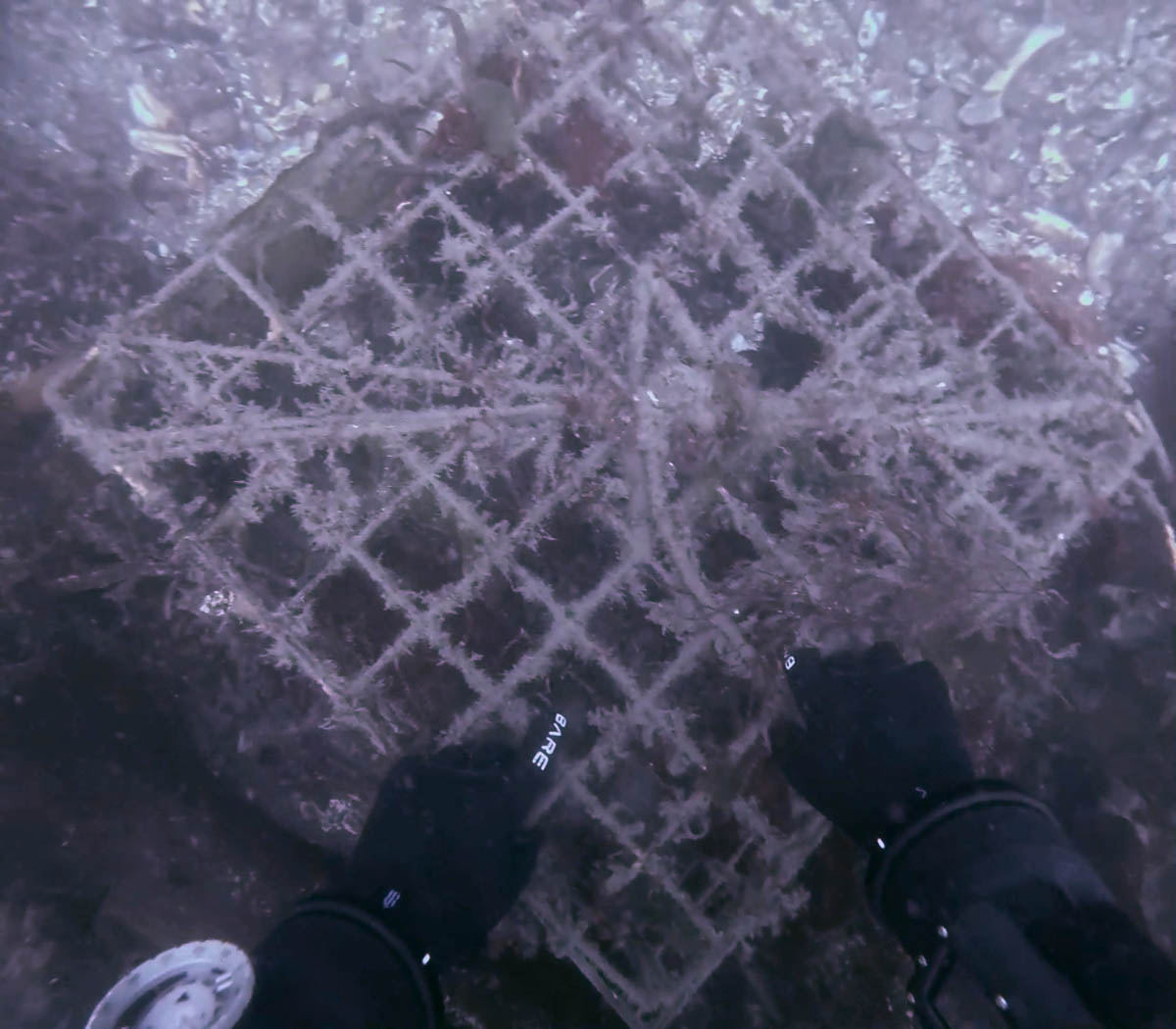
Recovery Requires Careful Planning
Although volunteer cleanups can make a valuable contribution to marine conservation, retrieving abandoned fishing gear requires appropriate experience, safety planning and regulatory authorisation.
Fisheries and Oceans Canada has previously emphasised that underwater gear retrieval is a regulated activity and that abandoned equipment should be reported rather than recovered without the necessary permission.
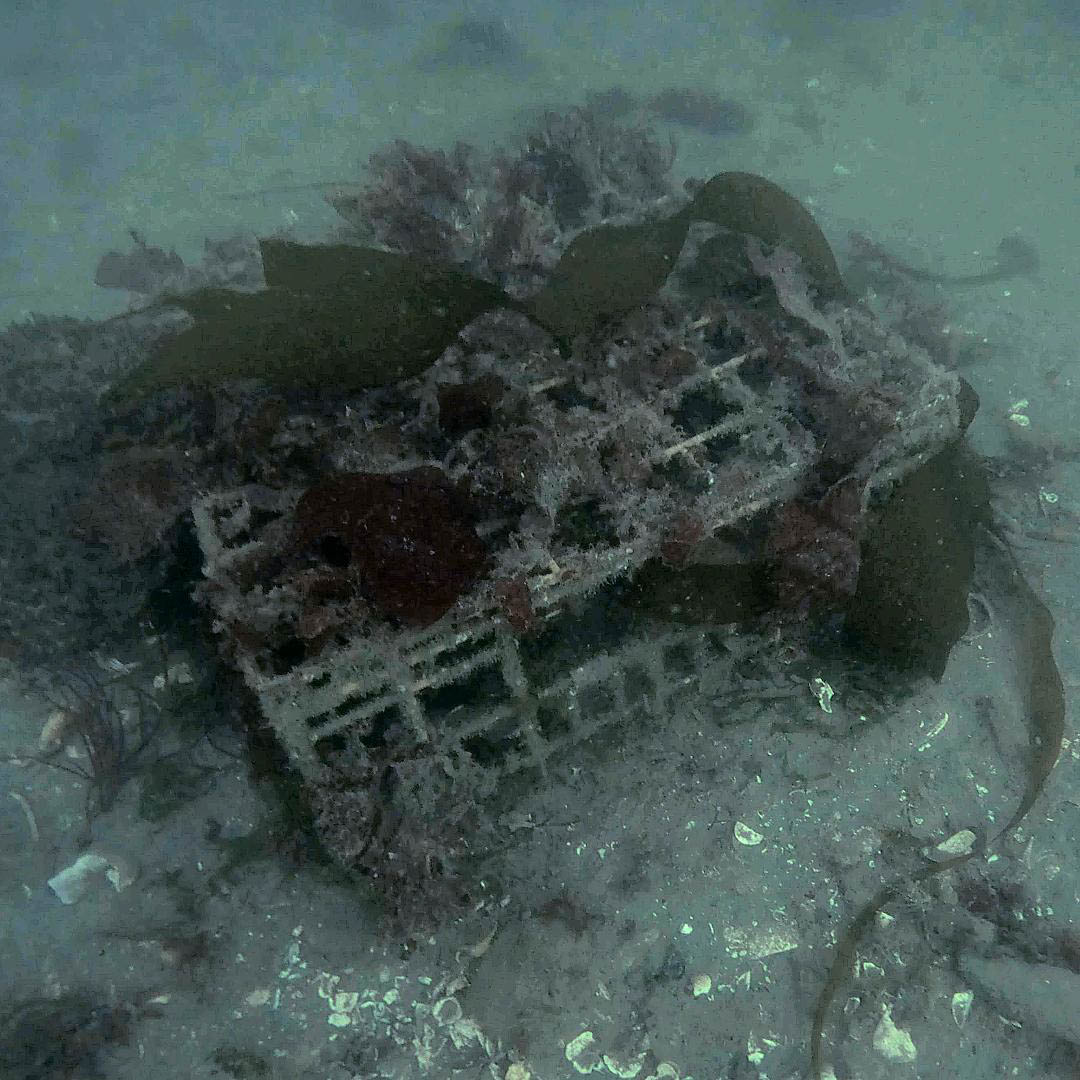
The Sidney Pier project demonstrates the importance of collaboration between divers, conservation groups and local communities in addressing marine debris.
It also highlights a broader challenge for Canada’s coastal waters: preventing lost equipment from accumulating in the first place.
For the diving community, the work beneath Sidney Pier is a reminder that familiar local dive sites can play an important role in marine conservation, particularly when underwater knowledge is combined with organised environmental action.
THE SCUBA NEWS Link !
DemirHindiSG
14 Ekim 2026-17:32
