
 Nöbetçi Eczaneler





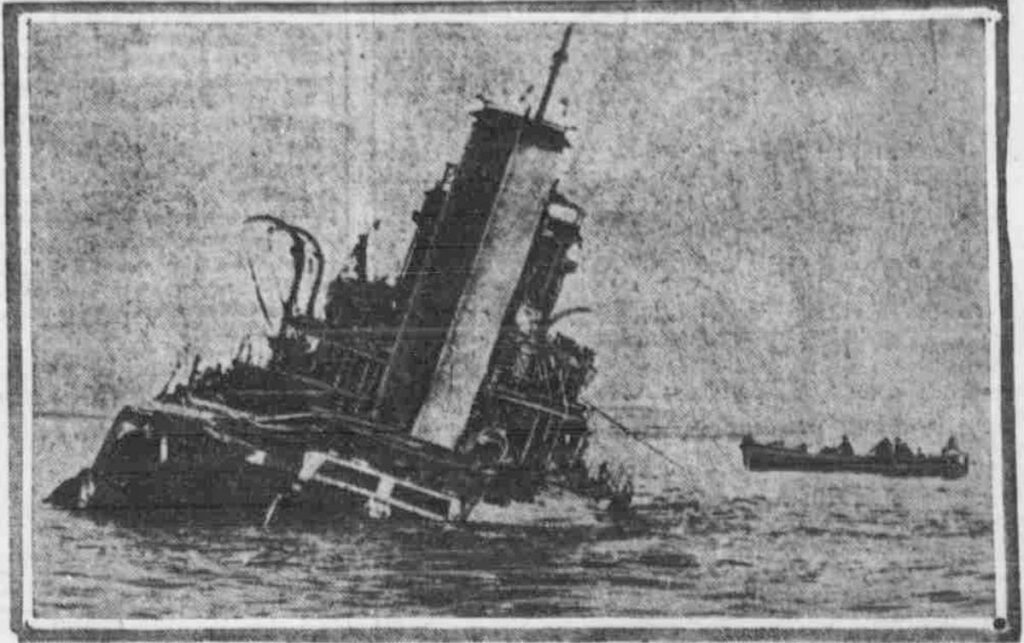
More than a century after warships sank during the Gallipoli campaign, another battle is taking place beneath the waters of the Dardanelles.
This time, the enemy is corrosion.
Türkiye has begun applying cathodic protection technology to historic shipwrecks around the Gallipoli Peninsula as part of the Deep Heritage Project, an initiative designed to slow the deterioration of vessels that have spent more than 100 years underwater.
The programme brings together the Çanakkale Battles Gallipoli Historical Site Directorate and the 1915 Çanakkale Bridge and Motorway organisation, combining physical conservation with bathymetric mapping, 3D scanning and digital modelling.
The first wreck to receive the new protection system is HMS Louis, a British Royal Navy destroyer that lies in relatively shallow water at Suvla Bay.
Protecting a Wreck Without Removing It
Cathodic protection is already widely used to protect steel structures in marine environments. Its application to historic shipwrecks offers conservation teams a way of intervening while leaving the archaeological remains underwater.
Steel corrodes through an electrochemical process. In a sacrificial-anode cathodic protection system, a more reactive metal such as zinc is connected to the iron or steel structure. The sacrificial metal corrodes preferentially, reducing the corrosion taking place on the historic structure itself.
Under the Gallipoli project, zinc anodes are being positioned in association with the wrecks rather than coating or rebuilding the surviving structures.
The underlying technique has precedent in underwater archaeology. Research into the conservation of the Australian First World War submarine HMAS AE2, which lies in the Sea of Marmara, demonstrated how zinc anodes could provide cathodic protection to a historic iron wreck left in situ.
For Gallipoli, however, the long-term performance of the system will need to be monitored. Applying cathodic protection to century-old structures already affected by extensive corrosion is not the same as protecting a newly built marine structure.
The project therefore represents both conservation work and an opportunity to learn more about preserving historic metal wrecks in their original underwater environments.
HMS Louis Becomes the First Test
HMS Louis is the first wreck selected for protection under the programme.
The Laforey-class destroyer was launched in 1913 and served during the Gallipoli campaign. After being damaged in a collision with a tug on 30 October 1915, the vessel drifted and grounded at Suvla Bay.
Today the wreck lies at around 13 metres, making it one of the more accessible historic wreck dives in the area.
According to the Gallipoli Historic Underwater Park’s wreck information, HMS Louis was originally approximately 82 metres long. Around 45 metres of the vessel remains visible above the sand, including four Yarrow boilers, while other sections are buried.
The Deep Heritage Project has installed its first cathodic protection system at the site, with the wreck becoming the initial proving ground for a programme that could ultimately be extended to other vessels.
An Underwater Battlefield
Gallipoli is unusual because the wrecks are not isolated historical objects.
They form part of a much larger battlefield landscape.
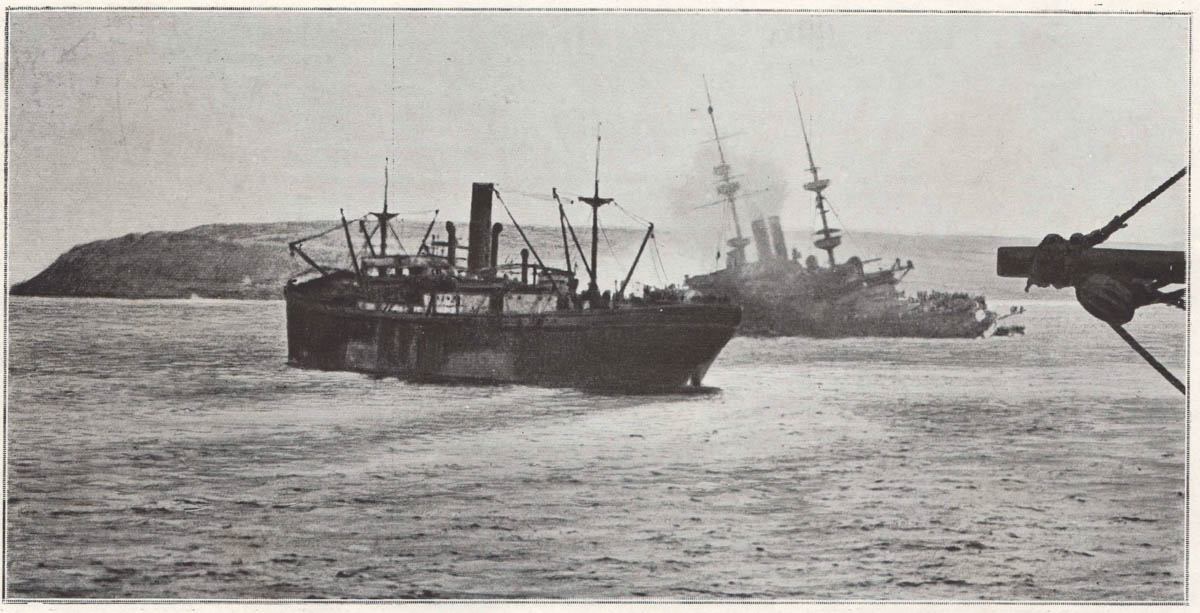
The Dardanelles became one of the defining theatres of the First World War during the Allied attempt to force passage through the strait in 1915. Warships, submarines, transports, barges and support vessels were lost throughout the campaign.
Many remain where they sank.
The Gallipoli Historic Underwater Park was created to allow controlled diving among this underwater heritage. Türkiye’s Ministry of Culture and Tourism says the park includes wrecks such as HMS Triumph, HMS Majestic, Bouvet, HMS Irresistible, HMS Louis, SS Carthage and HMS Hythe.
The number of accessible sites has expanded as surveying and conservation work has progressed.
The Ministry of Culture and Tourism currently describes 21 diving locations within the underwater park, including 19 war wrecks and two reef sites, at depths ranging from around three metres to more than 80 metres.
Separate project material from the Gallipoli Historic Site Directorate has outlined a broader network of 29 locations being opened or developed for diving, consisting of 27 wrecks and two reef sites.
Wrecks That Cannot Last Forever
Opening historic wrecks to divers creates an unusual conservation challenge.
The vessels are archaeological sites, war heritage, dive attractions and marine habitats simultaneously.
Removing major wrecks from the seabed would fundamentally alter that environment and, in many cases, would be technically or financially unrealistic. Leaving them untouched, however, does not mean leaving them unchanged.
Salt water, oxygen, temperature, biological activity and electrochemical processes continue working on exposed metal every day.
Some wrecks that appear substantial to divers today will not remain that way indefinitely.
The Deep Heritage Project is therefore taking a layered approach. Alongside cathodic protection, researchers are using bathymetric surveys, three-dimensional scanning and digital modelling to document the sites.
That means preservation is not limited to keeping steel intact.
Detailed digital records can capture the condition and geometry of wrecks as they exist now, allowing researchers to monitor changes and preserving information about structures even as the physical remains continue to age.
Conservation and Diving Meet Underwater
For divers, the project raises a broader question about the future of historic wreck diving.
Many of the world’s most important metal wrecks are gradually deteriorating. Some have already undergone dramatic structural collapse within the lifetimes of divers who regularly visit them.
Gallipoli offers a particularly concentrated example of the problem because so many historically connected wrecks survive within the same region.
Cathodic protection will not turn them into permanent underwater monuments. The effectiveness of any system depends on the condition of the structure, the marine environment, the design and placement of the anodes and continued monitoring.
But the work around HMS Louis could provide valuable evidence about how active conservation can extend the life of historic wrecks while keeping them on the seabed and accessible to divers.
More than 100 years after the ships of the Gallipoli campaign disappeared beneath the water, their preservation has become a new chapter in the history of the battlefield.
For the divers who visit them, the significance is difficult to miss.
These wrecks may feel permanent.
They are not.
THE SCUBA NEWS Link !
DemirHindiSG
05 Ekim 2026-21:47

