
 Nöbetçi Eczaneler



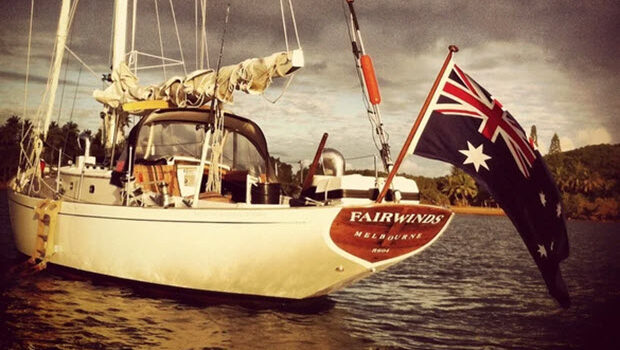
Naming a boat is one of those rituals that is part nautical tradition, part superstition, and part basic practicality. Get it wrong, and there is that nagging fear that the sea will notice. Get it right, and you might just earn a little goodwill from whatever the forces are, that decide our happiness at sea.
Either way, we spend a surprising amount of time thinking and caring about what moniker we should attach to the collection of wood metal and fabric that we choose to float around in!
In English-speaking countries, boats have almost always been referred to as “she.” The reasons are varied — there’s the obvious and slightly cringeworthy explanation of curvaceous shapes and expensive maintenance. But it’s more complex than that. The Latin root navis, which is feminine, suggests the gender simply traveled with the word.
What is less often acknowledged is that other languages see things quite differently. In French, the main word for a large ship — le bateau — is masculine, and French sailors have always referred to their vessels as “he.” The same goes for le navire, le voilier, le chalutier. Virtually every common French word for a boat is masculine, and the language reflects that without any ambiguity. – Full report
SCUTTLEBUTT News Link !
DemirHindiSG 26 Haziran 2026-23:29
