
 Nöbetçi Eczaneler



More than 16 years after the Deepwater Horizon disaster became the largest marine oil spill in U.S. history, scientists say some of the Gulf of Mexico’s deep-sea coral communities are still showing the effects of the environmental catastrophe while one of the world’s most ambitious coral restoration programmes continues beneath the surface.
A recent update from the Woods Hole Oceanographic Institution (WHOI) highlights the ongoing work to restore deep-water coral habitats damaged by the 2010 BP oil spill, building on more than a decade of scientific research documenting the disaster’s long-term impact.
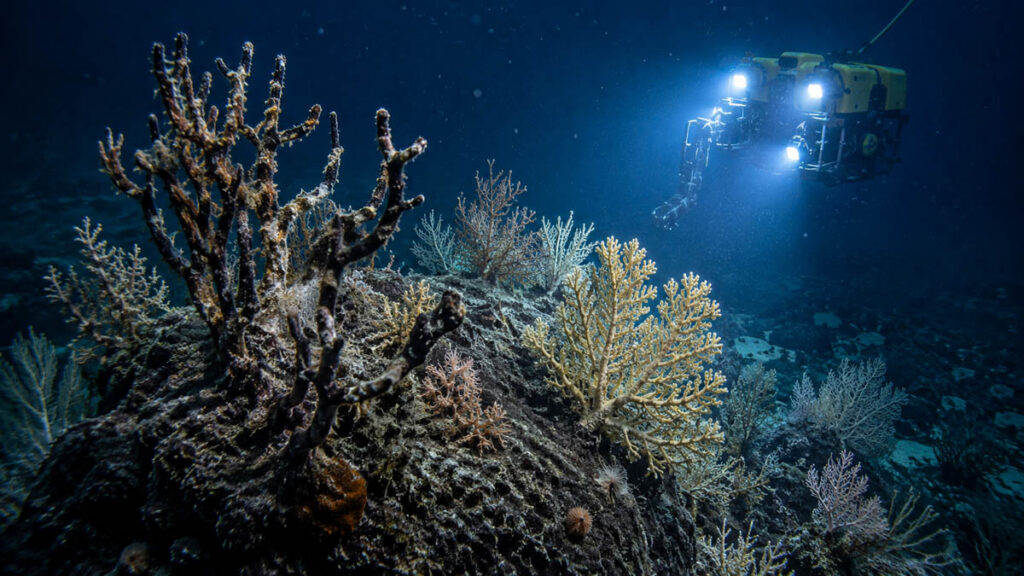
Unlike tropical coral reefs found in shallow water, many of the affected corals live hundreds of metres below the surface, where colonies can survive for centuries and grow only a few millimetres each year. Their slow growth makes recovery from major disturbances exceptionally difficult.
Lasting scars beneath the Gulf
When the Deepwater Horizon drilling rig exploded in April 2010, an estimated 134 million gallons (around 507 million litres) of crude oil entered the Gulf of Mexico before the damaged well was finally capped.
While images of oil-covered seabirds and beaches became symbolic of the disaster, researchers soon discovered that the spill had also reached previously unknown deep-water coral communities.
Using remotely operated vehicles, scientists found coral colonies coated with oil-rich marine snow and chemical residues. Many colonies exhibited tissue loss, broken branches and other signs of severe stress.
Subsequent peer-reviewed studies mapped the footprint of the damage and demonstrated that the spill had affected far larger areas of the deep seabed than initially understood.
Recovery measured in decades
Unlike many shallow tropical corals that can recover relatively quickly under favourable conditions, deep-sea corals grow extremely slowly.
Some black corals and octocorals in the Gulf are believed to be several hundred years old, meaning damage sustained in 2010 may remain visible for generations.
Long-term monitoring has shown that while some colonies have stabilised, many continue to display reduced health years after the spill, highlighting the extraordinary timescales required for deep-ocean ecosystem recovery.
Scientists also warn that additional damaged coral communities may still remain undiscovered across the Gulf.
Restoring the deep ocean
In response, U.S. agencies and research institutions have launched one of the largest deep-sea coral restoration programmes ever attempted.
The initiative combines remotely operated vehicles, laboratory propagation techniques and carefully planned transplantation of coral fragments to damaged sites.
Researchers have successfully spawned several deep-water coral species in captivity—an important milestone that could eventually support larger-scale restoration efforts.
The programme is funded through settlements reached following the Deepwater Horizon disaster and forms part of broader Gulf ecosystem restoration projects.
Why deep-sea corals matter
Although rarely seen by divers, deep-water corals provide essential habitat for fish, crustaceans and countless other marine organisms.
These underwater forests increase biodiversity, support commercially important fisheries and help scientists understand the health of deep marine ecosystems.
Their protection has become increasingly important as oceans face additional pressures from climate change, warming waters, offshore development and future pollution risks.
Looking ahead
Scientists caution that restoring deep-water coral habitats is measured in decades rather than years.
The continued monitoring of damaged reefs and advances in coral propagation are providing valuable lessons that may help improve responses to future environmental disasters.
More than a decade and a half after the BP oil spill, the Gulf’s deep-sea corals remain a powerful reminder that some environmental impacts continue long after the headlines have faded.
THE SCUBA NEWS Link !
DemirHindiSG
26 Haziran 2026-23:29
