 Nöbetçi Eczaneler







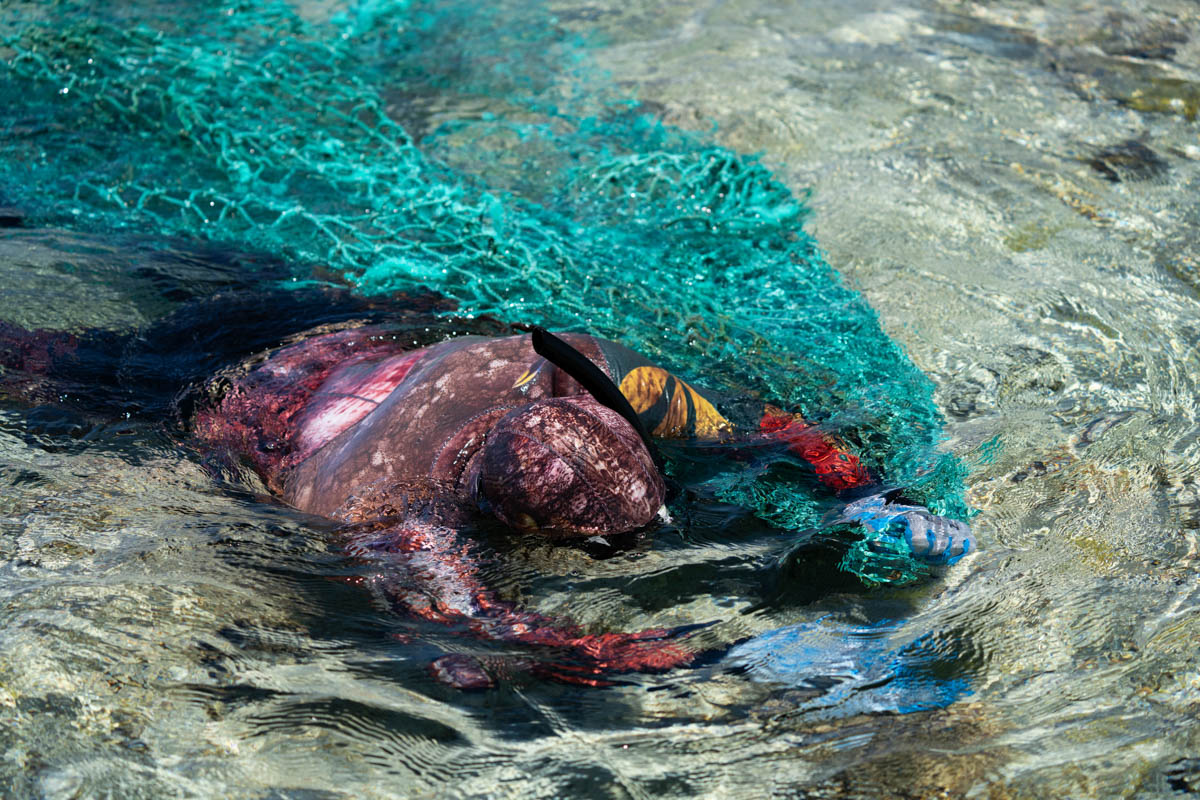
Far beyond Hawaii’s main islands, enormous masses of abandoned fishing nets drift across the Pacific before becoming entangled in some of the world’s most remote coral reefs. Here, tangled fishing gear can remain for years, damaging living coral and threatening endangered wildlife long after the original fishing vessels have disappeared over the horizon.
Removing these so-called ghost nets is difficult enough in accessible coastal waters. In the Northwestern Hawaiian Islands, hundreds of miles from conventional infrastructure, it requires specialist vessels, extraordinary logistical preparation and teams of highly trained divers.
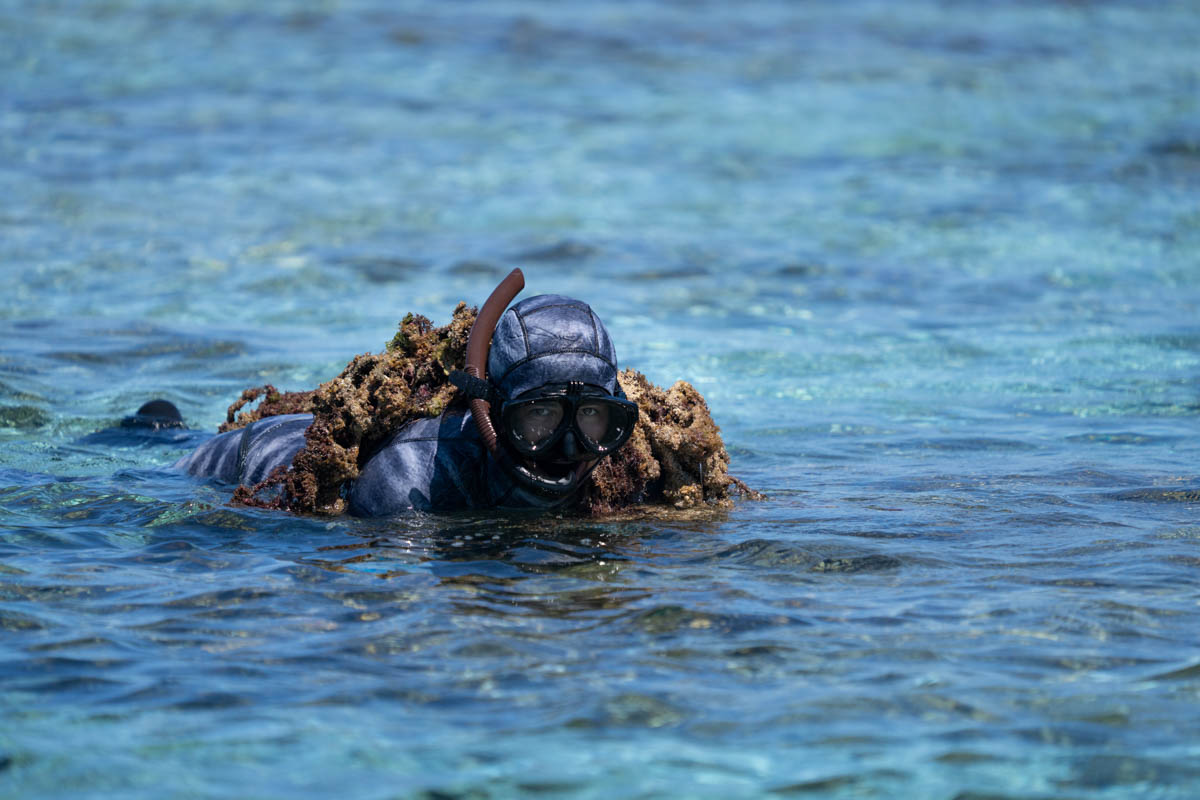
Yet one particularly remarkable aspect of the operation is that the divers do not use scuba equipment.
The Papahānaumokuākea Marine Debris Project (PMDP), a Hawaii-based nonprofit established in 2019, carries out its underwater net recovery operations entirely through freediving.
In an original interview with The Scuba News, Executive Director James Morioka explains how the organisation has recovered more than 1.3 million pounds of marine debris, why breath-hold diving is central to its work, and what it will take to protect these fragile ecosystems over the long term.
A Marine Debris Problem on an Enormous Scale
The Papahānaumokuākea National Marine Sanctuary and Marine National Monument encompasses the Northwestern Hawaiian Islands, an isolated chain of islands, atolls and reefs extending approximately 1,200 miles through the Hawaiian Archipelago.
These waters support critically important marine habitats, including coral reefs, seabird colonies, Hawaiian green sea turtles and endangered Hawaiian monk seals.
Unfortunately, their remoteness does not protect them from marine pollution.
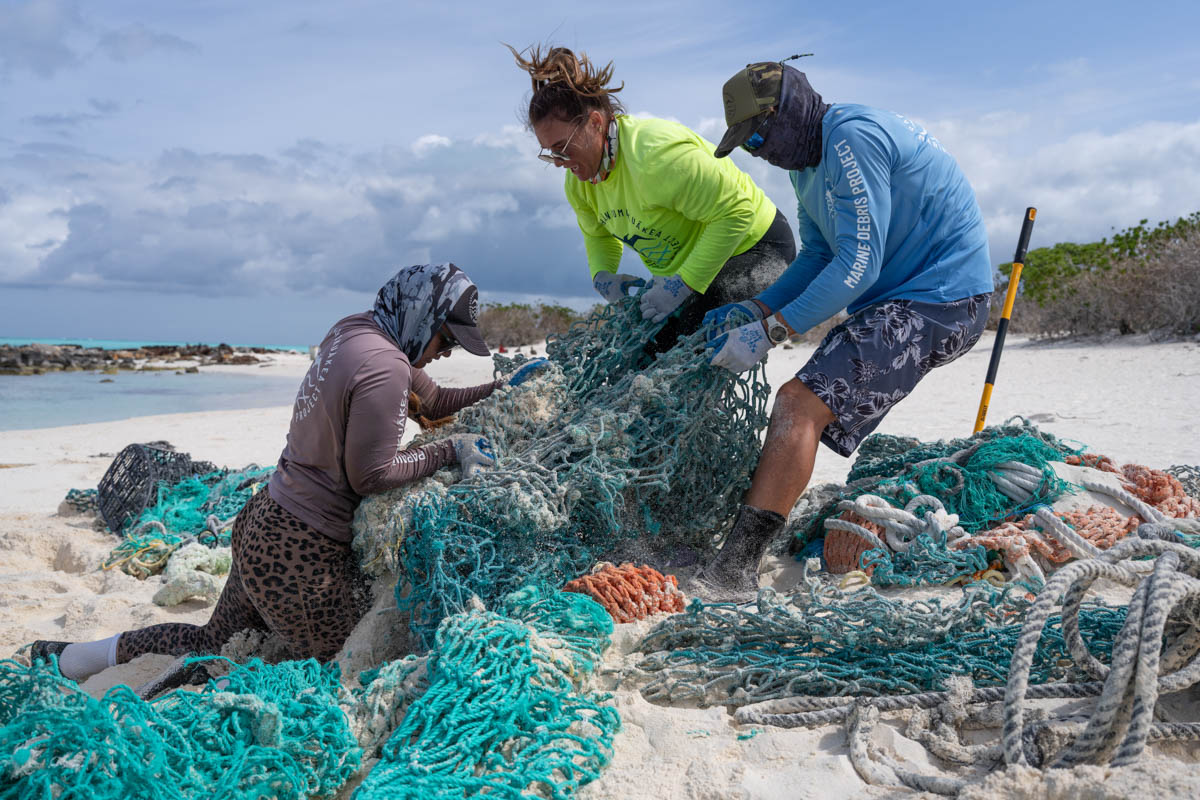
Fishing nets, ropes and other debris originating from commercial fishing activities across the North Pacific are carried into the region by ocean currents, accumulating on shallow reefs and shorelines.
Morioka and PMDP President Kevin O’Brien founded the organisation in 2019 after working together for years on marine debris removal programmes with NOAA Fisheries.
Despite decades of intervention, they recognised that the volume of abandoned fishing gear reaching these reefs was continuing to overwhelm cleanup efforts.
In 2022, PMDP launched its five-year Catch-Up & Keep-Up initiative, intended not only to remove accumulated debris but also to prevent new material from building up faster than it could be recovered.
According to Morioka, the organisation has now removed more than 1.3 million pounds of debris during 15 major expeditions, with approximately 80% consisting of abandoned fishing nets and associated gear.
The team has spent more than 360 days working in these remote environments.
But the challenge continues. PMDP estimates that approximately 200,000 pounds of marine debris accumulate in the region every year, including roughly 115,000 pounds of fishing nets on shallow coral reefs and a further 85,000 pounds along shorelines.
Why Freediving Instead of Scuba?
For readers accustomed to seeing technical scuba divers working on underwater recovery projects, PMDP’s approach may initially seem surprising.
However, the organisation’s primary operating environment consists of relatively shallow coral reefs, generally less than 30 feet deep.
Morioka explains that freediving provides considerable operational advantages in precisely these conditions.
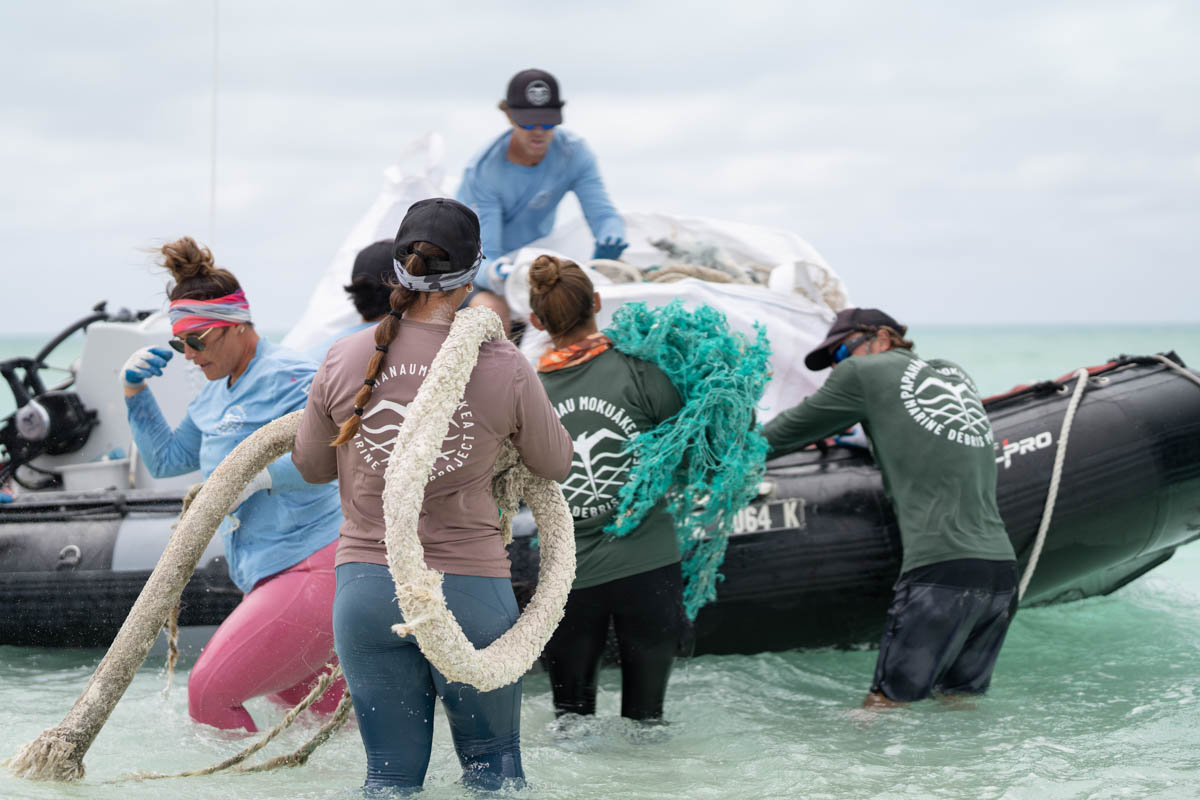
Without scuba cylinders, regulators or compressors, divers can move repeatedly between the surface and reef, collect tools, coordinate with colleagues and assess different sections of an entangled net.
During a single working day, teams may collectively perform hundreds of short dives while removing multiple large accumulations of fishing gear.
The absence of compressed-air infrastructure also simplifies the logistics of operating small inflatable workboats in remote locations where every piece of equipment must be transported aboard an expedition vessel.
PMDP restricts its underwater operations to a maximum depth of 30 feet. Every task must be completed within the individual diver’s comfortable breath-hold capacity, with divers returning frequently to the surface and rotating responsibilities to manage fatigue.
The organisation emphasises that its work is not competitive freediving. Dive duration and depth are secondary to completing short, controlled tasks safely.
Removing Ghost Nets Without Destroying the Reef
One of the greatest challenges is that the very process of removing abandoned fishing gear can cause further environmental damage if conducted incorrectly.
Large nets frequently become embedded in coral formations, sometimes after years or decades of movement across the reef.
Simply attaching a line and pulling the debris away could break living coral colonies and damage the habitat the operation is intended to protect.
PMDP begins with reconnaissance using visual observation, aerial imagery, drones and small boats. Divers then assess the size, position and condition of individual nets, particularly whether they are actively threatening wildlife.
Once the team has developed a recovery plan, freedivers systematically cut the fishing gear away from coral structures.
Large conglomerates may need to be divided into manageable sections before being lifted vertically away from the reef.
The debris is then transferred to specially equipped inflatable workboats, where personnel recover it manually or with lifting equipment.
The scale can be extraordinary.
Morioka reports that the heaviest single net recovered by his team weighed more than 23,000 pounds. Such conglomerates can contain multiple nets, ropes, floats, sand, coral rubble and accumulated biological growth.
PMDP is currently evaluating improved cutting tools, flotation and towing systems, mechanical lifting equipment and purpose-built shallow-draft recovery platforms to make these operations safer and more efficient.
Specialist Training for a Hazardous Environment
Working underwater while surrounded by entangling fishing gear presents significant risks, particularly when divers are operating on a single breath.
PMDP’s marine debris technicians come from backgrounds including marine biology, scientific diving, professional freediving, conservation and maritime operations.
Underwater personnel undergo formal freediving training, including Level 1 certification or equivalent preparation, medical screening and specialised instruction in debris removal procedures.
They also receive training in entanglement management, cutting-tool use, emergency response, first aid, CPR, oxygen administration and other relevant safety procedures.
Morioka stresses that good breath-hold ability alone does not make someone an effective marine debris technician.
The work demands awareness of coral structures, careful equipment handling, effective communication and the judgement to recognise when conditions have become unsafe.
Teams monitor fatigue, currents, visibility, swell and boat positioning throughout their operations.
Crucially, personnel are encouraged to identify hazards and stop work when necessary. In an environment where a hospital may be hundreds of miles away, preventing an emergency is especially important.
These are specialist operations conducted by trained personnel, not activities that recreational freedivers should attempt without appropriate training and operational support.
Expeditions at the Edge of the Pacific
The underwater recovery work is only one part of the challenge.
Reaching Papahānaumokuākea can require several days aboard a vessel from Honolulu, and every necessary item must be transported into the region.
Food, drinking water, fuel, inflatable boats, engines, communications equipment, lifting gear, tools and emergency supplies all need to be prepared before departure.
There are no convenient repair facilities or equipment suppliers when something goes wrong.
Expeditions also need enough capacity to transport recovered debris back to Honolulu. The more successful a cleanup becomes, the more space and payload capacity the team requires.
Weather adds another layer of uncertainty.
During one expedition in 2026, the team lost four operational days while sheltering from a hurricane.
Permitting, environmental compliance and coordination with protected-area management agencies are also essential considerations.
For personnel spending weeks aboard a vessel while undertaking demanding conservation work, adaptability and teamwork are as important as technical expertise.
What Happens to the Recovered Fishing Nets?
Once brought back to Honolulu, recovered debris must be offloaded, sorted, documented and directed towards suitable disposal or recovery facilities.
Unfortunately, recycling abandoned fishing gear is far from straightforward.
Many recovered nets have spent years or decades exposed to seawater and sunlight. They may contain several types of plastic, heavily degraded synthetic fibres, sand, algae and other biological material.
These characteristics make conventional recycling difficult and often commercially impractical.
PMDP has worked with research partners to explore alternatives.
Hawaiʻi Pacific University’s Center for Marine Debris Research investigates the origins, composition and degradation of recovered materials, alongside potential applications such as plastic lumber, 3D-printing filament and other manufactured products.
The organisation has also collaborated with The Ocean Cleanup to examine recovered fishing gear and improve understanding of marine debris sources.
Some material that cannot currently be recycled is directed to Honolulu’s H-POWER waste-to-energy facility, where suitable waste can be processed for energy recovery.
Morioka says developing more practical solutions for managing recovered debris is essential, particularly when transporting enormous quantities of material across the Pacific requires considerable resources.
Beyond disposal, the recovered fishing gear provides opportunities for scientific research, including identifying debris origins, studying plastic degradation and understanding how fishing gear accumulates in protected marine habitats.
Protecting Wildlife Before It Becomes Entangled
For Morioka, some of the most meaningful experiences have involved Hawaiian monk seals and sea turtles threatened by abandoned fishing equipment.
He has spent more than 500 days working in the Northwestern Hawaiian Islands since 2011, including earlier research involving Hawaiian monk seals.
Those experiences helped shape his understanding of the relationship between healthy marine habitats and the survival of vulnerable wildlife.
A single fishing net can break apart coral colonies, smother living reef structures or entangle animals that depend on these environments.
But although direct rescues are memorable, Morioka believes preventative work is equally important.
Removing a net before it traps a turtle or monk seal means preventing an incident that might otherwise never be recorded.
That principle is central to the organisation’s long-term objectives.
Rather than measuring success solely by the weight of fishing gear recovered, PMDP increasingly wants to understand how effectively its interventions prevent damage.
The Next Challenge: Keeping Up
The organisation’s success demonstrates that large-scale marine debris removal is possible, even in some of the world’s most isolated marine environments.
However, removing more than 1.3 million pounds of debris has not eliminated the continuous arrival of new fishing gear.
PMDP now faces the challenge of maintaining recovery capacity while improving efficiency, reducing costs and developing better removal technologies.
Potential innovations include aerial surveying, diver propulsion vehicles, specialist cutting equipment, mechanical lifting apparatus and dedicated shallow-draft vessels.
Reliable expedition funding and vessel access will also remain essential.
Ultimately, Morioka believes the solution cannot depend upon cleanup operations indefinitely.
Preventing fishing gear from entering the ocean in the first place will require stronger policies, improved enforcement, greater accountability and international cooperation.
For the wider diving community, he encourages participation in local marine debris initiatives, conservation volunteering, citizen science, fundraising and responsible ocean stewardship.
He also welcomes collaboration with people possessing relevant specialist skills, including freedivers, engineers, vessel operators, conservation professionals and researchers.
The ambition behind the organisation’s name perhaps best expresses its philosophy.
Morioka explains that PMDP deliberately chose the word Project rather than Program because a project should have an objective and, eventually, an end.
Its ultimate success would be a future in which the organisation’s extraordinary cleanup operations were no longer necessary.
Until then, the freedivers of Papahānaumokuākea will continue their demanding work, removing the fishing gear that threatens some of the Pacific’s most important marine habitats.
More information about the project and opportunities to support its conservation work can be found through the Papahānaumokuākea Marine Debris Project.
THE SCUBA NEWS Link !
DemirHindiSG
02 Kasım 2026-16:08
