
 Nöbetçi Eczaneler



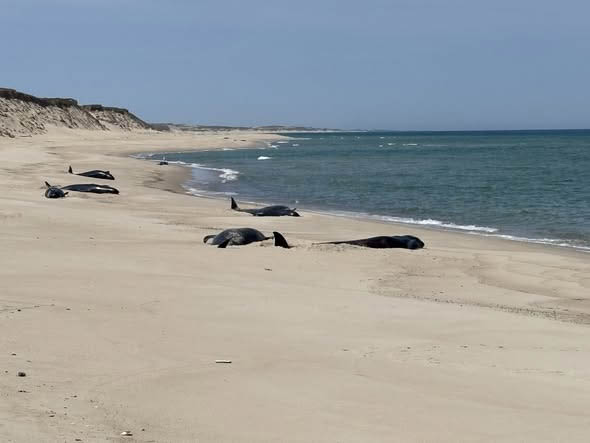
On June 10, the Marine Animal Response Society (MARS) was alerted by Parks Canada to a critical wildlife emergency: a mass stranding involving 16 pilot whales on the shores of the Sable Island National Park Reserve. Zoe Lucas from the Sable Island Institute came across the stranded pod and quickly alerted Parks Canada.
Positioned approximately 290 kilometers southeast of Halifax, this remote, crescent-shaped sandbar suddenly became the center of a massive, synchronized emergency operation. Beyond being a critical site for marine rescues, Sable Island is famous for its resilient population of wild horses and a treacherous history that includes over 300 shipwrecks dating back to the 1500s.
Because pilot whales are intensely social and travel in tight-knit family pods, a single disoriented or sick leader can inadvertently guide an entire group into dangerously shallow waters. Managing a crisis of this scale on such a remote island requires seamless teamwork between MARS and on-island Parks Canada staff, as they work against the clock to assess the pod, collect critical biological data, and navigate the immense logistical hurdles of the Atlantic coast.
Dealing with mass strandings is an incredibly complex challenge, and heartbreakingly, saving every animal is rarely possible. The extreme isolation of Sable Island, combined with its vast distance from the mainland and the immense size of pilot whales, makes physically moving 16 of these heavy marine mammals back into the Atlantic an nearly impossible feat.
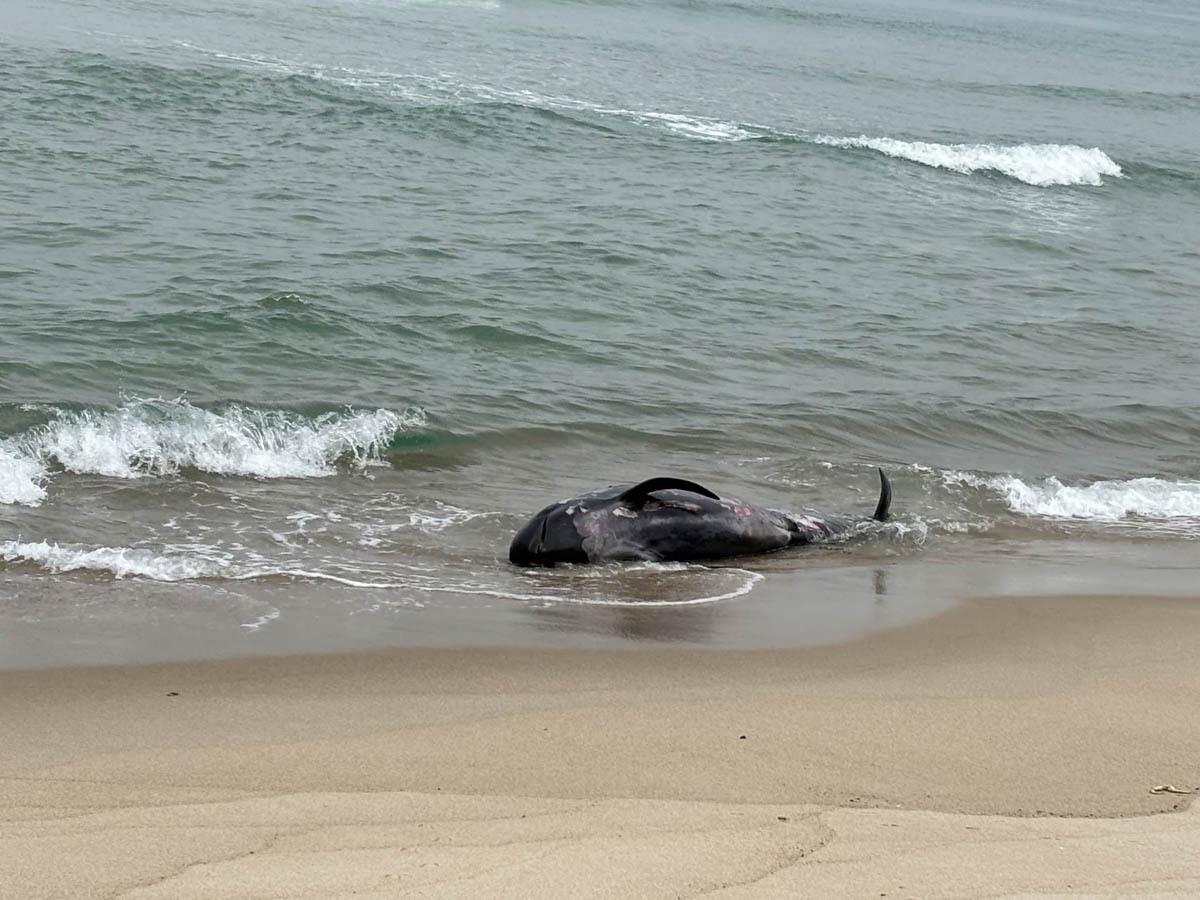
Responders rushed to the scene only to find that some of the whales had already lost their battle. Given the unforgiving conditions and the sheer remoteness of the beach, there was unfortunately no way for the team to safely intervene, and the remaining animals passed away soon after.
Despite the tragic loss, the incident yielded critical biological data. Parks Canada staff thoroughly documented the pod and gathered tissue samples for MARS. This collected material will play a vital role in ongoing research regarding marine mammal health and help scientists identify the underlying catalysts behind mass stranding events.
THE SCUBA NEWS Link !
DemirHindiSG
06 Temmuz 2026-12:57
