
 Nöbetçi Eczaneler



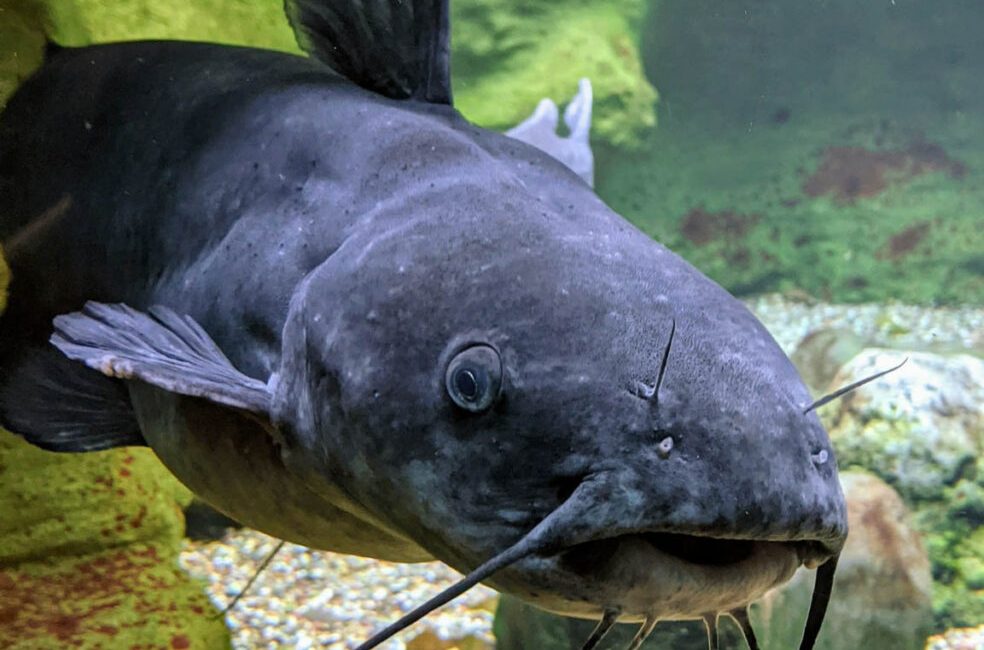
Sturgeon comprise nearly 30 distinct fish species within the Acipenseridae family. Often called “living fossils,” their direct lineages trace back to the Late Cretaceous epoch, while their ancestral precursors first appeared during the Early Jurassic period—roughly 174 to 201 million years ago.
Known for their long lifespans and delayed maturity, sturgeons possess a unique anatomy characterized by a shark-like, asymmetrical tail fin (heterocercal) and a sleek, torpedo-shaped body. Instead of traditional scales, their smooth skin is protected by five lengthwise rows of bony armor plates called scutes. While many species reach impressive lengths of 2 to 3.5 meters (7 to 12 feet), they can grow substantially larger. In fact, the largest documented specimen in history was a female Beluga caught in the Volga Delta in 1827, which reached a massive 7.2 meters (23 feet 7 inches) and weighed 1,571 kilograms (3,463 pounds).
The Lake Huron and St. Clair River system actually hosts one of the healthiest remaining populations of lake sturgeon in the entire Great Lakes basin. The St. Clair River has become a vital sanctuary for lake sturgeon, serving as a crucial “Sturgeon Highway” in the wake of historic overfishing and habitat destruction that wiped out an estimated 99% of the population across the rest of the Great Lakes. This waterway offers the ideal environment for the species, characterized by deep, fast-flowing, oxygen-rich currents and a clean gravel riverbed perfectly suited for protecting their sticky eggs. To further boost the population’s recovery, conservation groups have constructed massive artificial rock reefs within the river channel. These engineered structures replicate historical spawning grounds and provide a safe haven for the eggs, keeping them from being swept away by the current or consumed by invasive predators like the round goby.
The primary spawning grounds are located at the narrowest mouth of the river, directly beneath the Blue Water Bridge (connecting Port Huron, Michigan, and Sarnia, Ontario). That massive gap in lifespan between the sexes is one of the most fascinating aspects of their biology. Because female lake sturgeon dedicate an enormous amount of metabolic energy to producing hundreds of thousands of eggs, they don’t even spawn for the first time until they are around 20 to 25 years old, and then they only repeat the process every 3 to 7 years. Their century-long lifespan is a biological necessity to ensure they have enough reproductive opportunities over their lifetime to keep the population stable.
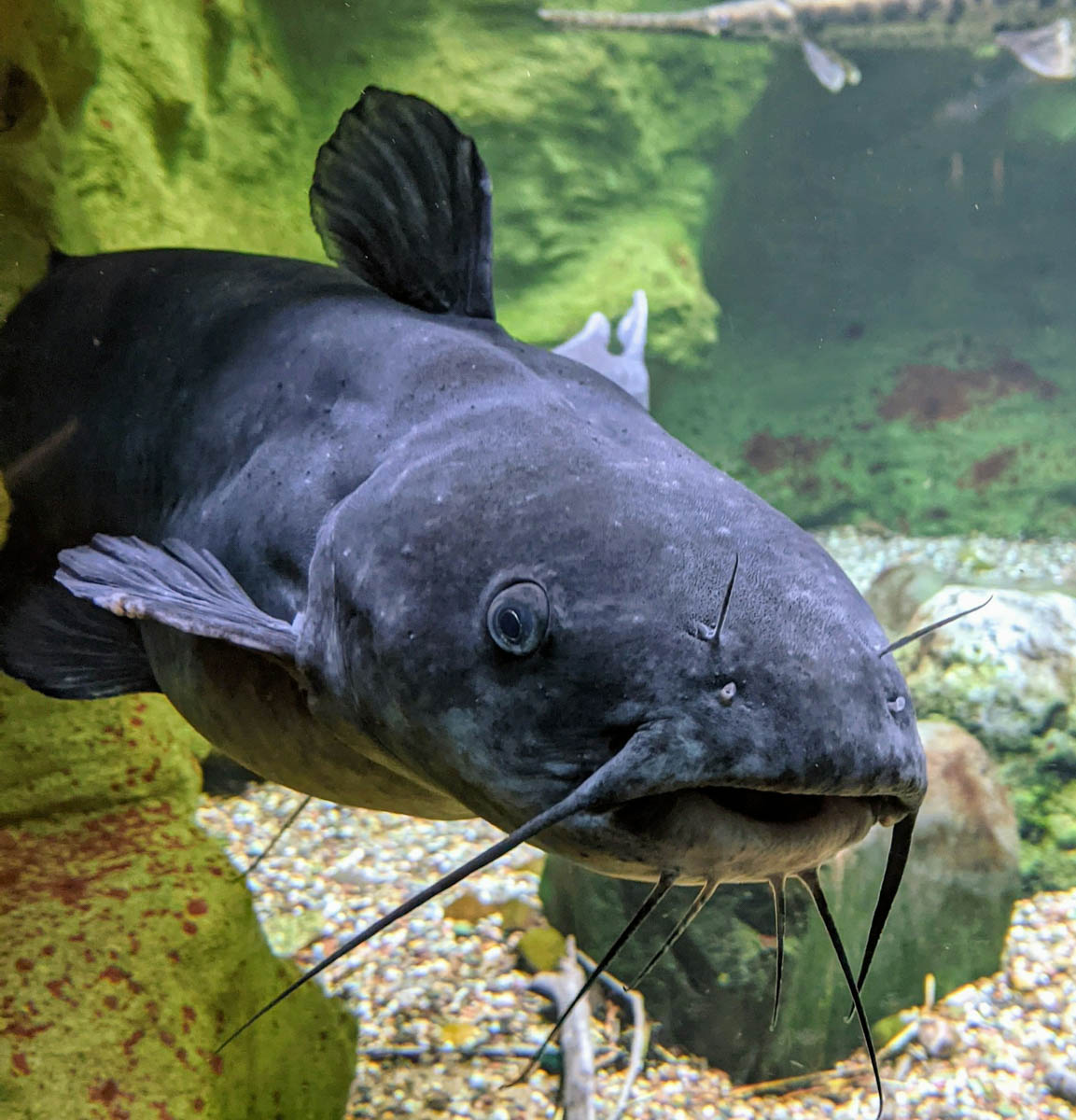
As bottom-feeders, the majority of sturgeons follow an anadromous lifecycle, meaning they spend most of their time foraging in coastal estuaries and river deltas but journey upriver to lay their eggs. However, their habitats vary widely; some species live strictly in freshwater, while others dwell in coastal marine waters and occasionally travel out into the open sea.
A handful of sturgeon species are heavily targeted for their eggs (roe), which are refined into the premium luxury delicacy known as caviar. This high commercial value has triggered severe overfishing. When coupled with other environmental pressures like habitat destruction and pollution, this intense exploitation has pushed the majority of sturgeon species to the brink of extinction, leaving them officially classified as critically endangered.
Why Are They Facing Extinction?
The very traits that allowed sturgeons to survive since the age of the dinosaurs are now making it incredibly difficult for them to bounce back from modern threats.
- The Caviar Trade: Because high-quality wild caviar can command thousands of dollars per kilogram, illegal poaching and historic overfishing have decimated adult populations.
- Late Sexual Maturity: Unlike most fish that reproduce within a year or two, some sturgeon species take up to 15 to 20 years just to reach reproductive age. If a juvenile is caught before it spawns, that entire generation’s reproductive potential is lost.
- Dams and River Blockades: As migratory (anadromous) fish, they rely on open rivers to travel up to their ancient spawning grounds. Modern hydroelectric dams block these routes entirely, trapping them in zones where they cannot successfully reproduce.
- Habitat Fragmentation: Pollution, river dredging, and water diversion have destroyed the clean, gravelly river bottoms they need to deposit their eggs.
Because of this combination of slow biology and heavy human impact, nearly two-thirds of all sturgeon species are currently listed as Critically Endangered, with several species already feared to be extinct in the wild.
YouTube Kayla Martin
THE SCUBA NEWS Link !
DemirHindiSG
06 Temmuz 2026-12:57
