
 Nöbetçi Eczaneler



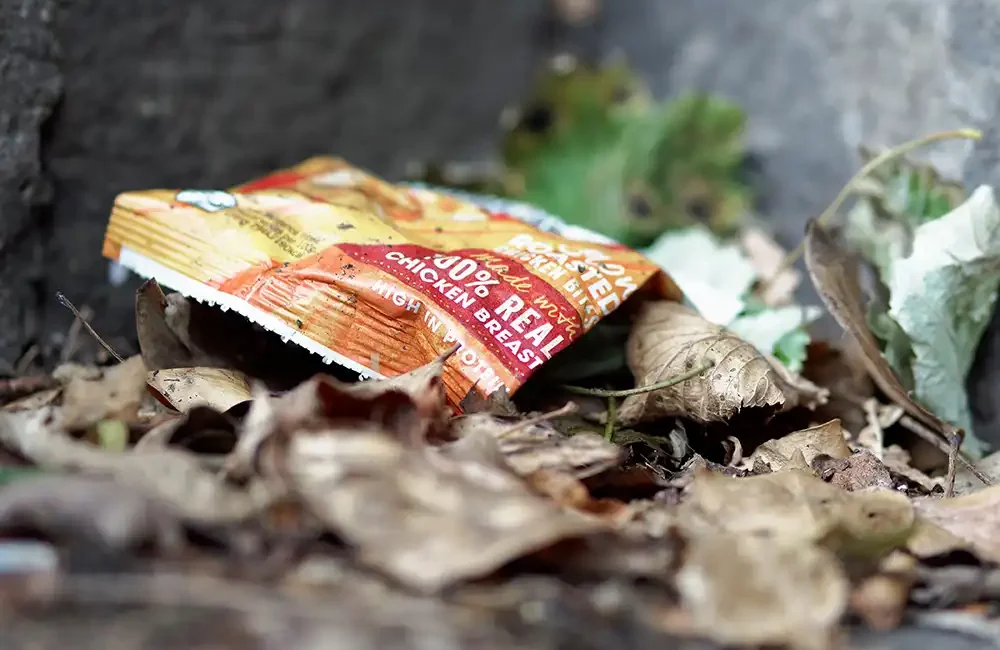
The charity is using the findings to encourage people to dispose of their rubbish responsibly or take it home with them during the current spell of hot weather, warning that litter left in parks and other green spaces can ultimately end up in the sea.
The results come from the Marine Conservation Society’s nationwide Source to Sea citizen science project, which tracks how litter moves through inland environments before reaching rivers and, eventually, the ocean.
Between 16 and 31 May, 224 volunteers surveyed streets, parks, riversides and other inland locations across 46 postcode areas, recording a total of 8,010 items of litter. Plastic food wrappers were the most frequently recorded item, ahead of drinks cans and plastic bottles.
The findings reinforce the charity’s State of our Beaches 2025 report, published in March, which identified public litter as the biggest source of rubbish found on UK beaches, ahead of litter from fishing, sewage and shipping.

‘Every piece of litter recorded by our volunteers tells an important story about how litter travels from its source all the way to our seas,’ said Anna Bunney, Citizen Science Programme Developer at the Marine Conservation Society.
‘With warmer weather, more people spend time outdoors, so we’re asking people to leave no trace. If you’re heading to the park for a picnic or spending time in your local green space, please take all your rubbish home with you or dispose of it responsibly.
‘You may seem far from the sea, but it’s surprising how easily rubbish can travel down streams and drains and find its way into the sea. Small actions like taking your litter home can make a huge difference to protecting our ocean.’
The surveys also identified an estimated £585 worth of drinks containers that would be eligible under Deposit Return Schemes, which are set to come into force in October 2027, based on a value of 20p per bottle or can.
The Marine Conservation Society says the data collected through the Source to Sea project will help support its work on reducing litter at source, including campaigning for stronger producer responsibility and effective Deposit Return Schemes.
The charity organises Source to Sea litter picks and beach cleans throughout the year, with this year’s Great British Beach Clean taking place from 18-27 September.
For more information, visit www.mcsuk.org.
Related articles
The post Plastic wrappers top UK inland litter in Marine Conservation Society survey appeared first on DIVE Magazine.
