
 Nöbetçi Eczaneler






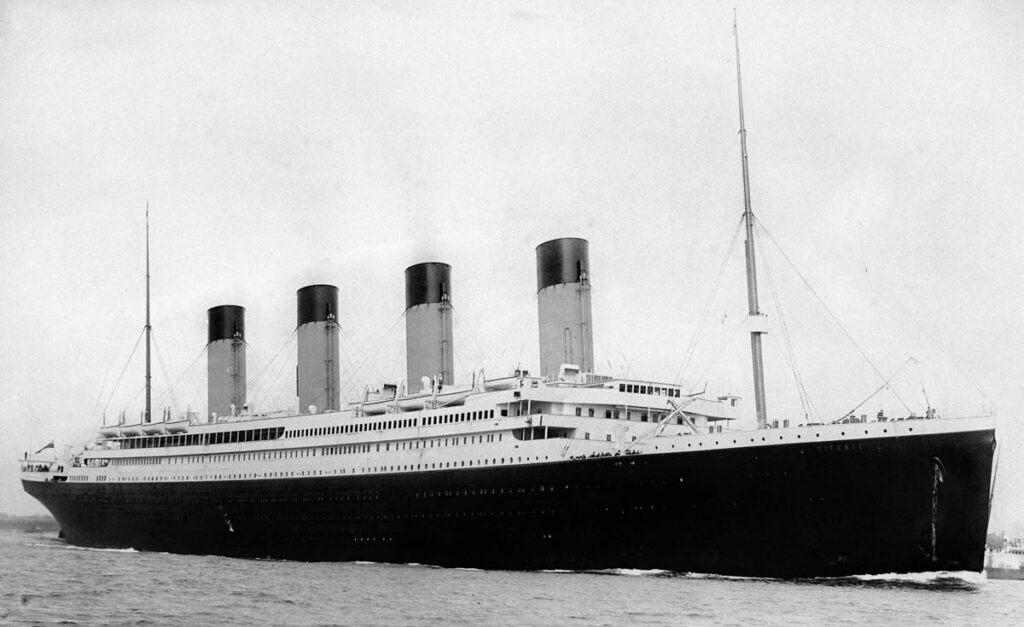
A major legal conflict has emerged over the fate of the Titanic’s deep-sea relics. According to recently unsealed federal court filings from June 2026, the United States government is actively fighting an initiative by RMS Titanic Inc. (RMST) to put more than 100 recovered items up for public auction.
The brewing courtroom battle centers on a fundamental question: Should the treasures of the world’s most iconic shipwreck be preserved for the public in museums, or can they be sold off to private collectors?
What Treasures are Slated for Sale?
The salvage rights holder, a Georgia-based firm named RMS Titanic Inc. (RMST), wants to launch a four-city international exhibition tour to showcase more than 100 deep-sea relics before selling them to private buyers.
The items targeted for the auction block include a diverse mix of ship architecture, financial artifacts, and personal mementos:
- Interior Architecture: A bronze cherub ornament that originally decorated the vessel’s iconic grand staircase.
- Luxury Jewelry: A heart-shaped pendant, a ring set with a sapphire and diamonds, and a necklace fashioned out of gold nuggets.
- Daily Items and Artifacts: Historical currency, vintage kitchenware, and various private effects belonging to those on board.
The Legal and Ethical Battle: Collective Preservation vs. Individual Sale
The overarching conflict in this legal showdown hinges on whether RMS Titanic Inc. (RMST) possesses the right to dismantle and liquidate parts of its historical collection. Acting on behalf of federal interests, the National Oceanic and Atmospheric Administration (NOAA) maintains that liquidating individual pieces directly violates the core conditions established when the firm secured exclusive salvage rights in the 1990s. The government insists that the salvaged archive must remain entirely intact as a unified collection dedicated strictly to research, public education, and museum exhibition, rather than being carved up and sold off to affluent private collectors.
In contrast, legal representation for RMST maintains that the planned auction does not breach any current judicial mandates. The company’s core defense rests on a jurisdictional loophole concerning items retrieved during its earliest 1987 expeditions, which were processed through France and explicitly awarded to RMST by a French court. Because of this, RMST’s lawyers argue that American federal courts do not hold jurisdiction over this specific subset of artifacts, leaving the company free to sell them without needing approval from U.S. authorities.
This pivot toward a commercial sale stems largely from financial necessity. While RMST traditionally generates revenue by staging educational museum exhibits with its 5,000-plus artifact inventory, the staggering expenses of deep-sea exploration have routinely strained the company’s finances. By liquidating a small portion of its archive, the firm hopes to secure the capital required to bankroll future underwater recovery missions.
However, this strategy intersects with a deeply sensitive ethical debate regarding maritime heritage. While the open market routinely sees multi-million dollar trades for Titanic memorabilia that survived on the surface—such as a passenger lifejacket that recently commanded over $900,000—items hauled directly from the ocean floor are governed by far stricter preservation standards. Historical societies and descendants of the victims have consistently opposed such sales, arguing that the debris field should be treated with the reverence of a mass gravesite rather than being treated as a commercial commodity for the wealthy.
The Historic Sinking of the Titanic
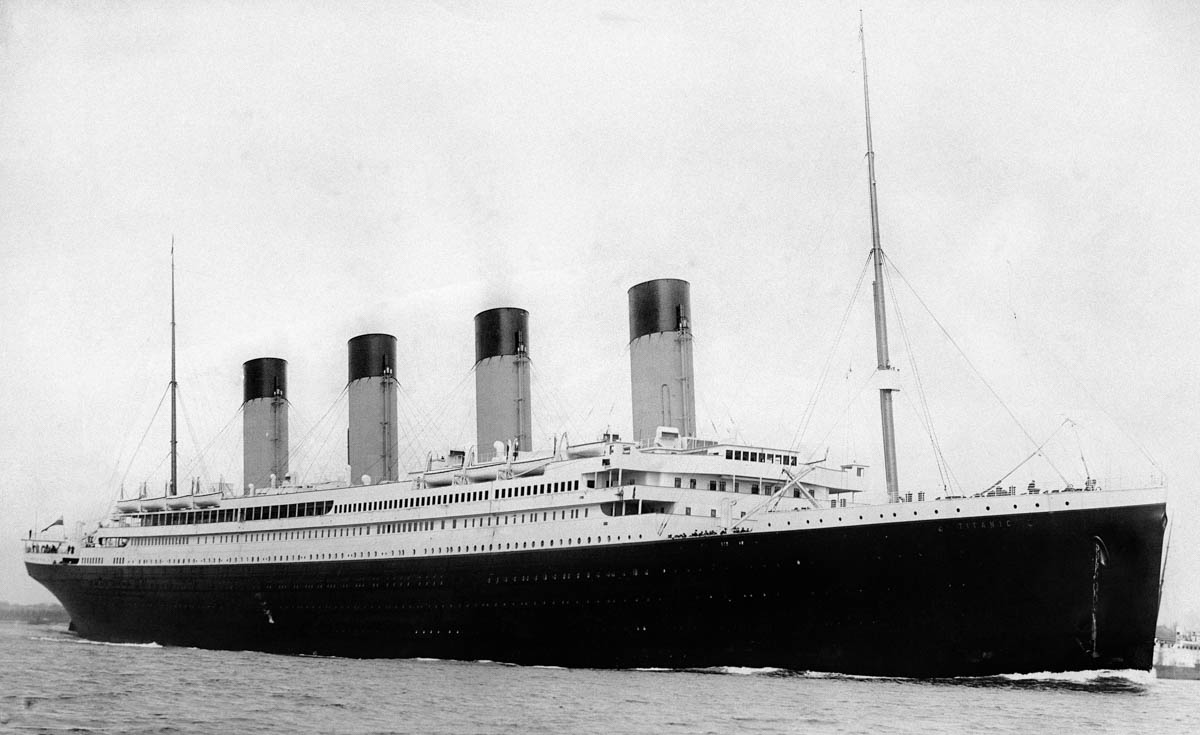
The RMS Titanic, a premier British passenger liner operated by the White Star Line, tragically foundered during the early hours of April 15, 1912. The disaster occurred during the vessel’s inaugural journey from Southampton, England, to New York City, after it collided with an iceberg. Out of the 2,208 individuals on board, roughly 1,500 lost their lives, ranking the catastrophe among the worst single-ship maritime disasters outside of wartime in modern history.
The ship’s passenger list represented a vast socioeconomic divide. It carried some of the era’s most prominent and wealthy figures alongside hundreds of hopeful European emigrants from the British Isles and Scandinavia, all journeying toward a new beginning in Canada and the United States. In the wake of the tragedy, intense global scrutiny led to a sweeping overhaul of international maritime safety laws. Today, the disaster continues to captivate the public imagination, maintaining a massive, enduring presence in popular culture.
THE SCUBA NEWS Link !
DemirHindiSG
29 Haziran 2026-15:12

.jpg)