
 Nöbetçi Eczaneler



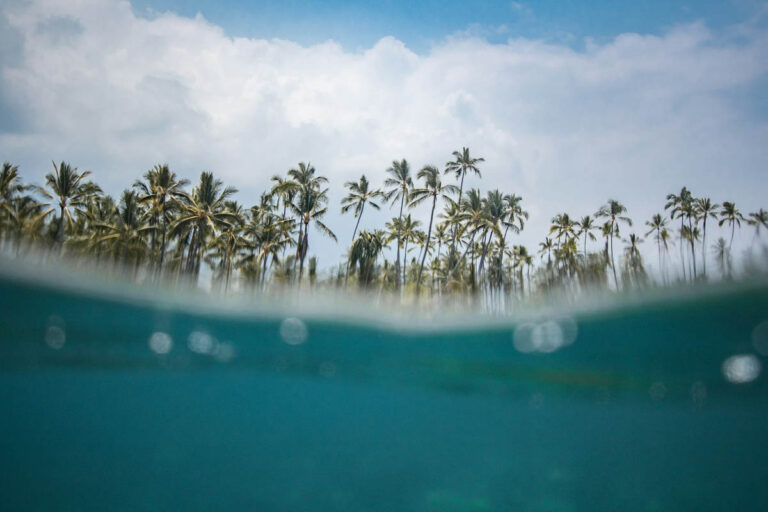
Divers in Hawaiʻi are undertaking an urgent underwater restoration operation to rescue more than 2,000 damaged corals after Hurricane Lowell battered the island of Kauaʻi, leaving sections of its reef system broken, overturned and scattered across the seabed.
The emergency effort, coordinated by Hoʻomalu Ke Kai and the Kauaʻi Coral Restoration Nursery alongside conservation partners, is focusing on Hanakā‘ape Bay at Kōloa Landing, one of the areas where significant underwater damage has been documented.
With many of the displaced coral colonies still alive, the challenge is to secure them back onto suitable reef habitat before further deterioration makes recovery impossible.
Hurricane Damage Extends Beneath the Surface
Hurricane Lowell struck Kauaʻi in early September, bringing destructive winds, flooding and powerful surf that devastated coastal communities.
While the damage to homes, roads and infrastructure was immediately visible, the storm also inflicted substantial damage on the island’s marine environment.
Large waves and underwater surge can tear coral colonies from the reef, overturn established formations and scatter living fragments across the seabed.
According to Hoʻomalu Ke Kai’s emergency restoration announcement, extensive reef damage was documented along Kauaʻi’s southern and western shores following the hurricane.
At Hanakā‘ape Bay, significant numbers of living corals were found displaced, overturned or broken away from their original positions.
Although some damaged corals can remain alive after being dislodged, their chances of survival depend on factors including their condition, exposure to sediment, continuing wave action and whether they can be secured in a suitable location.
Divers Begin Emergency Coral Rescue
The restoration operation at Kōloa Landing is scheduled to run from 3 to 13 October, bringing together trained divers and marine conservation specialists to locate, document, stabilise and reattach viable coral colonies.
The work forms part of the Hawaiʻi Emergency Reef Response Network, a statewide collaboration involving government agencies, scientists, conservation organisations and community groups.
The operation is being carried out under NOAA Restoration Center Special Activity Permit No. 2027-18 and applicable Hawaiʻi state authorisations.
Rather than simply collecting broken fragments, restoration teams must assess whether individual colonies remain viable and identify appropriate locations where they can be secured.
The process requires careful underwater handling, suitable attachment techniques and subsequent monitoring to determine whether the rescued corals survive.
With more than 2,000 damaged corals targeted for emergency intervention, the operation represents a substantial undertaking for the local restoration team.
Why Time Matters for Broken Coral
Corals are living animals, and physical damage does not necessarily mean a colony is dead.
Some displaced colonies can survive if they are recovered and stabilised quickly enough. Others may deteriorate through abrasion, sediment accumulation or continued movement across the seabed.
The urgency of emergency restoration lies in preventing additional damage while viable colonies can still be rescued.
The methods are already established in marine conservation work. In a previous hurricane response in the Caribbean, NOAA Fisheries documented the recovery and stabilisation of thousands of damaged coral fragments.
However, reattachment is only the beginning of the recovery process. Long-term survival depends on environmental conditions, the health of the coral and the stability of its new position.
Hawaiʻi’s Reef Insurance Helps Fund Recovery
The Kauaʻi operation comes as Hawaiʻi develops a wider system for responding to major reef damage following extreme weather.
In September, Hurricane Lowell triggered a $300,000 payout under Hawaiʻi’s coral reef insurance programme, following an earlier $200,000 payout associated with Hurricane Lala.
The insurance mechanism, developed through The Nature Conservancy and conservation partners, is intended to release funding rapidly after qualifying storms, allowing specialists to assess damage and undertake urgent restoration.
The September announcement covering the insurance payouts explained that the funding would support reef assessments, coral rescue and repair through the Hawaiʻi Emergency Reef Response Network.
The programme recognises that healthy coral reefs are not only important marine ecosystems but also provide natural protection for coastlines by helping reduce wave energy.
A Wider Challenge for Coral Conservation
Emergency intervention cannot reverse every consequence of a major hurricane.
In an interview with Hawaiʻi Public Radio, Julia Rose, coral restoration programme manager at The Nature Conservancy, described extensive reef destruction elsewhere in Hawaiʻi and acknowledged that restoration teams could address only a fraction of the damage.
The challenge is compounded by existing pressures on coral ecosystems, including rising ocean temperatures, pollution and human activity.
For Kauaʻi, the immediate priority is to give surviving corals the best possible opportunity to recover.
The work at Kōloa Landing also demonstrates the increasingly important role of trained divers in marine conservation, particularly when rapid underwater intervention can make a difference to the survival of damaged reef habitats.
As the operation continues, its longer-term success will depend not simply on how many corals are reattached, but how many survive and continue growing in the months and years ahead.
THE SCUBA NEWS Link !
DemirHindiSG
08 Ekim 2026-12:57
