
 Nöbetçi Eczaneler






Germany, often celebrated for its forests, castles, and historic cities, also unfolds an extraordinary underwater playground. Across lakes, quarries, mines, and even alpine high-altitude waters, the country offers a rich tapestry of diving experiences – ideal for adventurous souls and ambitious divers.
Why Germany Should Be on Every Diver’s Radar
Forget sun-drenched seas. Germany introduces a different kind of allure: freshwater clarity, mystical wrecks, and caverns echoing history. These are places where natural beauty meets ingenuity, from submerged villages to sunken planes, and industrial relics transformed into dive attractions. With a range that spans technical challenges to family-friendly conditions, Germany invites divers not just to explore, but to get creative.
1. Inland Quarries & Chalk Lakes: Hemmoor (Kreidesee)
Just 55 miles west of Hamburg, Kreidesee (Lake Hemmoor) is arguably Germany’s dive superstar. This former chalk mine plunges to 200 feet, offering visibility exceeding 80 feet, a surreal diving canvas. Underwater relics like a plane, a model great white shark, and industrial remains turn every dive into a discovery. It’s a prime spot for freedivers, tech divers, and photographers alike, with nearby accommodations and camping at the dive center.
2. Baltic Sea Wreck Wonderland: Fehmarn Peninsula
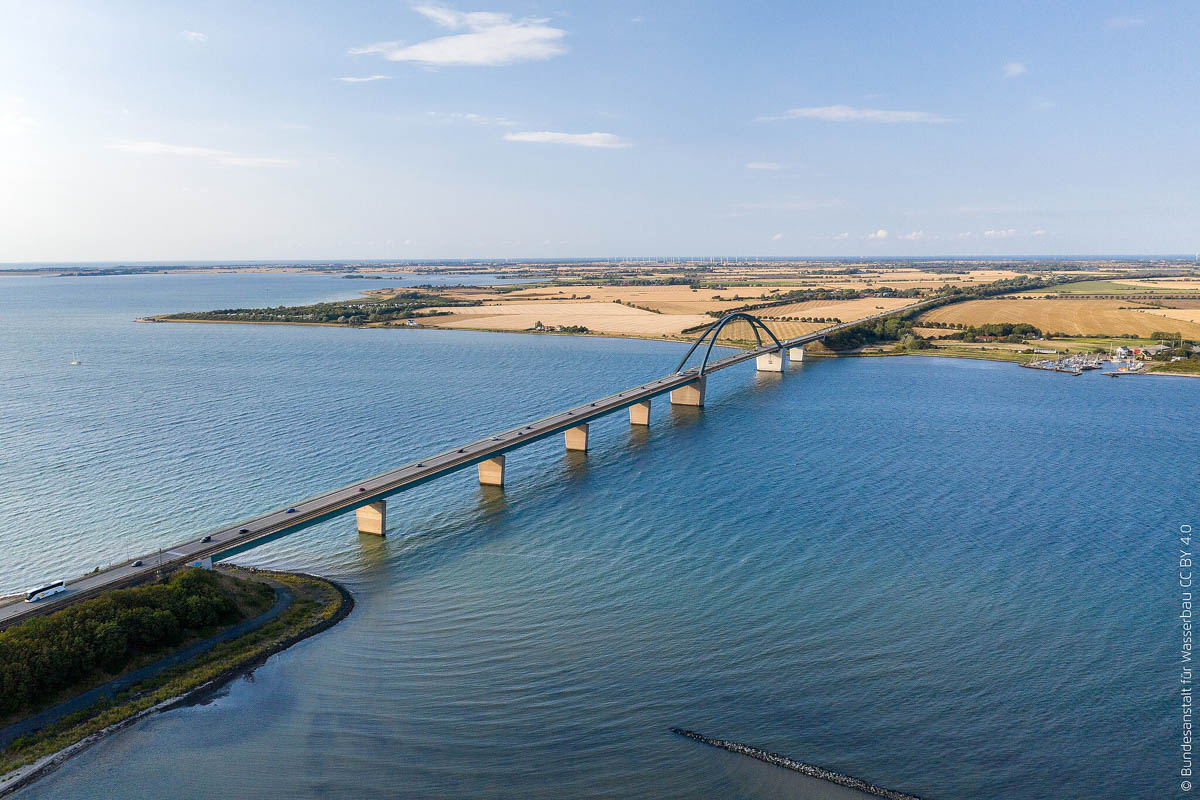
For those chasing history below the waves, Fehmarn offers an epic underwater archive. The Baltic Sea’s brackish waters house an estimated 100,000 wrecks, from Viking vessels to WWII-era relics. Highlights include drift dives beneath the Fehmarnsund Bridge and the Burg VS 54 trawler wreck, about 145 feet long. Expect colder temps and visibility that shifts with conditions, but the adventure is unrivaled.
3. Submerged Histories: Sundhäuser See & Nuttlar Mine
In Thuringia, Sundhäuser See unveils an artificial “underwater village” – Nordhusia – complete with towers, half-timbered houses, a church, and even a cemetery. Visibility and freshwater species like sturgeon, carp, and pike complete the fantastical scene.
Meanwhile, the Nuttlar slate mine in North Rhine-Westphalia offers a rare opportunity to dive into industrial history. Flooded levels stretch over seven miles, filled with preserved relics and ambient darkness—ideal for certified cave or mine divers, with supervised access possible for less-certified adventurers.
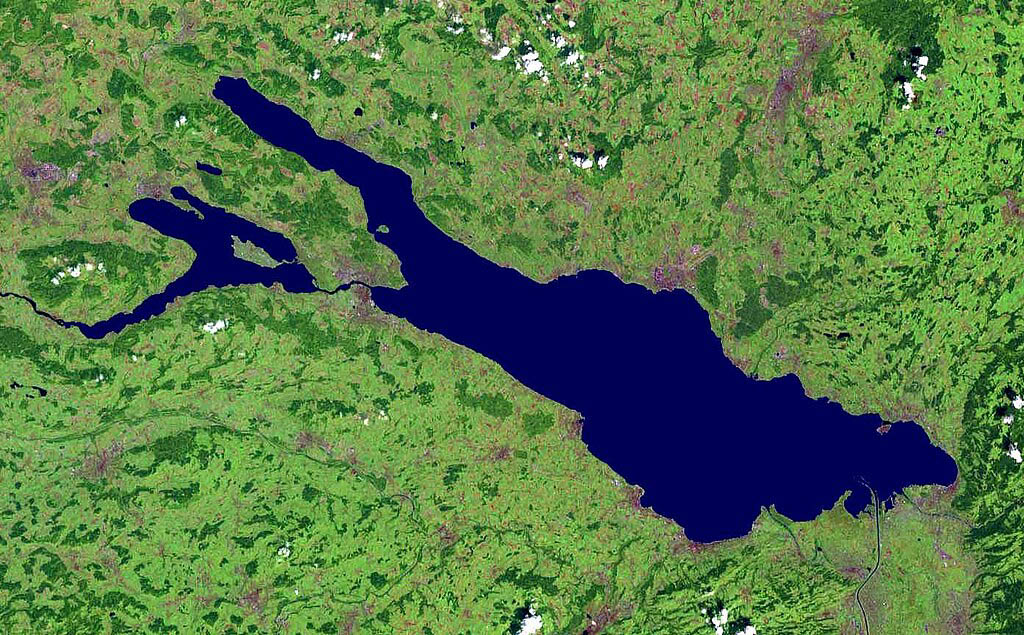
NASA, Public domain, via Wikimedia Commons
4. Alpine Lakes: Walchensee & Lake Constance
Walchensee, perched at over 2,600 feet and framed by the Bavarian Alps, boasts extraordinary clarity, depths over 600 feet, and even tales of sunken treasure from centuries past.
Lake Constance (Bodensee), Europe’s third-largest freshwater lake, offers challenging dives, including the protected paddle steamer wreck Jura at 39 meters depth. Cold-water gear is a must.
5. Unique Indoor & Specialty Facilities: The Gas-o-meter & Kulkwitzer See
Germany’s creativity shines at Tauchrevier Gas-o-meter in Duisburg, a repurposed industrial gas holder transformed into Europe’s largest indoor dive basin. A dramatic 43-foot descent reveals a surreal world of cars, wrecks, and artificial reefs under a steel dome.
Kulkwitzer See near Leipzig attracts 35,000 divers annually thanks to its visibility, diveable wrecks, and interesting installations like a chapel and plane submerged by the military for training.

Andreas Kücha (ARGE Blautopf), CC BY-SA 3.0 DE, via Wikimedia Commons
6. Southern Mysteries: Caves & Alpine Glacial Gems
For the advanced, Wimsener Höhle reveals Germany’s only water cave accessible by boat, with deeper sections dive-ready for techniques trained in cold and current waters.
The Blauhöhle is another regional marvel, beginning beneath the Blautopf spring and descending to 42 meters deep over an explorative route over 13 kilometers, an underground labyrinth for seasoned cave divers.
Getting There & What to Expect
Most international visitors arrive via Frankfurt, Munich, or Düsseldorf airports. Germany’s reliable trains and rental systems make reaching remote lakes and quarries surprisingly easy. However, many dive sites, especially in Bavaria, are subject to local regulations. Visiting via a reputable dive center ensures compliance, safety, and easier access.
Expect cold-to-cool waters year-round, calling for drysuits or cold-water regulators. Visibility ranges from crystal-clear to moody Baltic depths. Whether exploring submerged villages or industrial chambers, the experience is as much immersive as it is adventurous.
Final Thoughts
Germany isn’t just about castles, forests, and Oktoberfest. Beneath its waters lies a realm of mystery, history, and adventure. From chalk pits to alpine lakes, sunken streets to industrial relics, it’s a dive destination brimming with diversity and unexpected beauty. For divers craving something different, Germany beckons.
THE SCUBA NEWS Link !
DemirHindiSG 25 Ağustos 2025-15:38

.jpg)

