
 Nöbetçi Eczaneler




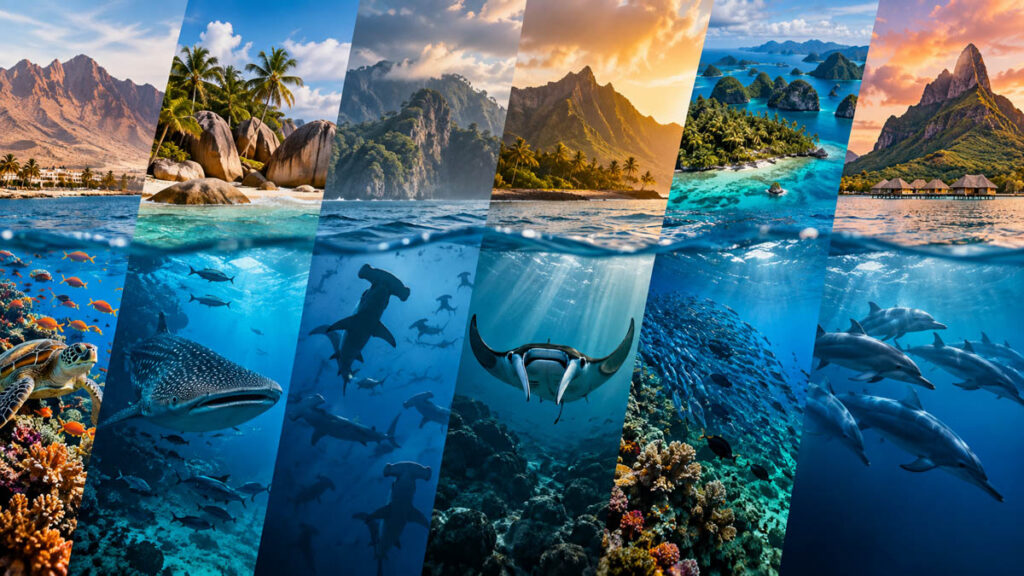
September can be a sweet spot for your next dive trip. Peak-season crowds begin to thin, summer heat eases, and changing ocean conditions can open the door to some of the year’s most memorable underwater encounters. In one part of the world, you could be drifting along sunlit Red Sea walls. In another, you might drop onto a remote Pacific pinnacle with hammerheads moving through the blue.
The key is knowing where September works in your favor. These seven destinations show how seasonal conditions, wildlife, and underwater scenery come together at just the right time.
1. Northern Red Sea, Egypt
This time of year brings especially comfortable diving conditions to Egypt’s northern Red Sea. Water stays warm at around 27-29°C (81-84°F), and visibility can regularly reach 25-35 meters (82-115 feet). The heat is still intense on land, but once you descend the view opens onto colorful coral walls, with schools of fish sweeping past turtles, rays, and reef sharks.
Bright sunlight and wide-open views across the reef make September especially appealing for photographers shooting wide-angle reef scenes. Around Ras Mohammed, dramatic walls fall away into deep blue, and passing marine life can quickly fill the frame, all within relatively easy reach of Sharm El Sheikh. More experienced divers can also venture toward deeper sites and liveaboard routes. September is a good time to add SSI Deep Diving training or Perfect Buoyancy training, depending on the sites and photography you have in mind.
For a shoulder-season trip, consider staying a few extra days rather than squeezing every dive into a short itinerary. With easy access from Europe, the Red Sea works especially well for a shorter September escape that still leaves plenty of underwater variety to explore.
2. Seychelles
The Seychelles enter an interesting transition in September. The southeast trade winds begin to weaken, gradually improving conditions as the islands move toward the calmer months of October and November. Water temperatures are typically around 27-29°C (81-84°F), and visibility can vary considerably between exposed and sheltered sites, sometimes reaching 20-30 meters (66-98 feet) when conditions line up.
The appeal here is variety. Granite formations shape a striking underwater landscape around the inner islands, with turtles, reef sharks, rays, and schools of fish weaving between the rocks and colorful reef life. September can also bring larger visitors, with whale shark activity beginning to increase around the outer islands.
This destination suits divers who enjoy combining underwater exploration with an island vacation. Mahé, Praslin, and La Digue offer plenty to do between dives, and trips to more remote atolls give experienced divers access to exposed sites. Because September is transitional, leave some flexibility in your itinerary rather than choosing a destination based only on average visibility.
3. Cocos Island, Costa Rica
If your idea of a perfect September involves sharks rather than calm seas, Cocos Island takes you straight into the action. September sits in the rainy season, when nutrient-rich water can turn the blue into a rush of pelagic activity. Scalloped hammerheads are the headline attraction, with Galápagos sharks, whitetip reef sharks, rays, dolphins, and occasional whale sharks moving through the open water.
Cocos is a demanding destination, with strong currents, rough surface conditions, and less predictable visibility than in drier months. Around 15-30 meters (49-98 feet) is possible, but plankton-rich water can shorten the view and make every shadow in the blue feel like the start of another encounter.
Cocos is only accessible by liveaboard, with boats departing from Costa Rica’s Pacific coast, so allow extra time for international flights. The remote setting and challenging conditions make it a destination for experienced divers who are comfortable with currents and long days far from shore. Training for drift diving, buoyancy control, or deeper dives can be helpful preparation before the trip.
4. Hawaii, United States
Warm water and generally settled conditions make early fall a great time to explore Hawaii’s volcanic underwater landscapes as the summer travel rush begins to ease. In many popular diving areas, water temperatures are around 26-28°C (79-82°F), although conditions vary by island.
Hawaii gives you plenty of ways to dive. Beginners can explore shallow coral reefs and lava formations, and experienced divers can follow deeper walls, lava tubes, arches, and pelagic life. Around the Big Island, manta rays gliding through the lights on a night dive create an unforgettable scene. Oahu adds wrecks and volcanic topography, and Maui and Kauai bring different mixes of reefs, turtles, rays, and schooling fish.
There is plenty to enjoy between dives, too. Hike volcanic landscapes, explore beaches, or learn more about Hawaiian culture. For photographers, the SSI Perfect Buoyancy Specialty can help you hover more steadily near fragile reefs and hold your position long enough to frame the shot.
5. Solomon Islands
For divers drawn to remote Pacific diving, the Solomon Islands offer striking underwater scenery without the crowds of better-known destinations. September falls within the region’s generally favorable dry season, bringing warm water, good visibility, and relatively settled conditions.
Underwater, the scenery can change completely from one site to the next. WWII wrecks rest beside coral walls, pinnacles, caves, and reefs covered in hard and soft corals. One dive may have you searching the reef for tiny creatures; on the next, jacks or barracuda can sweep past a wall into the blue. That constant change is a big part of the appeal.
The islands are remote, so a liveaboard can be an efficient way to explore several areas. Land-based trips leave more time for local communities and landscapes. Infrastructure is more limited than at major resorts, but the quieter, more remote atmosphere is exactly what draws many divers here.
6. Raja Ampat, Indonesia
Raja Ampat can be a rewarding shoulder-season choice in September, especially for divers who value biodiversity over a single headline animal. A maze of islands, limestone formations, coral reefs, and channels creates an underwater landscape that seems to change around every corner.
Water temperatures generally sit around 27-29°C (81-84°F), although local conditions vary. Visibility can shift from site to site as currents and plankton levels change, adding to the dynamic character of the diving.
This is a place to slow down and let the reef reveal itself. Photographers and macro enthusiasts can find reef fish, pygmy seahorses, nudibranchs, wobbegong sharks, rays, turtles, and vibrant coral communities packed into the same region.
A liveaboard is a good option if you want to cover a larger area, and resort-based diving works well if you prefer slower days and more time ashore. September can also offer better value than the busiest travel periods, although international flights and boat schedules still require careful planning.
7. French Polynesia
French Polynesia offers a completely different September experience, with the austral winter bringing big-animal encounters into focus. Around Rangiroa and Fakarava, tidal currents pour through the passes, carrying nutrient-rich water as large schools of fish and impressive numbers of sharks gather in the blue.
Water temperatures are typically around 25-27°C (77-81°F), so a 3-5 mm wetsuit can feel more comfortable than the tropical setting might suggest, especially over repeated dives. Visibility can exceed 25 meters (82 feet), opening wide views through the passes, although current strength is an important consideration.
This is a destination for confident divers who enjoy drift diving and pelagic encounters. Gray reef sharks, blacktip reef sharks, barracuda, rays, dolphins, and huge schools of fish can all feature. In the passes, the current carries you through the scene and becomes part of the dive, making the SSI Waves, Tides & Currents Specialty useful preparation for dynamic water movement.
Allow enough time for domestic flights between islands. September is also a great month to combine diving with lagoon trips, hiking, and time spent exploring French Polynesian culture.
Choosing Your September Dive Trip
The right September destination depends on the kind of diving you want. Egypt combines warm reefs with easy logistics, and the Seychelles pairs diving with an island escape. Cocos shifts the focus to remote big-animal encounters for experienced divers. Hawaii gives you plenty of flexibility, the Solomon Islands keep the scenery changing from dive to dive, and Raja Ampat invites you to slow down over reefs packed with life. In French Polynesia, strong currents and pelagic encounters shape the experience.
September is also a good month to keep your plans flexible. Compare flight prices, check local sea conditions instead of relying only on monthly averages, and leave some breathing room around boat days. You can browse diving destinations on Scubago and review DiveAssure dive-travel insurance before traveling. Choose with your own experience and comfort level in mind, especially where currents or rougher conditions are part of the dive.
If your trip includes stronger currents, deeper sites, or more demanding conditions, a relevant SSI specialty can help you prepare before you travel. You can find an SSI Training Center near you to choose training that matches your plans, so you can focus more on the dive itself once you arrive.
THE SCUBA NEWS Link !
DemirHindiSG
04 Eylül 2026-23:00
