
 Nöbetçi Eczaneler






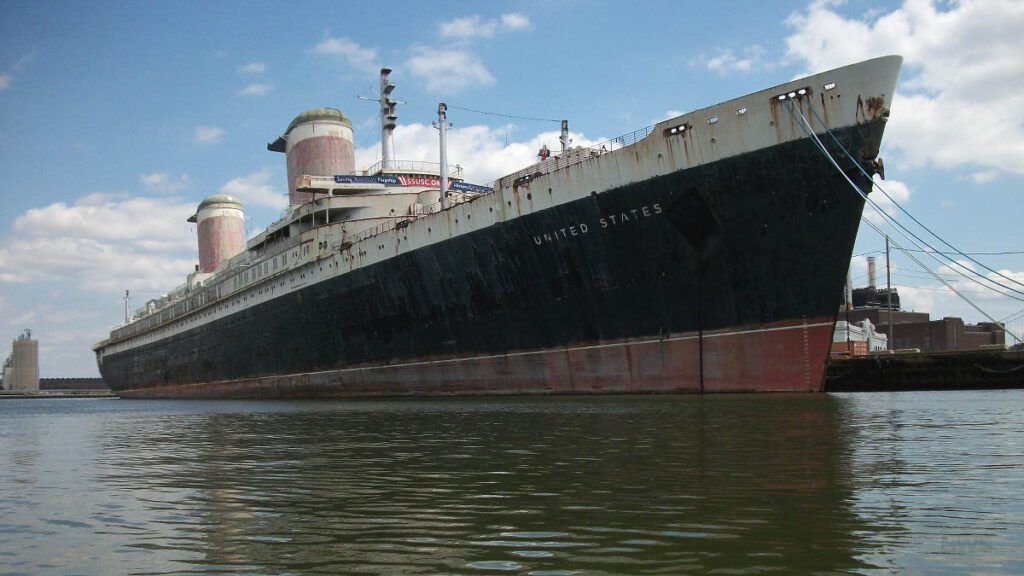
A last-minute legal challenge to the planned sinking of the historic SS United States has suffered an initial setback after a federal judge rejected an emergency request to stop the vessel becoming the world’s largest artificial reef. However, campaigners have submitted a renewed application, leaving the possibility of further legal intervention just days before the scheduled deployment.
The 990-foot ocean liner is due to leave Mobile, Alabama, on Monday, 9 November 2026, before being deliberately sunk approximately 22 nautical miles southwest of Destin-Fort Walton Beach, Florida, on Thursday, 12 November, weather permitting.
The project, led by Okaloosa County, is intended to create a major artificial reef and international scuba diving attraction. But a preservation organisation is questioning whether the required environmental and historic-preservation obligations have been adequately met.
Federal Judge Rejects Initial Emergency Application
The SS United States Preservation Foundation and its co-founder, Steven Perry, filed a lawsuit in the US District Court for the Northern District of Florida on 3 November 2026.
The legal action names the US Army Corps of Engineers and Okaloosa County among the defendants and seeks to prevent the vessel’s towing, deployment and sinking.
According to the federal court docket, the case challenges administrative decisions associated with the project, including its environmental assessment and permitting.
On Friday, 6 November, US District Judge M. Casey Rodgers rejected an emergency application for a temporary restraining order.
The ruling identified procedural shortcomings, including the absence of a verified complaint or supporting sworn affidavit establishing the factual basis for the emergency request.
The judge also raised concerns about the substantial financial consequences of delaying the project, particularly the costs of keeping a vessel of this size berthed, moored and stored.
The applicants had not proposed a sufficient security bond to address those potential costs.
Crucially, the application was denied without prejudice, leaving open the possibility of a further request.
According to The Maritime Executive’s reporting on the proceedings, the foundation submitted an amended emergency motion later on Friday.
Local broadcaster WALA/Fox10 also reported that the renewed application was accompanied by an affidavit from foundation co-founder Carlos Camacho Jr.
The initial court decision therefore does not amount to a final determination of the environmental and historic-preservation claims. At the time of writing, the outcome of the renewed application has not been independently confirmed.
Environmental Concerns at the Centre of the Dispute
The lawsuit raises questions about the environmental review undertaken before permission was granted to deploy the vessel.
Among the concerns identified by the foundation is the potential presence of hazardous substances associated with the ship’s historic coatings, including chromium compounds and zinc.
The organisation alleges that the environmental assessment failed to adequately evaluate the possible consequences of introducing these materials into the marine environment as coatings deteriorate over time.
It also challenges the handling of the project’s historic-preservation obligations under federal legislation.
The foundation is seeking to overturn relevant approval decisions and prevent deployment until it considers the necessary legal requirements to have been satisfied.
These are allegations made by the applicants and should not be interpreted as established findings that the prepared vessel poses an unacceptable environmental risk.
The project has undergone extensive preparation at a specialist facility in Mobile since March 2025, including the removal of materials considered unsuitable for artificial reef deployment.
The SS United States Conservancy, which previously owned the vessel, has acknowledged the county’s ongoing preparations and continues to support the project alongside plans for a land-based museum.
The distinction between the two organisations is important. The SS United States Preservation Foundation is pursuing the current legal challenge, while the SS United States Conservancy partnered with Okaloosa County on the vessel’s proposed future as an artificial reef and heritage attraction.
Okaloosa County Continues With Deployment Preparations
Despite the legal challenge, Okaloosa County has indicated that preparations will continue according to the existing schedule.
County spokesperson Nick Tomecek told WALA/Fox10 that the ship remains scheduled to be towed on Monday, with deployment planned for Thursday.
Some tanks have already been filled with water as part of the preparations, with additional flooding planned during the final sinking operation.
The county expects the vessel to become a major attraction for divers visiting Florida’s Gulf Coast, while also providing new structure for marine life.
Its official deployment announcement confirms that operations are scheduled to begin at 10 a.m. local time on 12 November, although weather and operational conditions could affect the timetable.
A public ceremony is planned for 11 November, with opportunities for people to follow the deployment remotely.
A Historic Ship With a New Underwater Future
Launched in 1952, the SS United States established a transatlantic speed record during her maiden voyage and remains one of the most celebrated examples of American maritime engineering.
After decades out of service and unsuccessful attempts to secure a viable permanent preservation project, the vessel was acquired by Okaloosa County in 2024.
The county’s plan would give the former liner a permanent underwater location, creating a new marine habitat and an unusually large wreck-diving destination.
At 990 feet long, the vessel is expected to become the world’s largest artificial reef by vessel length once successfully deployed.
For the diving industry, the development carries considerable significance. The site could become a destination for qualified wreck divers, supporting dive operators, charter businesses and the wider tourism economy of the Florida Panhandle.
At the same time, the legal dispute highlights the importance of environmental scrutiny and the responsibilities involved in converting historically significant ships into artificial reefs.
The SS United States Conservancy is also working with Okaloosa County on a land-based museum intended to preserve elements of the vessel’s physical and cultural heritage.
What Happens Next?
The immediate question is whether the renewed emergency application produces any further court order before the planned departure from Mobile on 9 November.
Unless an injunction or another operational delay intervenes, Okaloosa County expects the vessel to be positioned at its designated location before the scheduled sinking on 12 November.
The legal dispute remains unresolved, and any further judicial decision could affect the immediate timetable.
The Scuba News previously reported on the planned November deployment of the SS United States and will continue following the court proceedings and the vessel’s final journey.
For now, the world’s largest planned artificial reef remains on schedule, but the final days before deployment have become the subject of an increasingly urgent legal dispute.
THE SCUBA NEWS Link !
DemirHindiSG
07 Kasım 2026-20:48
