 Nöbetçi Eczaneler



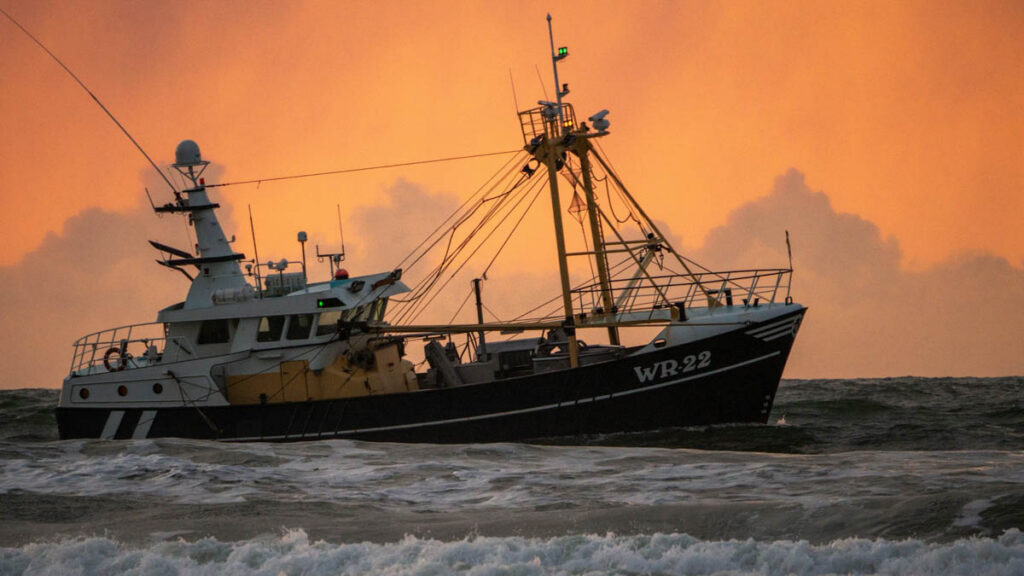
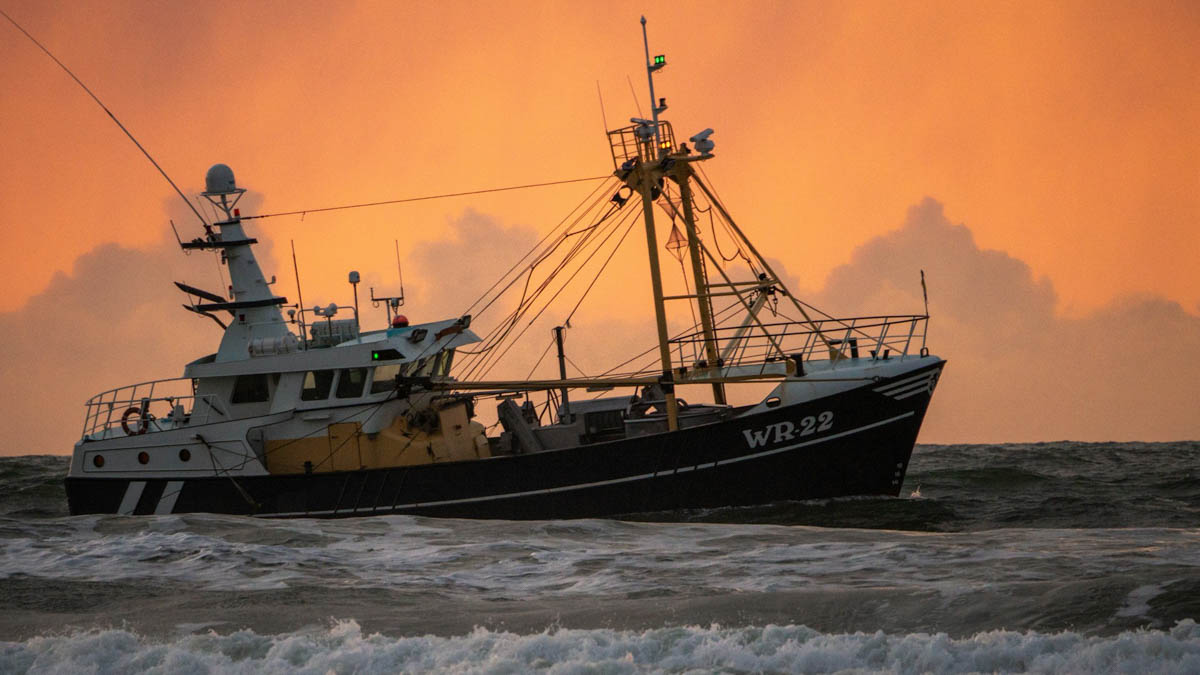
Despite years of attention, unsafe conditions continue to put thousands of Canadian commercial fish harvesters—and the communities that rely on them—at risk.
Despite advancements in technology, commercial fishing remains one of the most hazardous professions in Canada, often plagued by avoidable tragedies. Data from the Transportation Safety Board (TSB) underscores this persistent risk; between 2010 and 2025, investigations into 27 separate commercial fishing incidents consistently highlighted a pattern of hazardous working conditions. The human cost of these systemic safety issues is stark, with 143 lives lost across 97 documented accidents during that fifteen-year timeframe. Working in commercial fishing is consistently ranked among Canada’s most perilous career paths, resulting in an average of 11 deaths annually. These fatalities are frequently linked to stability failures of the boat or crew members falling into the water. Despite the high risks, many of these losses could be avoided; unfortunately, a lack of emergency beacons and the neglect of personal flotation devices (PFDs) often turn manageable accidents into fatal disasters. While personal flotation devices are essential for keeping a person buoyant, they offer little protection against the rapid onset of hypothermia in Canada’s frigid environments.
Whether in the Great Lakes, inland rivers, or the Atlantic and Pacific coast waters, the extreme water temperatures drastically limit survival time. Even with a PFD, the cold can lead to “cold shock” or physical incapacitation within minutes, making immediate rescue—rather than just flotation—the most critical factor for survival.
These tragedies often stem from a “perfect storm” of environmental conditions, mechanical failure, and human factors.
Based on the Transportation Safety Board (TSB) findings and maritime safety standards, here is a breakdown of the core risks involved in these types of disasters.
1. Vessel Stability & Overloading
Stability is perhaps the most critical factor in preventible capsizings. As seen in the Chief William Solace incident, two factors often combine to create a lethal situation:
- Structural Modifications: Adding heavy equipment (like new winches or larger booms) without a professional stability assessment raises the vessel’s center of gravity.
- Overloading: Bringing on more catch than the vessel is designed to carry reduces “freeboard” (the distance from the waterline to the deck), making the boat susceptible to taking on water in rough seas.
2. Technical & Monitoring Gaps
In the case of the Sarah Anne, the TSB highlighted a lack of Vessel Monitoring Systems (VMS).
- Response Time: Without automated tracking or an Emergency Position Indicating Radio Beacon (EPIRB), search and rescue crews may not know a vessel is in trouble until it fails to return to port.
- The “Silent” Sinking: In Placentia Bay, the lack of a distress signal meant rescuers were searching for a needle in a haystack after the window for survival had already narrowed.
3. Deck Machinery Hazards
Fatalities aren’t always caused by the vessel sinking. The deck of a scallop dragger or crab boat is a high-energy environment filled with:
- Hydraulic Booms: Used to lift heavy traps or drags; mechanical failure or improper positioning can lead to crushing injuries.
- Motorized Winches: These can snag clothing or limbs with immense force, leading to “entanglement” accidents which are often fatal if the emergency stop is not within reach.
Following these incidents, the TSB has repeatedly called for mandatory stability booklets for small fishing vessels and the universal use of EPIRBs (An Emergency Position Indicating Radio Beacon) to ensure that even if a vessel capsizes instantly, a signal is automatically sent to authorities.
THE SCUBA NEWS Link !
DemirHindiSG
29 Haziran 2026-15:12
