
 Nöbetçi Eczaneler




I read the news today… and it’s not good.
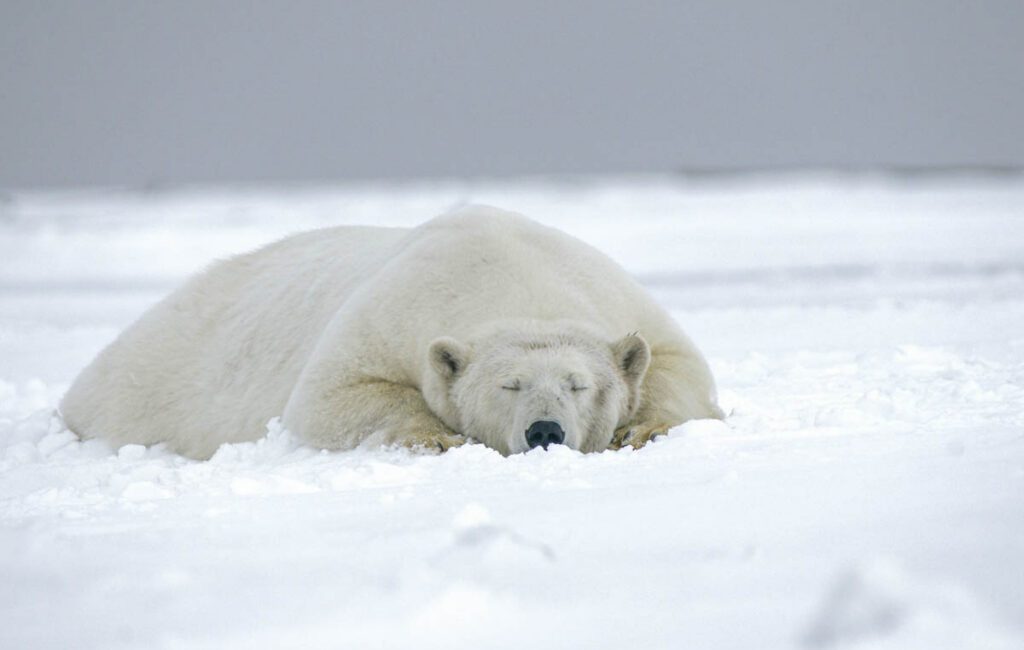
“A one‑year‑old male polar bear was found dead in Raudfjorden, northern Spitsbergen, and tests from the Norwegian Veterinary Institute confirmed highly pathogenic bird flu (H5N5). It’s the first recorded case in a polar bear in Norway or Europe, and only the second known case worldwide, after one in Alaska in 2023. A dead adult walrus from the same area also tested positive. At the same time, authorities received reports of two polar bears showing hind‑leg limping or paralysis, so they’re digging deeper into what’s going on. The first alerts came from local tourist guides who contacted the Norwegian Polar Institute. The virus has already shown up in birds, Arctic foxes, and walrus in Svalbard, and researchers say this is another sign that avian influenza is pushing into Arctic mammal populations, with real risks for already fragile ecosystems. People are being told not to touch sick or dead wildlife.” Jett Britnell
Wild aquatic birds (like ducks, geese, and shorebirds) are indeed the natural reservoir for these viruses. Because it’s enzootic in those populations, the virus silently circulates without usually causing severe illness in them. The real trouble typically starts when it spills over into domestic poultry (like chickens and turkeys), where it can mutate into highly pathogenic strains, or when it crosses the species barrier into mammals.
The spread of Highly Pathogenic Avian Influenza (HPAI) into the Arctic has reached a critical and worrying milestone, with historic cases confirmed in polar bears.
The Svalbard Outbreak (May 2026)
In May 2026, authorities confirmed Europe’s first-ever case of bird flu in a polar bear on the remote Svalbard archipelago, located about 1,000 kilometers from the North Pole.
- The Findings: A dead one-year-old male polar bear and a heavily decomposed mature walrus were discovered in Raudfjorden by local tourist guides.
- The Strain: Brain tissue samples from both animals tested positive for the H5N5 variant of avian influenza. Experts from the Norwegian Veterinary Institute (Veterinærinstituttet) noted that the virus in the brain tissue indicates it was the highly likely cause of death for both animals.
- Wider Concerns: Tour guides also observed two additional live polar bears in the area exhibiting hindlimb lameness—a potential neurological symptom strongly consistent with bird flu infections previously seen in other mammalian predators.
Previous Cases
Before the European outbreak, bird flu in polar bears had only been documented in North America:
- Alaska (2023): The very first global case of a polar bear dying from bird flu was confirmed in northern Alaska. That case was linked to the H5N1 strain, which has been driving global outbreaks across multiple continents.
Why Is This Happening?
The virus is traveling north via migratory seabird colonies, which experience massive die-offs during the Arctic summer.
Polar bears are apex predators and opportunistic scavengers. When marine mammals (like walruses or seals) or seabirds die of the virus, polar bears feed on the infected carcasses. Because multiple bears will often congregate around a single large carcass, like a dead walrus, scientists fear high-efficiency transmission pathways are opening up within these vulnerable populations.
The primary concern for wildlife biologists now is whether the virus will begin to adapt to mammals, which could trigger bear-to-bear transmission independent of scavenging infected birds or marine life.
Yes, humans can absolutely contract bird flu. However, the way humans catch it—and how it behaves once we get it—is very different from the seasonal flu we deal with every winter.
How Do Humans Catch It?
The virus does not easily cross from birds to humans. Almost all documented human cases come from direct, prolonged, and unprotected contact with infected animals or their heavily contaminated environments.
Humans usually catch it through:
- Poultry Farming & Culling: Handling infected chickens, turkeys, or ducks, or breathing in dust contaminated with their saliva, mucus, or feces.
- Livestock Exposure: In recent years, a massive outbreak of the H5N1 strain in U.S. dairy cows led to dozens of farm workers testing positive after handling infected cattle or raw milk.
- Scavenging/Wildlife: Touching dead wild birds or marine mammals.
What Are the Symptoms?
Depending on the specific strain of the virus, symptoms in humans can range from incredibly mild to fatal:
- Mild Cases: Interestingly, during recent dairy farm outbreaks, many infected workers only developed conjunctivitis (pink eye), mild respiratory symptoms, or a low fever.
- Severe Cases: Historically, certain strains of H5N1 have been highly lethal in humans, causing severe pneumonia, acute respiratory distress, multi-organ failure, and death. Globally, when humans do contract severe H5N1, the mortality rate has hovered around 50%.
If a human catches bird flu, the virus usually hits a dead end. It is incredibly rare for that infected person to pass it to another human. Public health agencies like the WHO and CDC maintain that the risk to the general public remains low because you generally have to actively work with infected animals to get it
THE SCUBA NEWS Link !
DemirHindiSG
29 Haziran 2026-15:12
