
 Nöbetçi Eczaneler




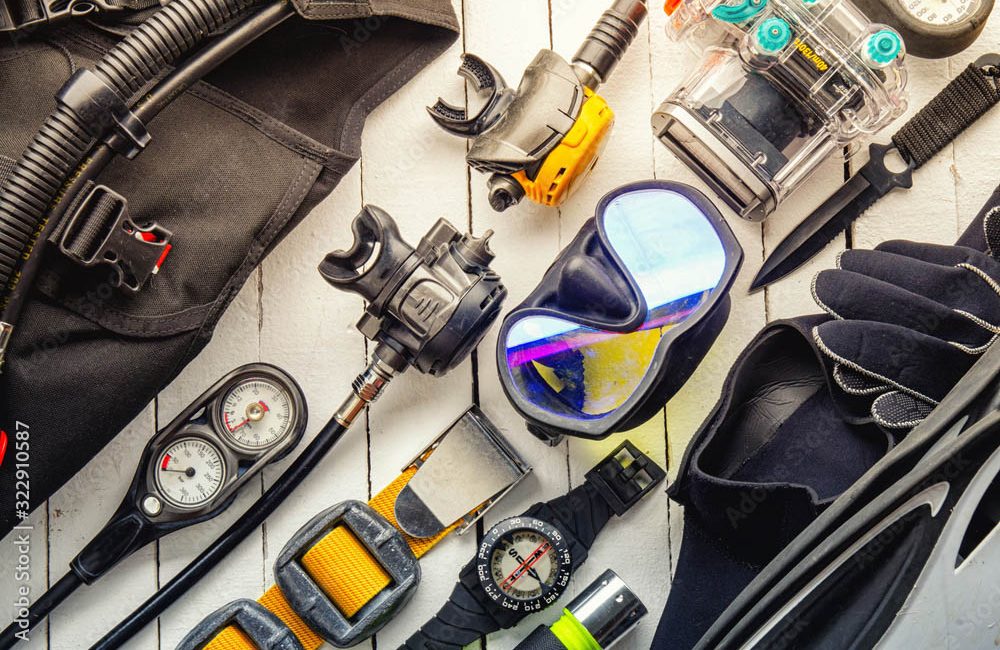
After a dive trip, it’s tempting to unload everything, rinse what looks dirty, and promise yourself you’ll organize it later. Then life gets busy, and your expensive gear ends up in a messy stack. With a little planning, your garage can become a smart storage spot that protects your gear and keeps your next dive day stress-free. Use these tips to store your scuba gear properly in the garage.
Rinse Before You Store
Salt, sand, chlorine, and lake grime can wear down gear faster than you might expect. Before storing anything, rinse your equipment with clean, fresh water. Pay close attention to zippers, buckles, clips, mask skirts, fins, and BCD pockets, where debris loves to hide.
Let everything dry completely before you put it away. Moisture can cause mildew, unpleasant odors, and material wear. Hang items in a shaded, well-ventilated area until they feel dry to the touch. Don’t rush this step, even when you want to clear the floor quickly.
Pick the Right Spot
Garages can swing from hot and dry to cold and damp, depending on the season. Choose a storage area away from direct sunlight, water heaters, harsh chemicals, and sharp tools. Heat can damage rubber and neoprene, and chemical fumes can harm sensitive materials over time.
Keep your scuba gear off the concrete floor. Concrete can retain moisture, and gear left on the ground can collect dust, dirt, and bugs. Wall-mounted racks, sturdy bins, and raised storage systems can help you keep everything cleaner and more accessible.
Organize by Gear Type
Group your gear in a way that suits how you dive. Store masks, snorkels, gloves, hoods, and small accessories together so you don’t waste time searching for them before your next trip. Keep fins paired and upright or flat to help them retain their shape.
When deciding between open shelving and garage cabinets, consider your garage environment and how often you dive. Open shelving gives you quick access and helps gear breathe. Cabinets offer more protection from dust, pests, and household clutter. Many divers use both, with bulky items on shelves and smaller pieces inside cabinets.
Protect Delicate Equipment
Regulators, dive computers, cameras, and gauges need extra care. Loosely coil regulators for storage instead of tightly wrapping them. Tight bends can stress hoses and shorten their lifespan. Keep dust caps dry and secure before putting regulators away.
Dive computers and cameras perform best in protective cases. Remove batteries when the manufacturer recommends it, especially during long storage periods. Keep manuals, chargers, O-rings, and small tools in one labeled container so you can find them when needed.
Give Wetsuits Room
Wetsuits need room to hang properly. Avoid thin wire hangers, which can stretch the shoulders and leave dents. Use a wide wetsuit hanger or fold the suit over a thick bar.
Store wetsuits away from sunlight and heat. UV exposure can weaken neoprene, and extreme temperatures can accelerate aging. Give each suit enough airflow so it stays fresh between dives.
Check Gear Before Trips
Good storage helps, but you still need to inspect your gear before every dive outing. Look for cracks, worn straps, sticky zippers, mildew, leaks, and missing parts. Test inflator buttons, clips, buckles, and releases before you pack.
A quick check at home can save you from frustration at the dive site. It also gives you time to replace small parts before they turn into bigger problems.
Keep Your Next Dive Simple
Garage storage doesn’t need to feel complicated. Create an organized garage system for your scuba gear to protect your equipment and make it easier to find what you need. Clean your gear, dry it thoroughly, choose a smart storage area, and give delicate equipment the protection it needs. When every item has a place, packing for your next dive feels easier.
Your scuba gear works hard underwater. Give it a clean, organized home between adventures, and you’ll spend less time untangling straps and more time looking forward to your next descent.
THE SCUBA NEWS Link !
DemirHindiSG
28 Haziran 2026-22:41
