
 Nöbetçi Eczaneler






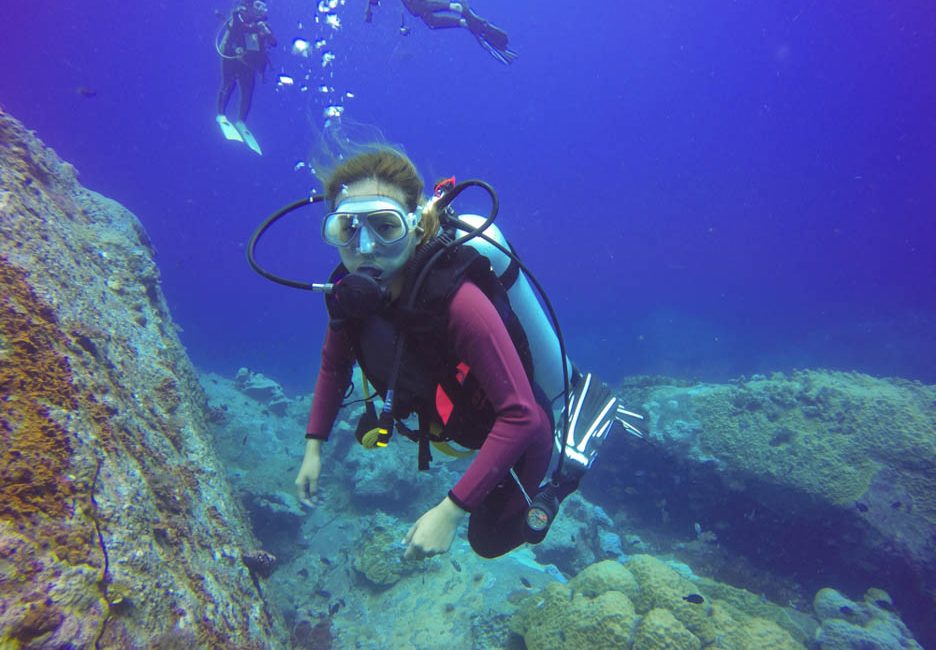
A diving accident may go from exciting to scary in a split second. A single mishap may result from improper gear and rough sea currents. In case of a diving accident at sea, what you do next becomes very important. The next steps may affect your health, your rights, and your future.
Remain Calm and Seek Shelter First
The aftermath of a diving accident can be disorienting. Your injuries can be made worse by panic. Your initial reaction has only one purpose. To get out of harm’s way.
When you are in the water, signal to your buddy and come up slowly. Don’t rush; it will help you avoid problems with decompression. When you’re on the surface, you need to work on staying afloat and visible.
Try to relocate to either the boat or an anchored location. Sit or lie down. Refrain from excessive motion, particularly in episodes of pain, dizziness, or numbness.
Important steps to follow immediately:
- Send out a distress signal at once
- Secure your breathing equipment
- Keep yourself warm and hydrated
- Do not make any further attempts at a dive.
Seek Medical Attention Immediately
Even if it appears that the injury is not serious, it is essential that a doctor be seen. Some diving injuries may take some time to manifest. Decompression sickness, lung injury, and internal injury may not be immediately recognizable.
Within the first few minutes, inform the boat crew regarding what happened. Give them details such as your depth, time, and rate at which you surfaced.
After ensuring that your needs for emergency care are taken care of and that you are out of danger, it is also important to consider other matters related to your issue. Attorney advice may be sought, especially if there are matters related to equipment failure, supervision, or safety at the time of the accident that need to be looked into.
In such cases, a quick consultancy from an experienced scuba diving accidents attorney will help divers determine the culpability of the responsible parties and protect the rights of divers who have been injured while diving.
Medical actions of importance
- Ask for oxygen if it’s available
- Evaluate: Seek evaluation by a dive-trained medical professional
- If recommended, go to the hyperbaric chamber
- Adhere to all post-accident procedures strictly
Record What Occurred While the Information Is Still Fresh
These medical records aid the doctors as well as the lawyers in handling the case. Write down all the things you remember as soon as possible.
It should include time, location, weather, witnesses’ names, as well as any equipment malfunctions and any abnormal pre-dive instructions.
Photos and videos may also be beneficial. If it is safe, it is a good idea to take pictures of equipment, boats, and observable injuries.
Good documentation should include:
- Dive logs and computer data
- Rental receipts for equipment
- Training certification
- Contact information of witnesses
Avoid Admitting Fault or Making Assumptions
Feelings are intense after an accident. A desire to explain oneself or apologize for what happened is natural. Be very careful with your words.
Do not admit your fault or speculate on what might have caused the accident. When speaking with crew members or operators, stick to the facts of the incident. Avoid signing any documents unless you understand exactly what they are.
Insurance companies and operators may rush into action. Defend yourself with facts and calmness.
Follow Medical Advice During Recovery
Recovery does not end after emergency treatment. Many dive-related injuries require rest and follow-up care.
Not taking medical advice can delay the process of recovery and cause damage in the long run. Being on time for all appointments and reporting new symptoms immediately.
Keep records of physician visits, medical expenses, and lost time at work. These facts may be useful later.
Recovery tips:
- Avoid flying until medically cleared
- Keep yourself hydrated and take enough rest.
- Watch for delayed symptoms
- Follow all rehabilitation recommendations
FAQs
What injuries or conditions frequently develop as consequences of scuba diving accidents?
Injuries may include decompression illness, pulmonary barotrauma, spinal injury, and head injury. Symptoms may occur many hours after a dive.
Is it necessary that I report a dive accident if I am feeling all right?
Yes. It creates documentation, documentation that leads to adequate medical assessment. Delayed symptoms happen in diving injuries.
Is there any legal recourse if the scuba diving center is negligent?
Yes, in some cases, perhaps negligence played a part in an accident, in which case a lawyer can guide you on what to do.
Conclusion
The thought of diving accidents is frightening, but rapid and informed action does make a world of difference. Consider safety, medical attention, and clear records. If questions arise, find advice and explore options with a view to safeguarding your health and future.
THE SCUBA NEWS Link !
DemirHindiSG 17 Ocak 2026-01:45