 Nöbetçi Eczaneler






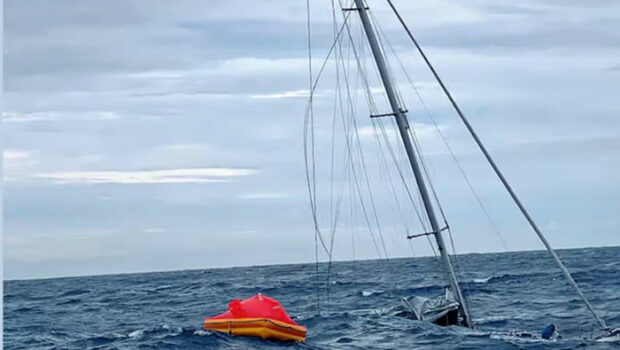
When a yacht is in distress far offshore, another sailing crew may be its best chance of rescue. A new groundbreaking report from the Cruising Club of America (CCA) examines 28 yacht-to-yacht crew rescues to help sailors prepare for that responsibility.
The 63-page report explores the decisions and challenges involved: when to call for help, how to bring two vessels together safely, how to transfer people aboard, and what happens after everyone is rescued.
“Most offshore sailors never expect to be the vessel that answers a Mayday, but whether far offshore or coastal, you may be the nearest or only boat able to assist and rescue another,” says William Strassberg, MD, past chair of CCA’s Safety and Seamanship Committee and chair of the report team. “This report gives skippers and crews the lessons from 28 real rescues, so the first time they think through a yacht-to-yacht rescue isn’t in the middle of one.”
The study grew out of recommendations following incident reviews of the 2024 Newport Bermuda Race. Working with US Sailing and the Bermuda Race Foundation, CCA’s review team examined documented rescues and interviewed many of the sailors involved.
Although every rescue unfolded differently, several lessons emerged:
• Safety training pays off. Few crews had practiced a yacht-to-yacht rescue, but many credited their broader safety-at-sea training with helping them succeed.
• Communication shapes the outcome. Flares, VHF radio, and satellite communications all played important roles. Unregistered emergency beacons complicated some responses.
• Decisions cannot wait. Recognizing the need for help, deciding whether to abandon a boat, and choosing a transfer method were critical moments.
• Agree on a plan before approaching. Most rescues involved a life raft. A shared plan between skippers helped manage the risks of collision, fouled propellers, and people falling overboard.
• Getting everyone aboard is only part of the job. Rescued sailors may need medical attention and emotional support, while the extra people put new demands on the rescuing boat’s crew, supplies, and systems.
Kirsten Neuschäfer, who received CCA’s Rod Stephens Seamanship Trophy for rescuing Tapio Lehtinen during the Golden Globe Race, contributed the foreword. She describes the report as “an eye-opener about situations most people never contemplate.”
To read the full report, click here.
SCUTTLEBUTT News Link !
DemirHindiSG 20 Ekim 2026-21:26
