
 Nöbetçi Eczaneler



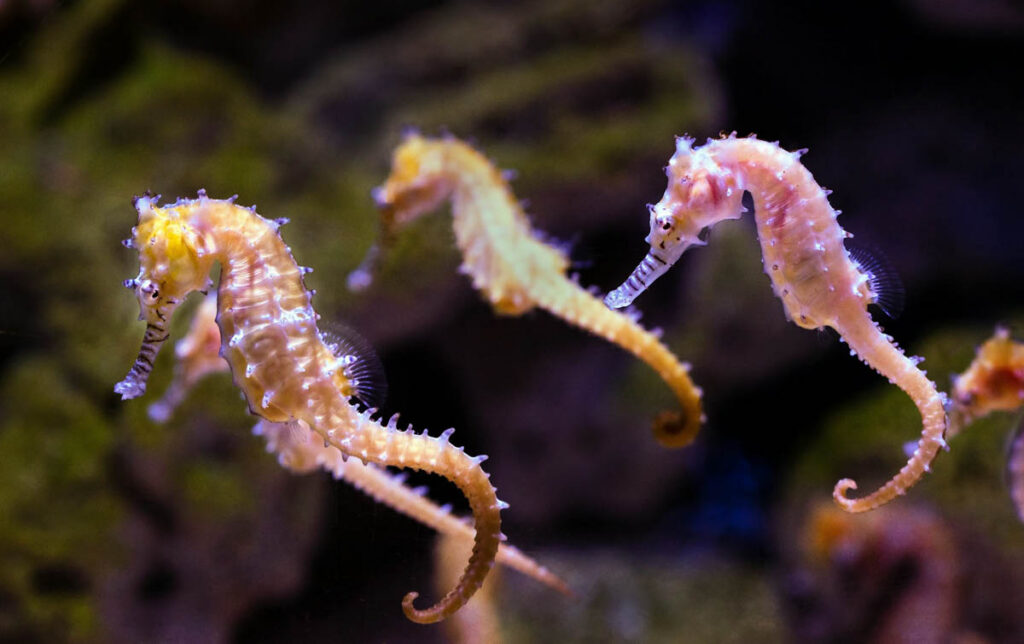
Protected seahorses in one of the UK’s most important marine conservation sites are once again at the centre of conservation concerns, with reports that increasing numbers of tourists, photographers and television crews are disturbing the vulnerable animals.
Studland Bay, on England’s south coast, is one of the few locations in the UK where endangered spiny seahorses (Hippocampus guttulatus) and short-snouted seahorses (Hippocampus hippocampus) can be found living naturally within extensive seagrass meadows.
According to reporting by The Telegraph, conservationists say growing public interest in the animals has resulted in people actively searching for, photographing and filming seahorses, sometimes causing unnecessary disturbance.
The renewed attention comes as UK wildlife authorities continue to remind visitors that both seahorse species are legally protected under the Wildlife and Countryside Act. Deliberately disturbing the animals or their habitats may constitute an offence, and certain activities, including targeted photography or filming, require an appropriate wildlife licence.
The Marine Management Organisation (MMO) has previously advised divers, snorkellers and underwater photographers that anyone intentionally searching for or photographing seahorses for commercial or research purposes may need a licence. Visitors are encouraged to avoid handling the animals and to move away immediately if they display signs of stress.
Studland Bay has become one of the UK’s most significant marine conservation success stories. Years of habitat protection, the installation of environmentally friendly moorings and long-term monitoring by conservation organisations have helped improve conditions for both seahorses and the seagrass meadows they depend upon.
The Seahorse Trust, which has monitored the population for many years, has repeatedly highlighted the importance of minimising disturbance, particularly during breeding periods when the animals can be especially vulnerable.
The latest reports serve as a reminder that responsible wildlife encounters are essential, even when the intention is simply to capture photographs or video.
For divers visiting Studland Bay, the best practice remains straightforward: observe from a respectful distance, avoid chasing or repositioning marine life for photographs, maintain good buoyancy to protect fragile seagrass habitats and follow all local conservation guidance.
As interest in marine wildlife continues to grow, conservationists hope increased awareness will encourage visitors to enjoy these remarkable animals without compromising their survival.
Key Facts
- Studland Bay is one of the UK’s most important habitats for native seahorses.
- Both British seahorse species are legally protected.
- Deliberately disturbing protected seahorses may be an offence under UK wildlife legislation.
- Commercial filming, photography and some research activities may require a wildlife licence.
- Conservation groups encourage divers to observe wildlife without interference.
THE SCUBA NEWS Link !
DemirHindiSG
02 Ağustos 2026-20:26
