
 Nöbetçi Eczaneler






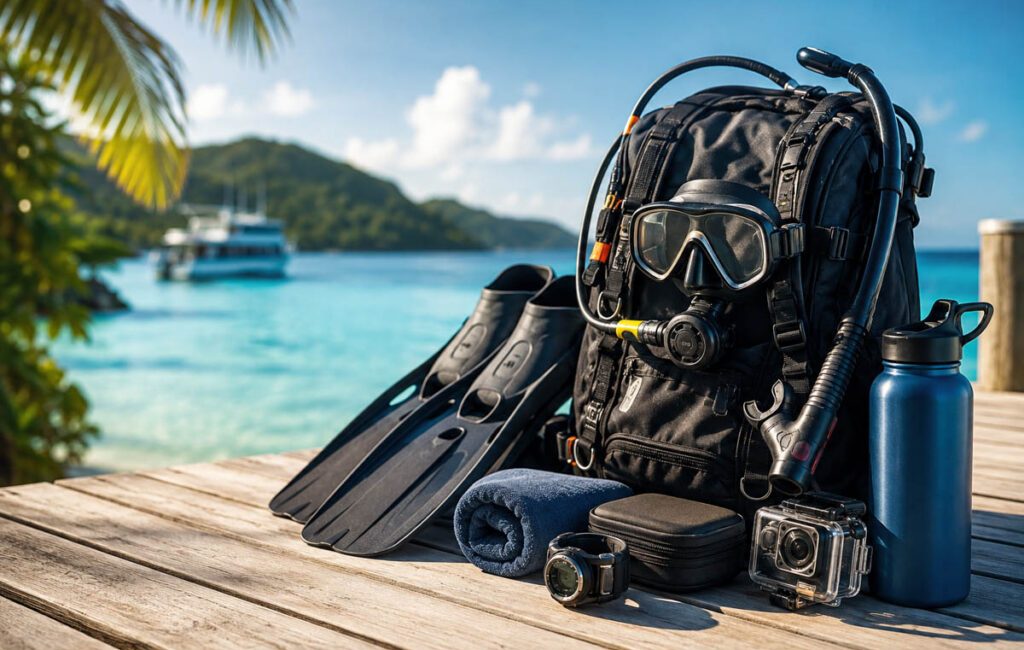
Packing for a summer dive trip sounds simple. Then, halfway to your destination, you realize your surface marker buoy is still on the kitchen table. Your spare regulator mouthpiece may be buried somewhere in a bag you cannot find. A quick check before departure can prevent that kind of packing frustration.
This checklist goes beyond basic scuba gear and focuses on what actually makes a dive trip smoother in real life, so you have everything you need. From overlooked essentials like electrolytes and dry bags to digital backups and liveaboard-specific comfort items, it is designed to help you travel lighter.
Core Dive Gear: The Non-Negotiables
Most divers already know the basics, but summer travel is where assumptions cause problems. Mask, fins, snorkel, regulator, buoyancy control device, exposure protection, dive computer, and surface marker buoy should always be checked well before departure, not the night before. Summer trips often involve multiple dive days in a row, so small issues like a sticky inflator or fogging mask can quickly become a daily frustration. The SSI Equipment Techniques Specialty helps divers understand how to choose, maintain, and store equipment before a multi-day trip.
A lightweight exposure suit such as a 3-millimeter (0.12-inch) wetsuit is often enough for warm tropical destinations, but the right choice depends on water temperature, your dive schedule, and personal cold tolerance. What often gets overlooked is fit after storage. Try the suit on before you pack, because a poor fit can reduce warmth and comfort underwater. Bringing your own mask is almost always worth it, even on guided trips, because fit consistency directly impacts comfort and calm breathing underwater.
A spare mask strap, fin strap, and regulator mouthpiece take almost no space but can keep a simple breakage from interrupting an entire dive day.
The Overlooked Essentials That Change Your Trip
Sunscreen deserves more thought than simply tossing the nearest bottle into your bag. Some destinations restrict products with specific UV filters, and strong tropical sun reflecting off the water can burn your skin even on cloudy days, especially during long surface intervals.
Those same wet and exposed conditions make a dry bag worth the space. A simple 10- to 20-liter (2.6- to 5.3-gallon) roll-top bag protects towels, phones, and dry clothes from boat spray or sudden rain. Hot weather and repeated dives can also dehydrate you faster than expected, so small electrolyte sachets or tablets are easy to pack and useful between dives.
Boat conditions can change just as quickly. Seasickness tablets or patches may be worth bringing even if you rarely need them, since prevention is easier than recovering once symptoms begin. Test any medication before the trip and check whether drowsiness or other side effects could affect diving.
A compact first aid kit helps with the smaller problems that can still interrupt a diving day. Pack adhesive bandages, antiseptic wipes, blister pads, and any personal medication.
Finally, think about what you will need after the dive. Breathable shorts, loose tops, and a warm layer for evening boat rides make the shift from hot sun to wind or strong air conditioning far more comfortable.
Liveaboard Packing: Living on the Water
Liveaboard diving changes your relationship with gear and space. Cabins are small, humidity lingers, and a little organization makes each day more comfortable. Before you book, Scubago can help you explore dive trips and find an option that fits your destination, experience level, and travel plans.
Once on board, soft packing cubes keep wet and dry items separate and prevent your cabin from disappearing beneath a pile of equipment.
After several dives, even small comforts can make a difference. Engines, generators, and shifting anchor lines may disturb your sleep, so reusable earplugs can help you wake up rested for the next day underwater.
Keeping your devices charged also takes some planning. Many liveaboards have limited outlets, and a multi-port USB charger with short cables keeps the charging area tidy. A small power bank can keep your phone, camera equipment, or rechargeable dive computer ready during longer surface intervals. Pack it in your carry-on luggage and check the airline rules for spare lithium batteries before departure.
A lightweight microfiber towel dries quickly in humid air and takes up far less space than a standard towel. Add a laundry bag to keep damp gear away from the rest of your belongings, especially when you are diving several times a day.
Air Travel and Small Plane Logistics
Summer dive trips rarely involve one simple flight. A long-haul arrival may be followed by a regional connection or a small-aircraft transfer to an island, where checked-baggage limits can drop to around 15 to 20 kilograms (33 to 44 pounds). Suddenly, every fin, charger, and spare part has to earn its place. Check the allowance for every carrier on your itinerary before you start packing.
If you are bringing your own equipment, spread the weight carefully. Keep regulators and dive computers in your carry-on whenever airline rules allow. This protects them from rough handling and keeps your most important gear with you if your checked bag misses a connection.
On a long-haul route, your carry-on becomes your arrival kit. Pack a full change of clothes, swimwear, essential toiletries, prescription medication, and basic dive documentation. Even if your main bag arrives a day late, you can shower, change, and still walk into the dive center prepared.
A long layover can be tiring before the diving has even begun. A small shower kit with compact toiletries, flip-flops, and a quick-dry towel can make the final leg feel far easier. After 12 to 18 hours in transit, stepping onto the next flight clean and refreshed makes a real difference, especially when a boat transfer or dive-center check-in is waiting at the other end.
Digital Preparation: The Modern Dive Checklist
Digital preparation is now an important part of packing. Certification cards should be stored both physically and digitally. The MySSI app gives SSI divers online and offline access to digital certification cards, learning materials, and logbook information. Keeping another backup can prevent unnecessary delays during check-in.
Insurance documents are essential and should include dive-specific coverage details. The SSI partner DiveAssure offers accident and travel plans designed for divers. Save offline copies of your policy and emergency contact details on your phone in case of poor connectivity at remote destinations.
Limited signal can turn a simple transfer into a frustrating search for the right airport exit, port, or accommodation. Download offline maps before you leave reliable Wi-Fi, then back up your photos, dive logs, and travel documents to the cloud. Even a simple automatic phone backup before departure can protect your directions, records, and memories if your device is lost.
Customizing Your Packing Approach
There is no single perfect packing list because every dive trip has its own rhythm. On a liveaboard, where cabins are tight and damp gear seems to multiply overnight, compact bags, soft packing cubes, and items with more than one use quickly earn their place. At a resort, there is usually more room to breathe, so an extra outfit, comfortable shoes, or a few things for shore excursions may be worth carrying.
Minimalist travelers may rent most of their equipment and bring only the pieces that feel personal underwater, such as a well-fitting mask, their own dive computer, and an exposure suit that fits comfortably. Divers who travel with a full set accept the extra weight because trusted equipment can make the first descent feel calmer and more predictable.
What belongs in your bag depends on how often you dive, where you are going, and how complicated the journey will be. Pack around the way you actually travel and dive. A well-planned dive bag quietly prevents small problems before the boat leaves the dock or your fins touch the water.
Summer dive trips can move quickly from airport terminals to transfer boats, accommodations, and the dive deck. Thoughtful packing helps each step feel smoother. Focus on the situations you are most likely to face instead of trying to prepare for every possibility.
When your gear works, your dry clothes stay dry, and the travel days fall into place, you can stop thinking about logistics. You can look over the side of the boat, see the blue below, and focus on the dive ahead.
THE SCUBA NEWS Link !
DemirHindiSG
05 Ağustos 2026-19:58
