
 Nöbetçi Eczaneler




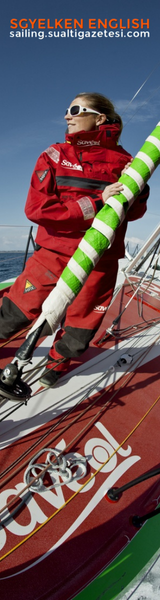


Cécile Divoy shares the lessons she learned from college sailing in this LinkedIn post:
I was crew on the Georgetown University sailing team during my undergrad years. I wasn’t the best crew on the team but a lot of how I approach leadership today traces directly back to those years on the water:
1. In rough conditions, do the counterintuitive thing. When the wind gets rough, instinct says grip harder and go back into the boat. That’s how you capsize. What actually works is the opposite: ease the sheet, and hike out further over the side than feels survivable. Recovery requires moving toward the discomfort rather than away from it.
2. The plan has a shelf life of about ten seconds. Wind shifts, current changes, a competitor fouls you at the mark. None of it is yours to control. Racing rewards the team that re-plans in ten seconds over the team with the perfect pre-race plan. The objective is fixed. Your route never is.
3. Zero excuses. In college racing, boats rotate between teams every few races. You sail the exact same equipment your competitor just stepped out of. It completely strips away excuses. If you’re slow, it’s not the gear—it’s you. Total accountability.
4. The power of execution. While the skipper holds the tiller, the crew manages boat balance, calls out downwind pressure, and executes the tactical adjustments. The skipper guides the vision, but the crew provides the engine. It was an early lesson in why backend execution and operational synchronization make or break a victory.
5. The work happens between the races. Team runs, weights before sunrise, practice in freezing weather. And every week, a debrief where we pulled apart what happened — the wins as much as the losses — so one’s lesson became everyone’s. You can’t predict a race course. You can build the muscle memory and the honesty to handle whatever shows up on it.
Grateful for the “As One” spirit, our coach Michael J. Callahan, and my teammates for the lifelong lessons.
SCUTTLEBUTT News Link !
DemirHindiSG 05 Ağustos 2026-19:58
