
 Nöbetçi Eczaneler






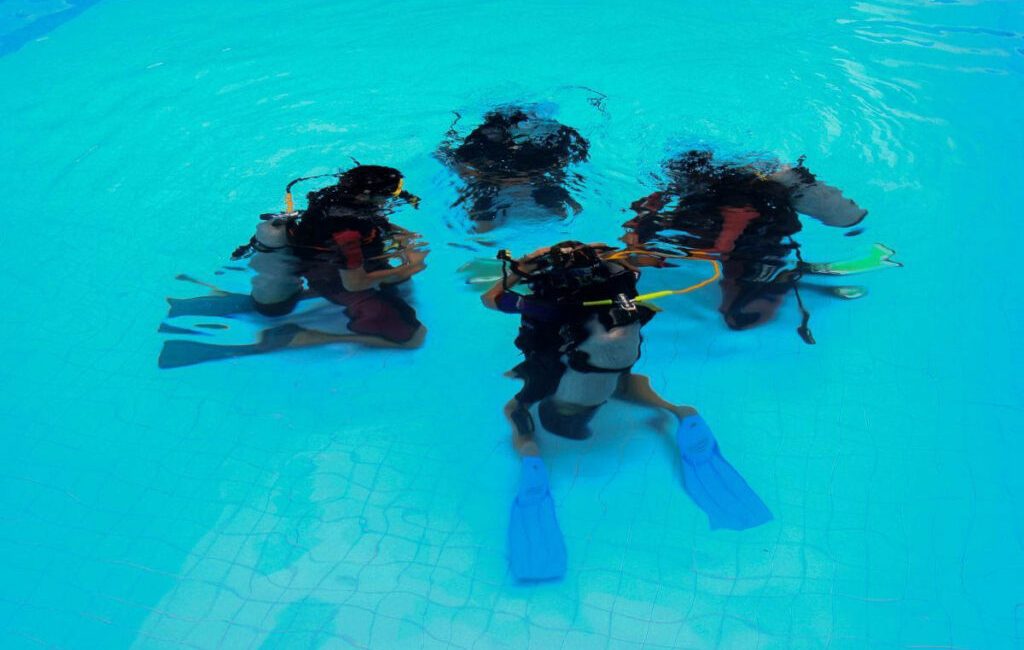
For many divers, time in the water is limited to vacations or seasonal trips. While those adventures are exciting, long breaks between dives can make it harder to maintain confidence and core skills. Understanding how year-round water practice benefits scuba enthusiasts can help divers stay prepared, comfortable, and ready for their next underwater experience.
Builds Better Buoyancy Control
Buoyancy is one of the most important scuba skills, but it requires regular practice. Spending time in the water throughout the year helps divers stay familiar with body positioning, breathing techniques, and smooth movement.
Even without full scuba equipment, practicing swimming, floating, and controlled movement reinforces habits that translate well to open-water diving. Developing these fundamentals outside of dive trips allows divers to spend less time readjusting and more time enjoying underwater exploration once they return to natural dive sites.
Improves Comfort in the Water
Confidence often comes from consistency. Divers who remain active in the water are less likely to feel anxious after long periods away from diving.
Regular water sessions help maintain comfort with breathing patterns, balance, and movement, making it easier to transition back to scuba training or recreational dives. Familiarity with being submerged also allows divers to stay calmer in changing conditions, so they can focus on dive planning and environmental awareness.
Keeps Physical Fitness Dive-Ready
Scuba diving is physically demanding, especially when entering the water, swimming against currents, or carrying equipment. Swimming throughout the year improves cardiovascular endurance, flexibility, and muscle strength, supporting safer and more enjoyable dives.
Maintaining general fitness can reduce fatigue, allowing divers to focus more on their surroundings than on physical exertion. Better endurance may also improve air consumption by encouraging more relaxed movement and controlled breathing throughout a dive.
Reinforces Good Water Habits
Frequent time in the water encourages awareness of proper technique and routine. Whether practicing efficient kicks or improving overall swimming ability, these habits contribute to better control underwater. A clean, well-maintained pool provides a dependable environment for regular scuba practice. Weekly pool maintenance is important because proper water care supports a safe and enjoyable swimming environment for ongoing dive training.
Routine practice sessions can also be used to reinforce pre-dive habits, such as equipment checks, controlled entries, and situational awareness. While these exercises cannot fully replicate open-water conditions, they help keep essential routines familiar between dive trips.
Makes Returning to Open Water Easier
Divers who stay active between trips spend less time regaining lost skills. Familiarity with water movement, breathing, and body control makes refresher sessions feel more natural and allows more time to enjoy the dive itself.
Whether preparing for a tropical vacation or a local dive excursion, consistent practice creates a smoother transition back into scuba activities. Maintaining water confidence can also make continuing education courses or specialty certifications feel more approachable because foundational skills remain fresh.
Final Thoughts
Knowing how year-round water practice benefits scuba enthusiasts goes beyond simply staying active. Consistent time in the water preserves essential diving skills, improves confidence, supports physical fitness, and makes every return to open-water diving more enjoyable. While nothing replaces real diving experience, regular water practice is an effective way to stay connected to the skills that make every dive safer and more rewarding.
THE SCUBA NEWS Link !
DemirHindiSG
31 Temmuz 2026-11:45
