
 Nöbetçi Eczaneler






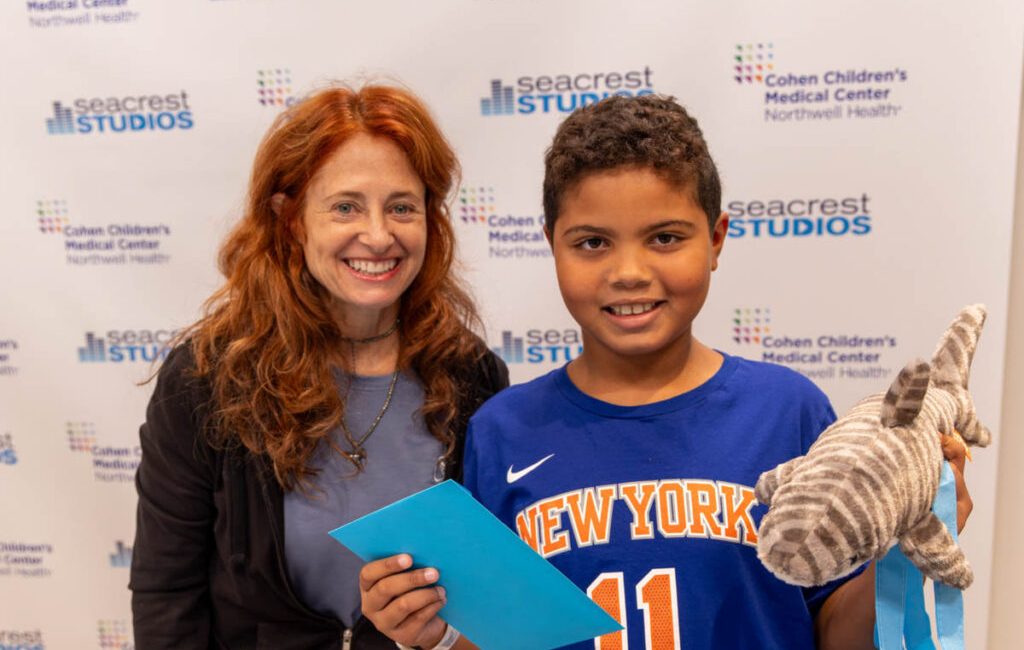
When Shark Angels Executive Director Jamie Pollack visited Cohen Children’s Medical Center of New York on 13 October, she hoped to give young patients a chance to escape the realities of hospital life for a little while.
Armed with underwater footage, shark stories, interactive quizzes and 50 symbolic shark adoptions funded by supporters, she arrived with a simple ambition: to introduce children to the fascinating underwater world she has spent years helping to protect.
What followed was an experience that went beyond the organisation’s traditional conservation and education work, offering moments of excitement, curiosity and comfort to children receiving hospital care.
The visit also fulfilled a personal ambition for Pollack, who had long wanted to bring the experience of discovering sharks to children unable to encounter them in their natural environment.
Bringing the Underwater World Into Hospital
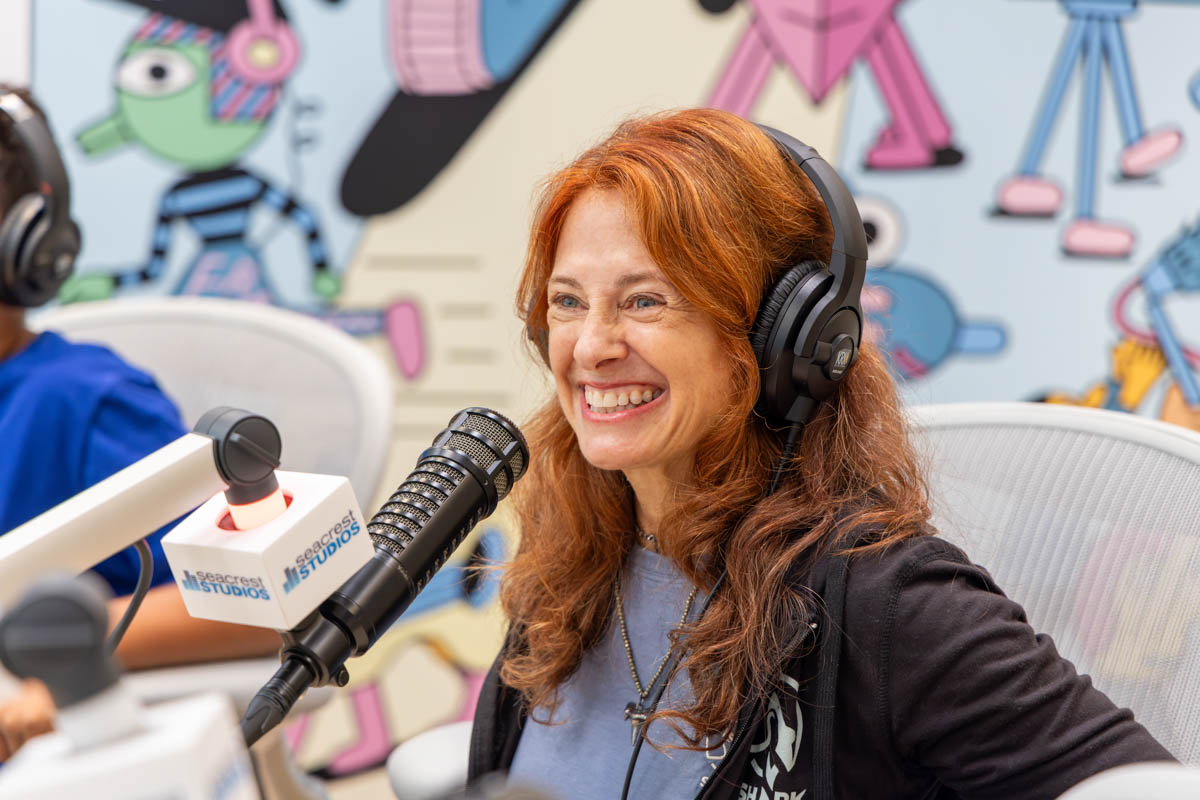
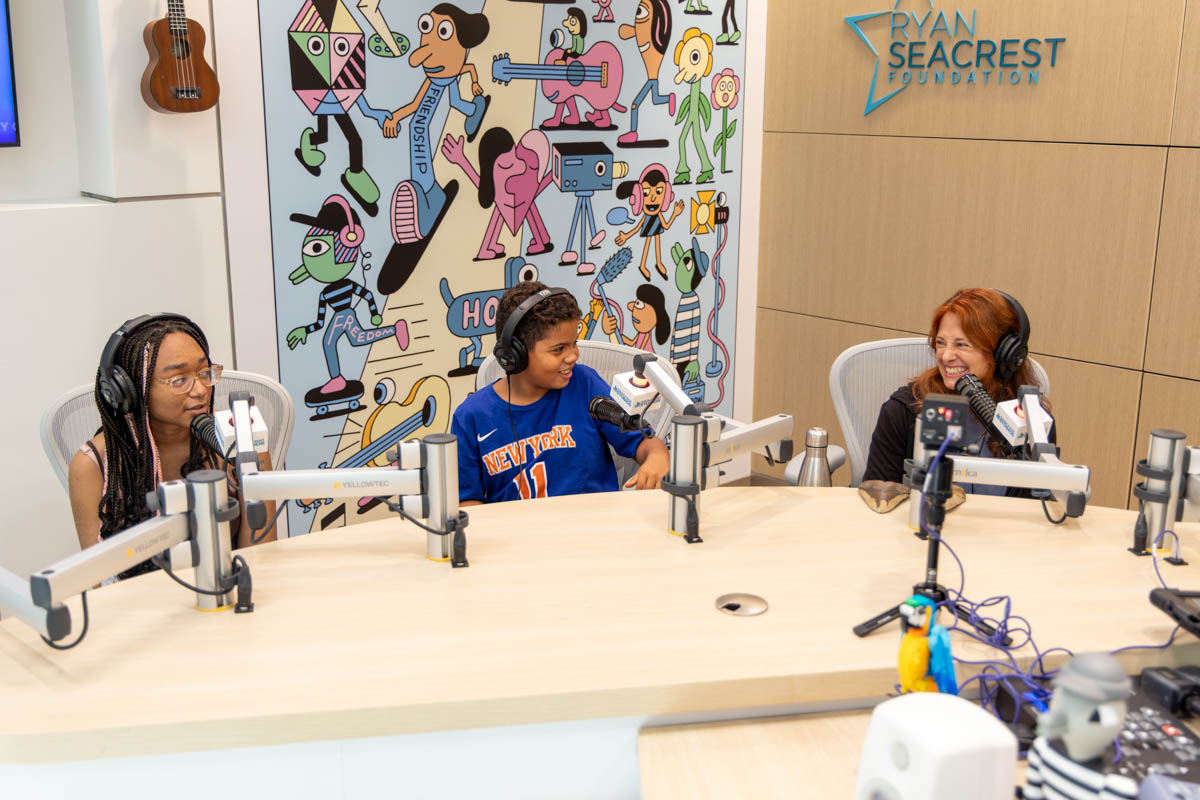
The session took place in the hospital’s Child Life and Creative Arts Therapies Department, using its Ryan Seacrest studio to connect with children both inside and outside the room.
More than a dozen children aged between four and fifteen participated in person, with others joining remotely from their hospital rooms.
For approximately an hour, they watched underwater footage, learned about sharks and took part in interactive quizzes designed to challenge familiar misconceptions about these often misunderstood animals.
According to Pollack, the children were enthusiastic participants, asking questions about everything from the importance of sharks to marine ecosystems to why shark bites sometimes occur.
One young participant was initially frightened of sharks but became increasingly interested as the session progressed.
For an organisation whose educational programmes seek to replace fear with understanding, it was a particularly fitting moment.
Fifty Shark Adoptions, One Memorable Afternoon
The educational presentation was only part of the experience.
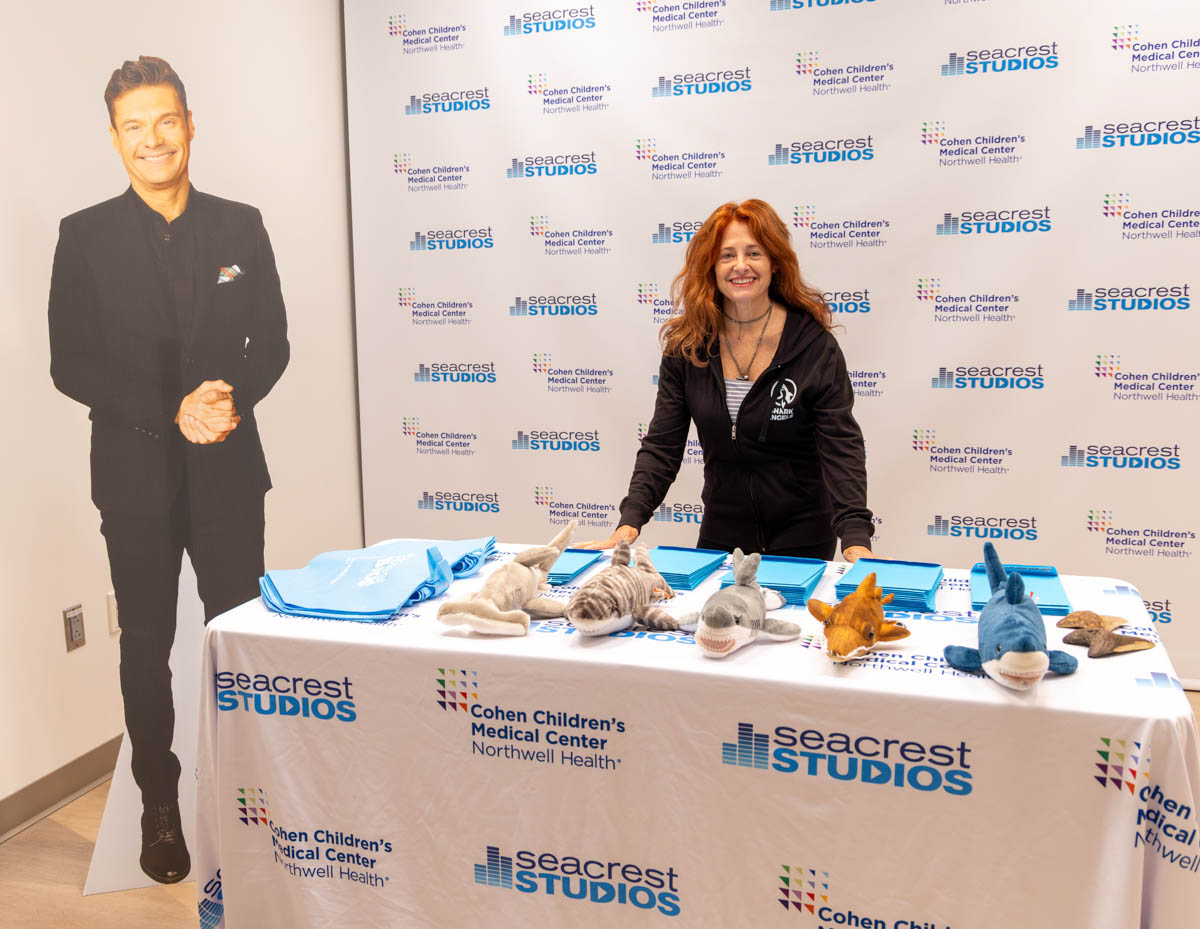
With help from donors who supported the Shark Angels hospital initiative, Pollack brought 50 symbolic shark adoptions for the children.
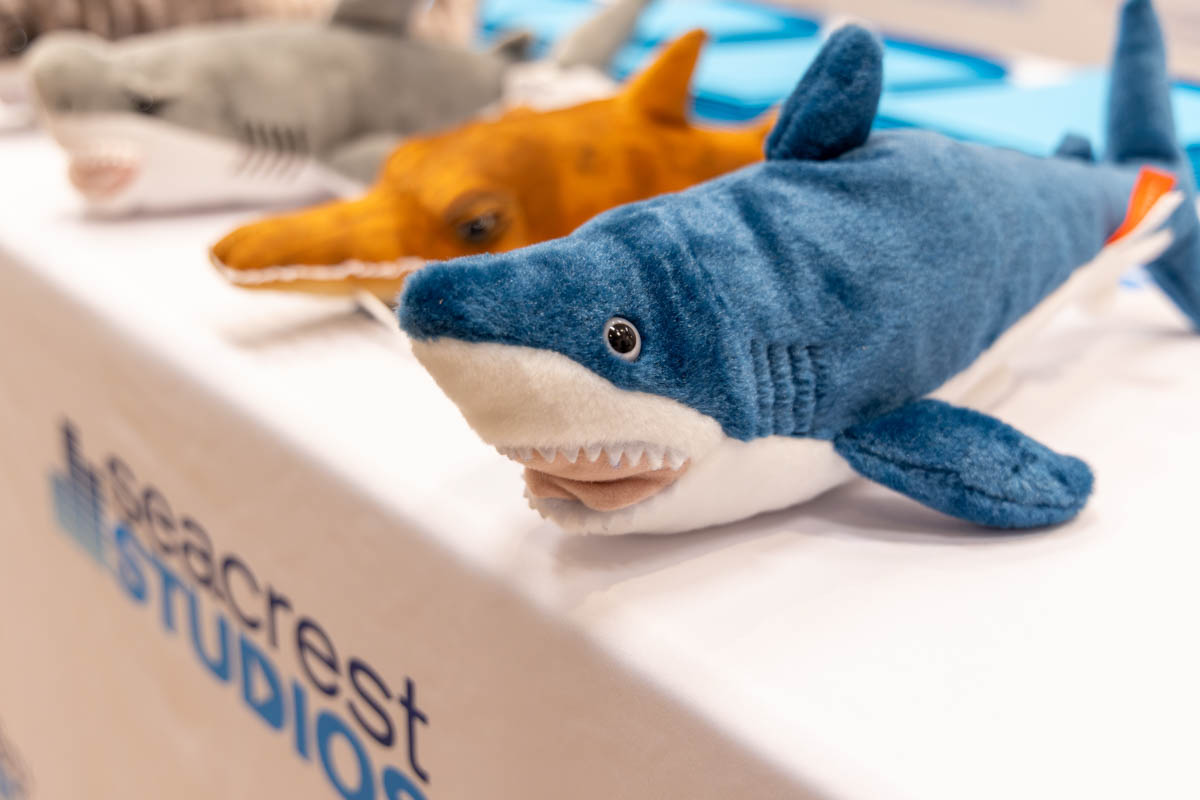
The selection included sawsharks, great whites, hammerheads, makos and tiger sharks, allowing each child attending to choose a favourite.
Some were already considering names for their new shark companions, with plans for the names to be added to the organisation’s Shark Wall as Shark Ambassadors.
For several children, the opportunity to select a shark provided an additional reason to leave their hospital rooms and participate in the activities.
Pollack recalled that some young patients who had not left their rooms for several days came down with their mothers because they were excited by the prospect of learning about sharks and choosing one of their own.
A Little Girl and Her Mako Shark
Among the moments Pollack remembered most clearly was an encounter with a young girl, approximately four years old, who was receiving treatment through an intravenous line.
When the time came to choose a shark, the girl selected a mako and immediately held it close.
Pollack described watching her embrace the shark as an emotional reminder of why the project mattered.
The original ambition had been to give children something comforting to keep with them during difficult days in hospital. Seeing that response made the value of the initiative especially clear to her.
Although the event lasted only an hour, the symbolic adoptions meant the children could take a reminder of the experience back to their rooms.
When Sharks Give Something Back
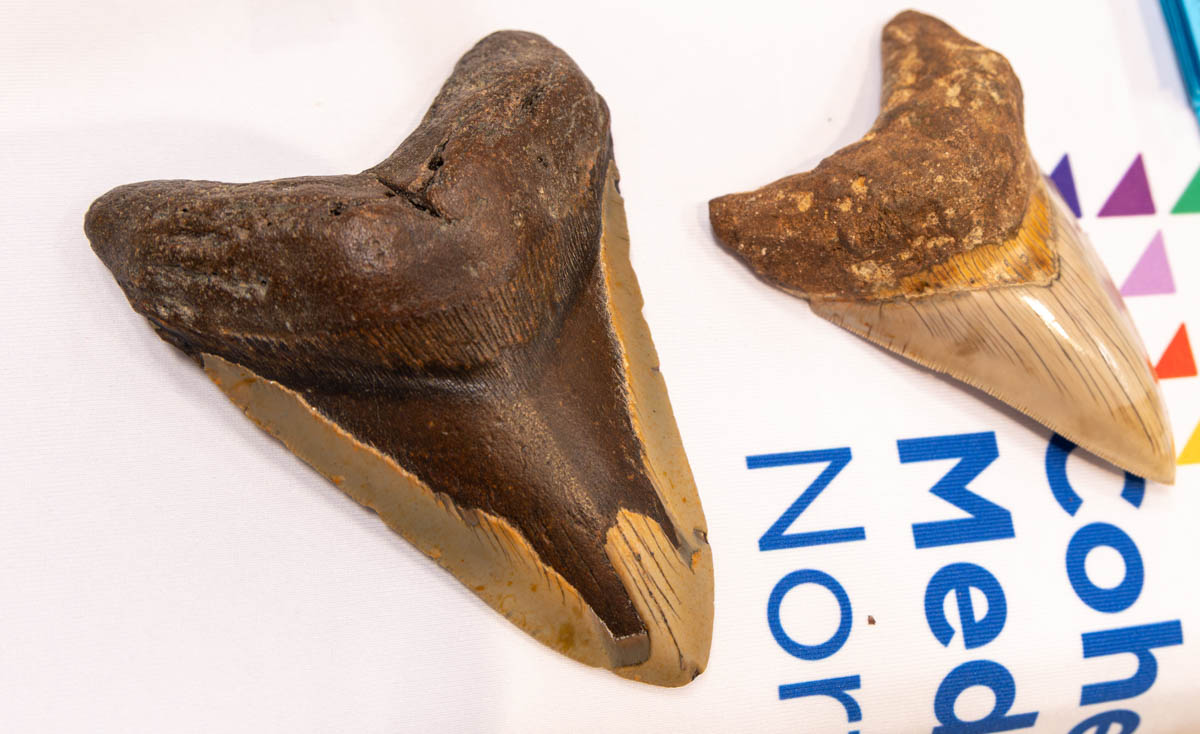
Shark Angels is best known for encouraging people to protect sharks through education, advocacy and conservation.
This hospital visit demonstrated another dimension of that work.
Instead of asking people to do something for sharks, the organisation was able to use its connection with these animals to offer something meaningful to people.
The programme brought together marine education, community support and the simple enjoyment of discovering something new.
It also highlighted how shark education can reach audiences far beyond the diving community.
Children who may never have encountered a shark outside a film or television programme were able to learn about their behaviour, ecological importance and extraordinary diversity.
For those who began the session feeling apprehensive, it offered an opportunity to see sharks differently.
A Promise Fulfilled
The Scuba News first reported on the planned hospital visit in September, when Pollack was preparing to turn a long-held ambition into reality.
Following the event, she shared a detailed account with donors who had helped make the symbolic adoptions possible, explaining how the children’s responses had exceeded her expectations.
Her message expressed particular gratitude for the supporters who helped provide the 50 sharks and make the educational session possible.
For Shark Angels, the visit offered another example of the organisation’s wider mission to turn fear into fascination.
For the children at Cohen Children’s Medical Center, it was an opportunity to discover a different world, ask questions, enjoy a new experience and leave with a shark companion of their own.
Further information about the organisation’s marine education and conservation work is available through Shark Angels.
THE SCUBA NEWS Link !
DemirHindiSG
01 Kasım 2026-21:12
