
 Nöbetçi Eczaneler





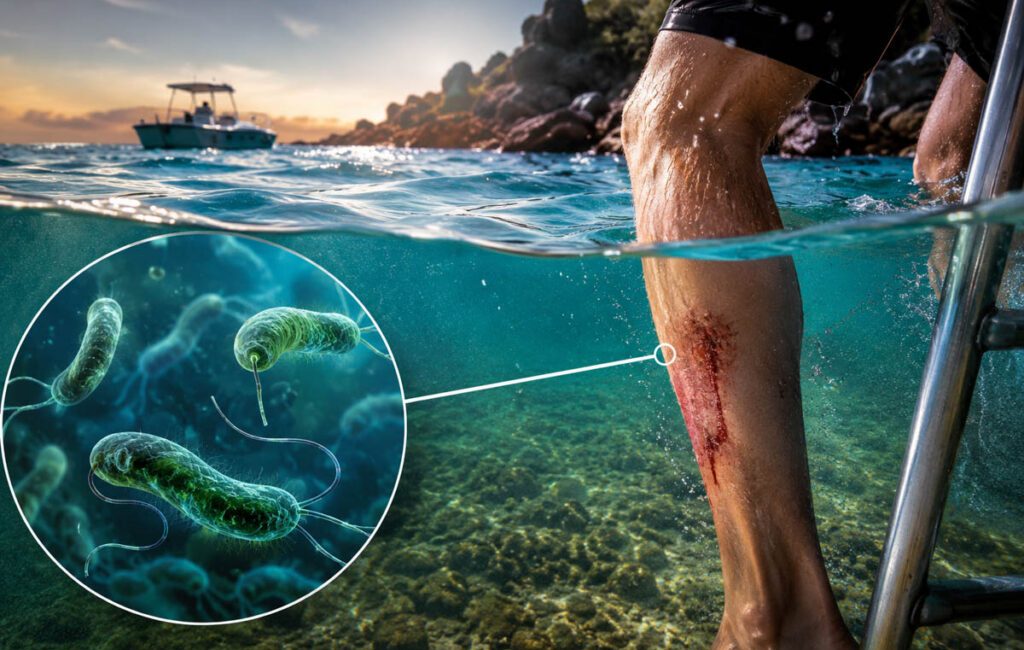
Louisiana health officials are warning residents and coastal water users after nine people have contracted Vibrio vulnificus so far this year, with five deaths reported. All nine cases involved wounds exposed to seawater.
The Louisiana Department of Health (LDH) is urging people to take precautions around salt and brackish water following an unusually severe run of Vibrio vulnificus infections.
According to LDH data current through August 5, nine Louisiana residents have been diagnosed with Vibrio vulnificusinfection in 2026. Five of those patients have died, while all nine required hospitalization.
The figures are notable compared with Louisiana’s historical experience. During the same period over the previous 10 years, the state recorded an average of approximately seven cases and one death per year.
Every case involved seawater exposure
For divers, swimmers, boaters and other people who spend time in coastal waters, one detail of the latest figures is particularly important.
All nine cases reported in Louisiana this year involved wounds exposed to seawater. All nine patients also had underlying health conditions.
Vibrio vulnificus occurs naturally in warm coastal and brackish waters. Infection can occur when the bacterium enters the body through an open wound.
That doesn’t mean that simply entering seawater makes someone likely to become infected. Rather, the combination of an open wound and exposure to contaminated salt or brackish water represents an important route of infection.
The bacteria are particularly relevant during the warmer months, when Vibrio is more commonly found in coastal waters.
Why is Vibrio vulnificus dangerous?
Vibrio vulnificus infections can produce gastrointestinal illness, wound infections and bloodstream infections.
In severe cases, wound infections can progress rapidly and cause necrotizing soft-tissue infection, sometimes requiring intensive medical treatment or surgical removal of affected tissue. The infection can be fatal, particularly among people with certain underlying health conditions.
LDH states that approximately one in five people with a Vibrio vulnificus infection dies, with severe illness potentially progressing extremely rapidly.
People at increased risk of severe infection include those with conditions such as liver disease, diabetes, cancer, HIV or thalassemia, as well as people receiving immune-suppressing treatment.
What should divers and swimmers do?
The advice from Louisiana health officials is straightforward.
If you have an open wound, stay out of salt or brackish water.
That includes wounds from:
- Cuts and scrapes
- Recent surgery
- Piercings
- Other breaks in the skin
If contact with coastal water is unavoidable, LDH recommends covering wounds with a waterproof bandage.
Anyone who believes a wound may have been exposed should wash it thoroughly with soap and clean water.
For divers, this is a particularly practical precaution. Small cuts and abrasions are easy to overlook, particularly after handling equipment, climbing ladders, walking over rocky shorelines or boarding boats.
A seemingly minor wound should not automatically be regarded as insignificant simply because it is small.
Don’t ignore a wound that changes after seawater exposure
Anyone who develops signs of infection after seawater exposure should seek medical attention promptly.
Early symptoms of a wound infection can include redness, swelling and pain around the affected area. Severe Vibrio vulnificus infections can progress quickly, making prompt medical assessment important.
The risk is not restricted to people entering the water.
Vibrio vulnificus can also cause illness after eating raw or undercooked seafood, particularly oysters. However, the Louisiana cases reported so far in 2026 have all been associated with wound/seawater exposure.
A warning, not a reason to fear the ocean
The Louisiana figures are serious, but they should also be put into context.
Vibrio vulnificus is a naturally occurring marine bacterium, rather than a new organism suddenly appearing in coastal waters. The current concern is the unusually high severity of the cases reported in Louisiana this year, rather than evidence that seawater in general has suddenly become unsafe.
For divers and other ocean users, the most sensible precaution is therefore not to avoid the sea altogether, but to avoid entering salt or brackish water with an open wound, protect vulnerable skin and take any developing infection seriously.
Louisiana health officials say they will continue publishing weekly Vibrio vulnificus case data.
Source: Louisiana Department of Health
THE SCUBA NEWS Link !
DemirHindiSG
09 Ağustos 2026-13:36
