 Nöbetçi Eczaneler




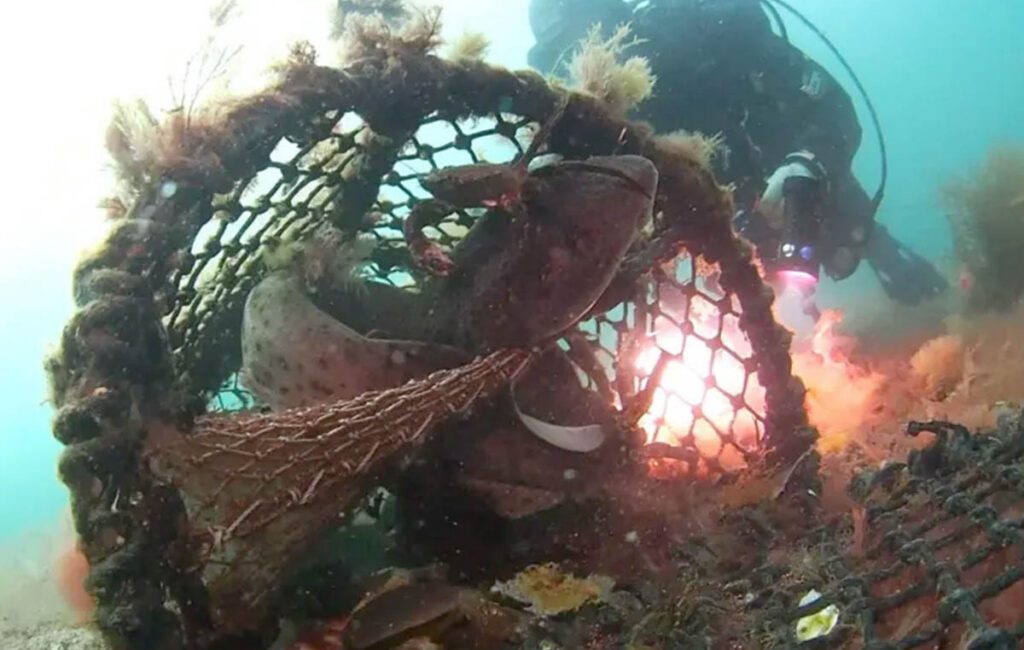
Two bull huss have been rescued after divers discovered the sharks trapped inside a lost crab pot off the Cornish coast.
The incident happened during a dive involving Matt Slater, a Marine Conservation Officer with Cornwall Wildlife Trust, who was diving with a friend as part of work monitoring marine habitats in the area.
According to local reporting, the divers encountered the two bull huss inside the abandoned fishing gear and were able to release them from the pot, preventing the animals from remaining trapped on the seabed.
Bull huss, also known as greater-spotted catsharks or nursehounds, are a member of the shark family and are found around the rocky seabed and coastal waters of southwest Britain. Cornwall Wildlife Trust identifies bull huss among the marine wildlife associated with the region’s important maerl habitats.
A vulnerable seabed habitat
The divers were carrying out monitoring work connected with maerl, a slow-growing form of calcareous red algae that creates complex seabed habitats for a wide range of marine species.
Maerl beds are particularly important around Cornwall. Cornwall Wildlife Trust describes the beds around Falmouth as among the largest and healthiest in England, with the habitat providing shelter and feeding grounds for numerous marine animals. Matt Slater has previously written about the ecological importance of these habitats and their exceptionally slow growth.
The wider area is also recognised as important habitat for bull huss. Cornwall Wildlife Trust has identified the species as one of the marine animals that can benefit from conservation and nature recovery work in Cornwall’s coastal waters.
The problem of lost fishing gear
The rescue also highlights one of the less visible dangers facing marine wildlife: fishing gear that has been lost or abandoned at sea.
Crab pots can continue to function after becoming detached from their lines or otherwise being lost. Animals entering the gear can become trapped, potentially creating a cycle in which marine life is caught without the gear being actively tended.
For the two bull huss discovered off Cornwall, the intervention by the divers provided a way out.
Bull huss are generally associated with the seabed and can grow to around 1.6 metres in length. They feed on animals including molluscs, crabs and smaller fish. The species is considered harmless to divers and is a recognised part of Cornwall’s coastal marine ecosystem.
The successful rescue is a reminder that recreational and conservation diving can provide more than an opportunity to observe marine life. Divers are often among the first people able to identify problems beneath the surface, including lost fishing equipment and its impact on wildlife.
In this case, two bull huss encountered a potentially serious threat on the seabed and were fortunate that divers were there to find them.
THE SCUBA NEWS Link !
DemirHindiSG
16 Ağustos 2026-18:35
