
 Nöbetçi Eczaneler





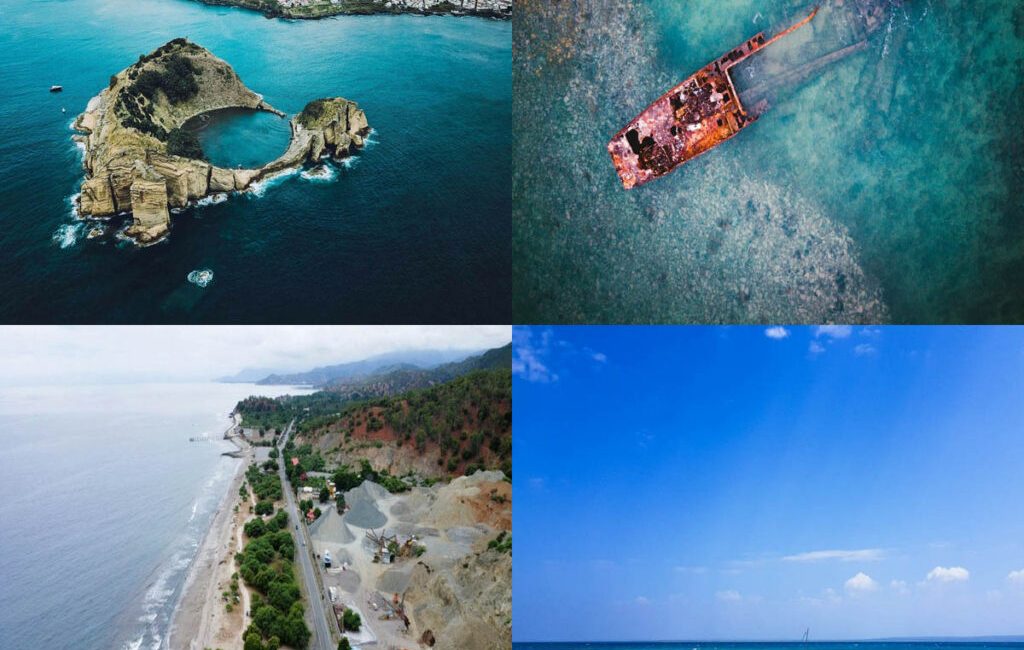
Every year, the same names dominate dive travel wish lists. Raja Ampat, the Maldives, the Great Barrier Reef and the Red Sea remain extraordinary, but their popularity often masks quieter destinations delivering equally compelling underwater experiences without the crowds, inflated prices, or overworked reefs. As divers plan ahead for 2026, a growing number are deliberately looking beyond the obvious, seeking places where biodiversity is high, diving infrastructure is improving, and the sense of discovery is still intact.
What follows is not a list of unknown locations, but a curated selection of destinations that remain consistently overlooked despite strong scientific, environmental, and experiential credentials. Each has authoritative backing, improving accessibility, and clear reasons why 2026 may be the ideal time to visit.
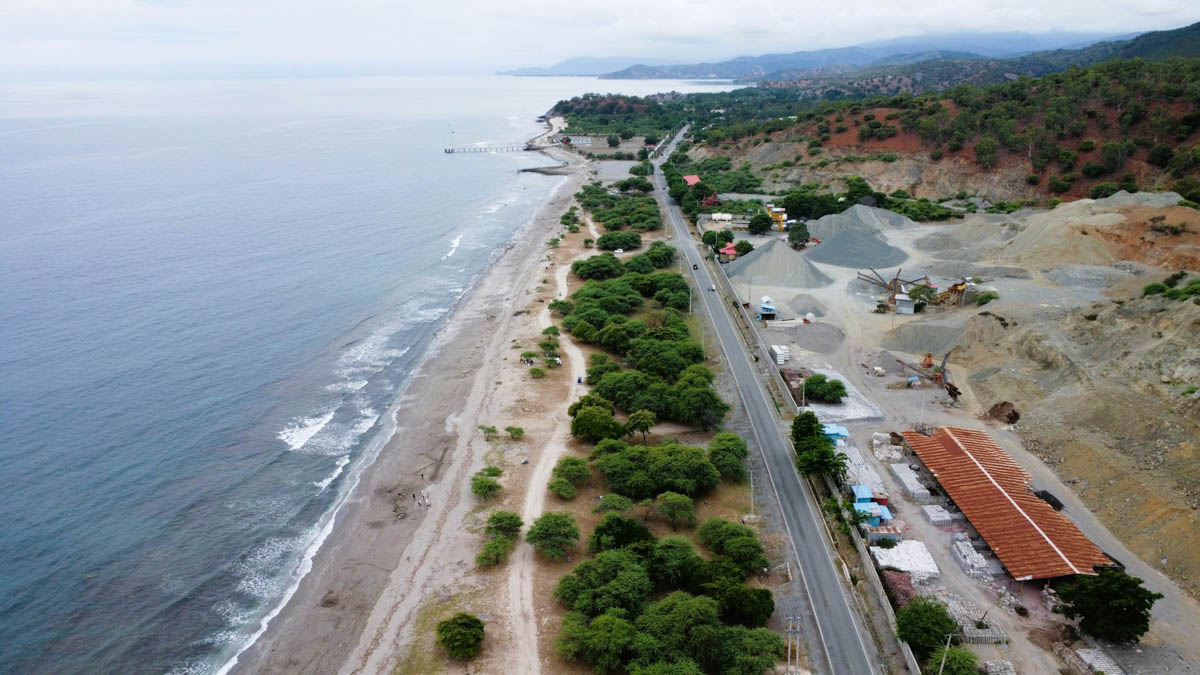
Photo by Jaime Gusmao on Unsplash
Timor-Leste
Often described by marine biologists as one of the most intact reef systems left in the Coral Triangle, Timor-Leste remains largely absent from mainstream dive marketing. Surveys conducted under the Coral Triangle Initiative, supported by the Coral Triangle Initiative on Coral Reefs, Fisheries and Food Security, have documented exceptionally high coral cover and fish biomass along the country’s north coast, particularly near Atauro Island.
What makes Timor-Leste stand out is the combination of biodiversity and simplicity. Shore dives regularly drop into deep water within minutes, currents bring nutrient-rich upwellings, and encounters with pygmy seahorses, rhinopias, and schooling pelagics are routine rather than rare. According to conservation reporting published by Conservation International, local community-led marine protection has played a significant role in keeping reefs healthy despite minimal enforcement infrastructure.
For divers willing to trade luxury for authenticity, Timor-Leste offers a rare glimpse of what Indo-Pacific reefs looked like before mass tourism arrived.
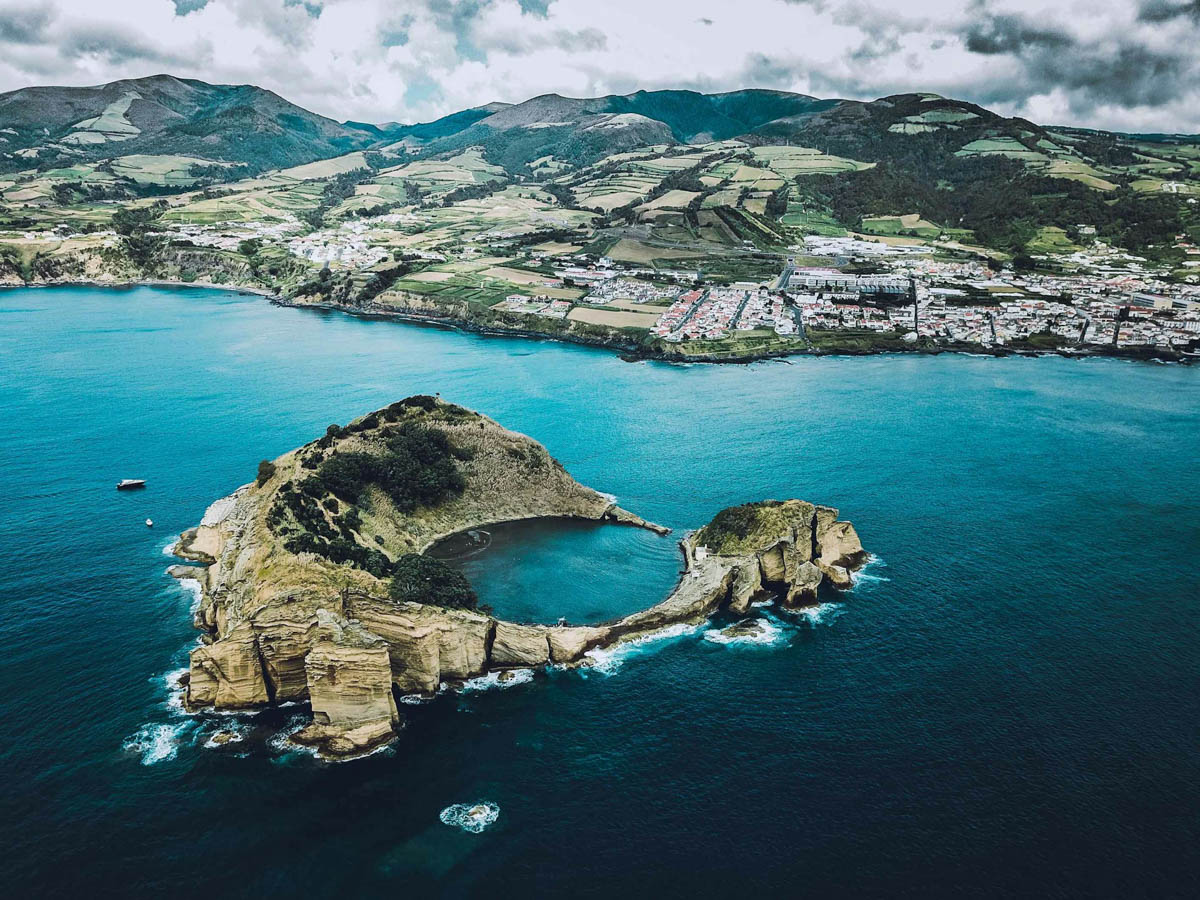
Photo by Ferdinand Stöhr on Unsplash
The Azores, Portugal
Cold-water diving still suffers from an outdated reputation, yet the Azores continue to redefine what temperate Atlantic diving can deliver. Located at the meeting point of three tectonic plates, the archipelago sits in a migratory corridor for large pelagic species, a fact well documented by long-term research from the Okeanos Açores Marine Observatory.
The region’s offshore seamounts, including Condor Bank and Princess Alice Bank, are globally recognised aggregation sites for mobula rays, blue sharks, and tuna, with seasonal sightings of whale sharks and sperm whales. Many of these areas benefit from protection under the OSPAR Convention, which designates large sections of the North Atlantic as marine protected areas.
For experienced divers seeking big-animal encounters in clear blue water, with strong environmental oversight and relatively low diver density, the Azores remain one of Europe’s most underappreciated options heading into 2026.
Alor, Indonesia
Indonesia is hardly underrated as a dive destination, but Alor continues to live in the shadow of its better-known neighbours. Situated east of Flores, Alor sits outside the typical Komodo–Bali travel loop, yet research highlighted by The Nature Conservancy Indonesia confirms the region as one of the most species-rich marine environments in the country.
What sets Alor apart is contrast. Exposed sites deliver adrenaline-fuelled drift dives with schooling hammerheads and dogtooth tuna, while sheltered bays offer world-class muck diving with rare cephalopods and flamboyant cuttlefish. Strong tidal exchanges, documented in regional oceanographic studies published through NOAA’s Coral Reef Conservation Program, contribute to both productivity and visibility.
Infrastructure remains low-key rather than underdeveloped, making Alor ideal for divers who value reef health and biodiversity over nightlife and convenience.
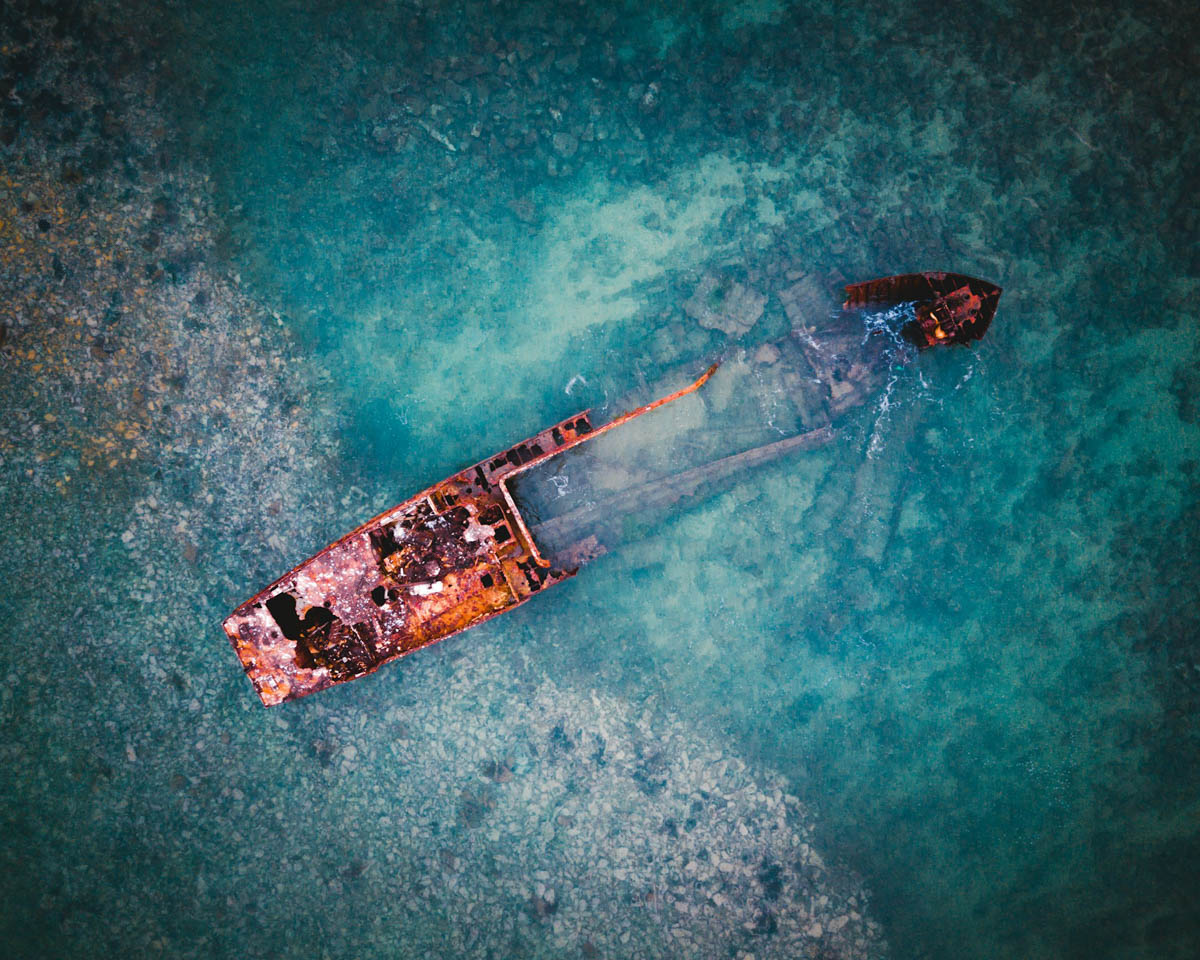
Photo by João Ferreira on Unsplash
São Tomé and Príncipe
This small island nation in the Gulf of Guinea is one of Africa’s least visited countries, and its underwater environment reflects that isolation. Marine biodiversity surveys referenced by UNESCO’s Biosphere Programme highlight healthy reef systems, nesting sea turtles, and seasonal whale activity in surrounding waters.
Diving here is exploratory by nature. Reefs are largely unmapped, encounters with large groupers and rays are frequent, and fishing pressure remains low compared to many West African coastal regions. Conservation initiatives supported by WWF Central Africa have focused on sustainable fisheries and habitat protection, indirectly benefiting dive tourism without actively promoting it.
São Tomé and Príncipe will not appeal to divers seeking polished resort experiences, but for those motivated by discovery and conservation-led travel, it represents one of the Atlantic’s last genuine frontiers.

Southern Mozambique
While the Bazaruto Archipelago receives some recognition, much of southern Mozambique remains quietly exceptional and surprisingly uncrowded. Long-term monitoring by the Mozambique Coral Reef Monitoring Programme has recorded stable reef conditions and consistent megafauna sightings, particularly manta rays, whale sharks, and seasonal humpback whales.
What makes this region especially relevant for 2026 is improving accessibility combined with increasing marine protection. Expansion of protected zones within the Bazaruto Archipelago National Park has strengthened habitat resilience while still allowing controlled dive tourism.
Diving here blends reef exploration with pelagic action, often in warm water with excellent visibility, and without the saturation seen in more heavily marketed Indian Ocean destinations.
Why These Destinations Matter
Underrated does not mean undeveloped, unsafe, or inferior. In many cases, it means ecosystems that have avoided the pressures associated with mass tourism, destinations where local communities still shape how diving evolves, and places where conservation outcomes remain measurable rather than symbolic.
For 2026, these locations share several traits. They are supported by credible scientific or conservation organisations, they offer consistently high-quality diving experiences, and they sit at a pivotal moment where thoughtful tourism can reinforce protection rather than undermine it.
For divers willing to look beyond the familiar, the rewards are significant. Fewer bubbles, healthier reefs, and the increasingly rare feeling that you are seeing something before the rest of the world catches on.
THE SCUBA NEWS Link !
DemirHindiSG 04 Şubat 2026-12:35