
 Nöbetçi Eczaneler





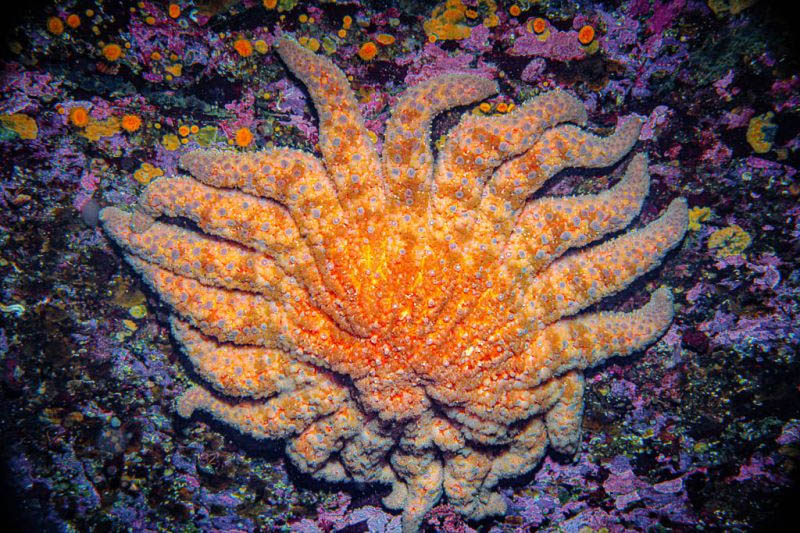
A newly characterized strain of Vibrio pectenicida has emerged as the leading suspect in sea star wasting syndrome (SSWS), a condition marked by rapid dermal lesions, tissue necrosis, limb autotomy, and eventual disintegration. For years, the syndrome’s origin remained unresolved, with hypotheses ranging from viral pathogens to environmental stressors. The new findings provide the strongest microbial evidence to date that a specific Vibrio lineage is directly pathogenic to multiple sea star species.
Among the most severely affected was the sunflower sea star (Pycnopodia helianthoides), a keystone predator whose population collapsed by an estimated 90% or more across its range. As one of the largest and most mobile sea star species, Pycnopodia played a central role in regulating urchin populations. Its disappearance has been directly linked to the proliferation of purple sea urchins and the subsequent decline of kelp forests in several regions… a cascading ecological shift that continues to reshape coastal ecosystems.
The identification of V. pectenicida as a primary pathogen offers a crucial breakthrough, but it also raises new questions about environmental cofactors. Vibrio species are known to proliferate in warmer, low‑oxygen, and nutrient‑altered waters… conditions increasingly common in a changing climate. Understanding how ocean warming, microbial dynamics, and host susceptibility intersect will be essential for predicting future outbreaks and assessing the resilience of affected species, including the critically imperileld Pycnopodia.
Solving the pathogen mystery is a major step forward, but it underscores a broader reality: marine disease events are becoming more frequent, more complex, and more tightly linked to environmental change. Continued monitoring, genomic surveillance, and
will be vital to understanding the long‑term consequences of this event… and to determining whether species like the sunflower sea star can recover.
Follow Jett @ Facebook, Twitter, LinkedIn and Instagram
THE SCUBA NEWS Link !
DemirHindiSG 29 Ocak 2026-13:15