
 Nöbetçi Eczaneler





As winter approaches, why not swap cold mornings for warm water, vibrant coral reefs, and days spent exploring beneath the surface? December offers excellent diving in several tropical destinations, whether you are drawn to big-animal encounters, colorful reefs, dramatic underwater landscapes, or relaxed resort diving. Some regions enter their dry season, while others offer seasonal opportunities to encounter fascinating marine life. With Christmas and New Year bringing peak travel demand, planning ahead is especially worthwhile. Here are six destinations to consider for your next winter dive escape.
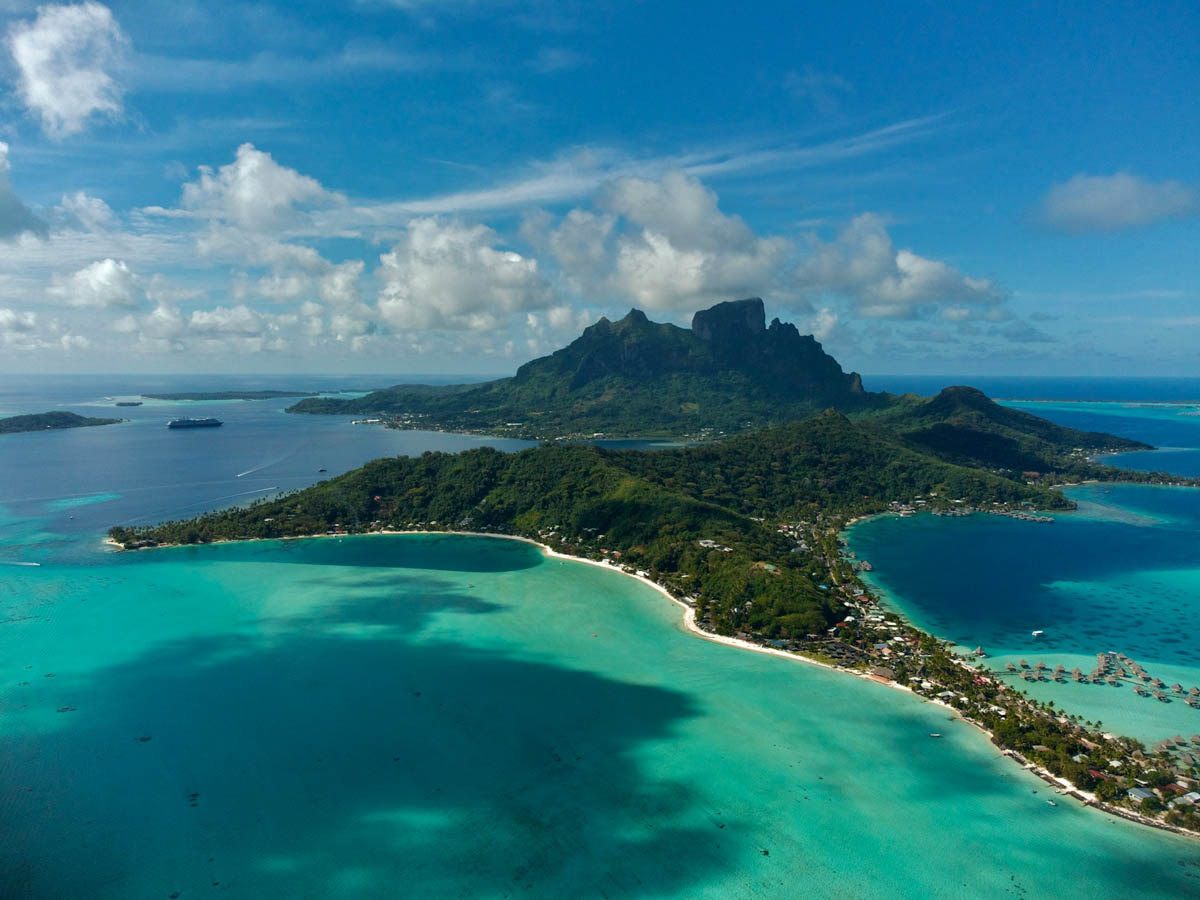
Photo by Tom Donders on Unsplash
1. French Polynesia: Sharks and Spectacular Passes
French Polynesia offers warm, crystal-clear water and thrilling dives around its remote Pacific islands. In Rangiroa and Fakarava, currents rush through narrow passes, drawing gray reef sharks, barracuda, and huge schools of fish. December marks the beginning of summer in the Southern Hemisphere, and Rangiroa offers the chance to encounter great hammerhead sharks during the warmer months.
Expect water temperatures of around 27–29°C (81–84°F), with visibility sometimes reaching 25–45 meters (82–148 feet). Those spectacular underwater views come with a challenge. Diving through the passes means navigating strong currents and carefully timing your entry and exit. Less experienced divers may feel more comfortable exploring sheltered reefs with a local guide before venturing into stronger currents. The SSI Waves, Tides & Currents Specialty helps divers better understand changing water conditions.
Reaching French Polynesia takes time and comes at a price, especially when your journey includes flights between islands. Booking flights and accommodations together can make travel planning easier, but be sure to allow plenty of time between connections.
Who it suits: Experienced divers seeking sharks, strong-current adventures and remote Pacific scenery.

Photo by Roberto Nickson on Unsplash
2. Maldives: Warm Water and Big Marine Life
December marks the arrival of the northeast monsoon in the Maldives, usually bringing drier weather and clearer underwater views. Water temperatures stay comfortably warm at around 27–29°C (81–84°F), with visibility often reaching 20–30 meters (66–98 feet). Conditions can vary from one atoll to another.
The diving is wonderfully varied. In the channels, reef sharks and eagle rays glide through the water as schools of fish swirl around them, while underwater pinnacles known locally as thilas are covered in colorful corals and bustling reef life. Around South Ari Atoll, you may even encounter whale sharks throughout the year, although sightings are never guaranteed. Manta activity varies by location and season, so plan your itinerary around the encounters you would most love to experience.
A liveaboard lets you explore several atolls on one trip. If you prefer a slower pace or are traveling with non-diving companions, a resort with its own house reef is a great alternative. Holiday prices are the main drawback. Christmas and New Year trips can sell out months in advance, with festive surcharges and minimum-stay requirements driving up costs.
Who it suits: Divers who want warm water, varied marine life and the option of either a liveaboard or a comfortable resort stay.
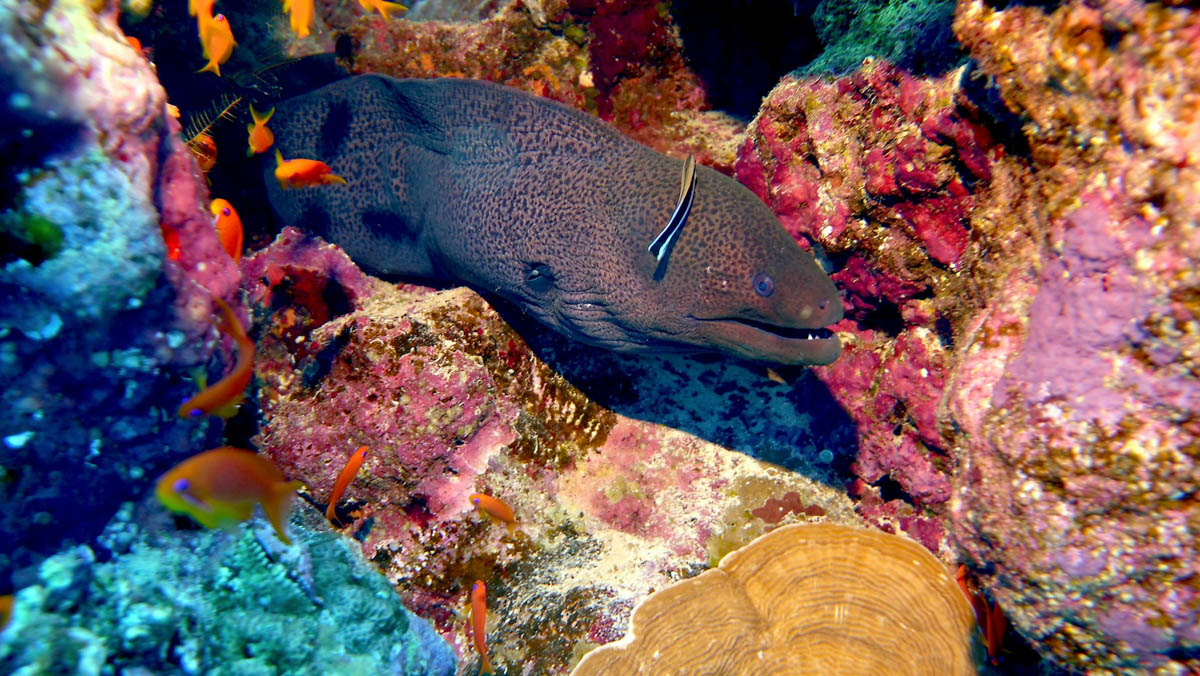
Photo by geoff trodd on Unsplash
3. Egypt’s Red Sea: Winter Diving Without the Tropical Price Tag
For UK divers looking for a shorter journey without stretching their budget, Egypt’s Red Sea is an appealing December escape. The water is cooler than in the tropics, typically around 22–24°C (72–75°F), but excellent visibility reveals colorful reefs teeming with marine life.
Hurghada and Sharm El Sheikh offer easy access to colorful coral gardens and dive sites for different experience levels. More adventurous divers can head offshore on a liveaboard to explore vibrant reefs and famous wrecks. Winter winds can occasionally disrupt these exposed routes, so some flexibility is worth keeping in mind. For those drawn to exploring sunken vessels, the SSI Wreck Diving Specialty helps develop the skills needed to navigate wreck sites with greater awareness and control.
Pack the right thermal protection. A 5–7 mm wetsuit may be suitable, depending on how easily you get cold and how many dives you plan each day. Once you are back on the boat, cooler air and wind can leave you shivering between dives.
December can be quieter than the busy summer months, especially before the Christmas rush. When comparing dive packages, look beyond the advertised price and check whether equipment rental, marine park fees, transfers, and meals are included.
Who it suits: Budget-conscious divers, wreck enthusiasts and anyone wanting excellent reef diving without an exceptionally long flight.
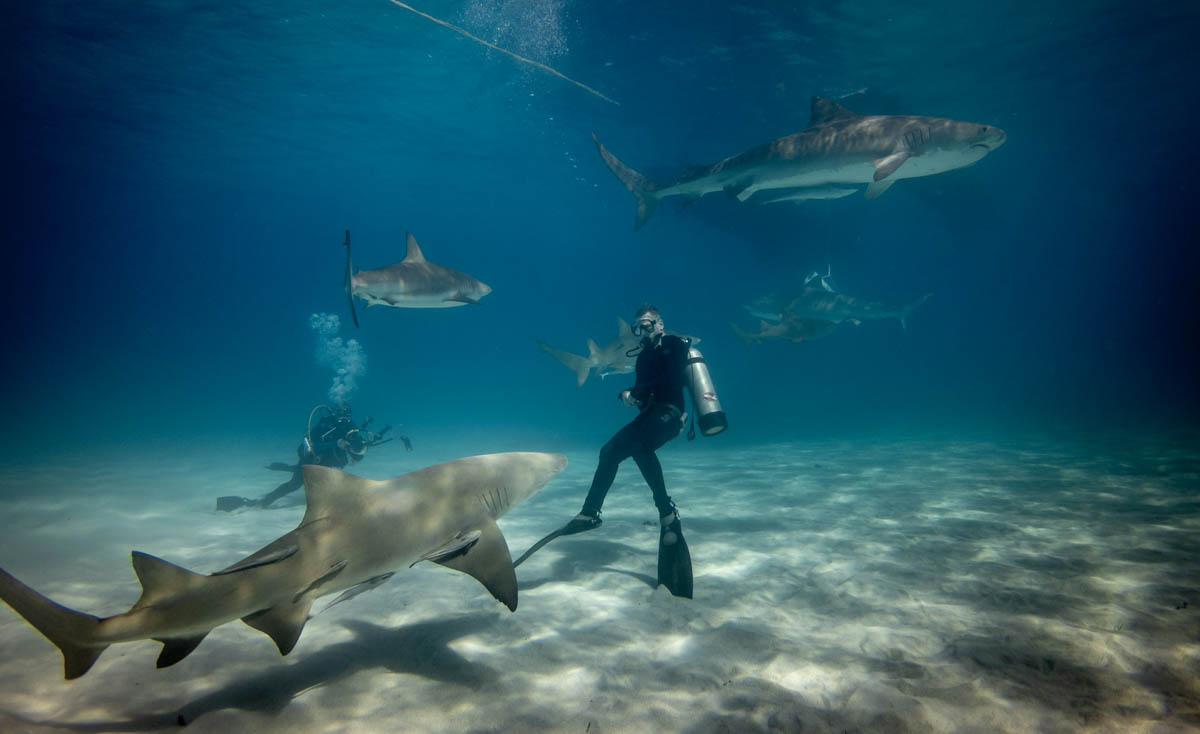
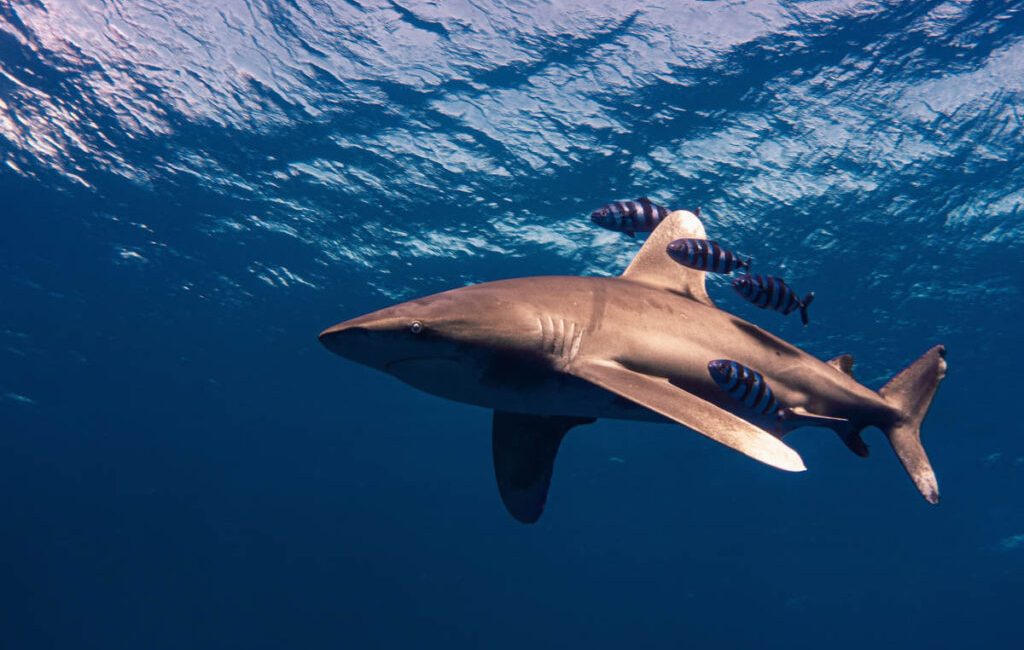
Photo by Gerald Schömbs on Unsplash
4. The Bahamas: Clear Water and Shark Encounters
The Bahamas welcomes divers with warm Caribbean waters, white-sand beaches, and underwater views stretching far into the blue. December usually brings drier weather, but occasional cold fronts can stir up winds and rough seas. Water temperatures typically hover around 24–26°C (75–79°F).
Grand Bahama is famous for shark encounters, with tiger sharks appearing at specialized dive sites. Across the other islands, divers can explore colorful coral reefs, dramatic walls, and deep blue holes. Each island offers a different underwater experience, so choose your destination based on the diving you enjoy most rather than assuming every resort offers access to the same sites.
A 3–5 mm wetsuit is a good starting point, especially if you plan several dives a day. For shark encounters, choose an experienced local operator and pay close attention to the briefing. When they swim nearby, stay calm and keep your movements slow and predictable.
Demand picks up toward the holidays, and winter weather can occasionally cancel boat trips. If you have a particular dive in mind, leave a spare day in your itinerary in case the weather turns.
Who it suits: Caribbean lovers, underwater photographers and divers interested in sharks, walls and exceptionally clear water.

Photo by Manny Moreno on Unsplash
5. Great Barrier Reef, Australia: Summer on the Reef
December brings summer to Australia, with warm tropical waters inviting divers to explore the Great Barrier Reef. Water temperatures can reach around 28–30°C (82–86°F), and underwater visibility changes with location, tides, rainfall, and recent weather.
Departures from Cairns and Port Douglas take divers to colorful coral gardens, where turtles swim past, reef sharks patrol, and schools of tropical fish dart between the corals. Day boat trips are ideal if you are short on time. For more remote sections of the reef and extra dives, a liveaboard is a great choice.
December also marks the start of the hotter, wetter season, when heavy rainfall, tropical storms, and marine stingers can disrupt dive plans. Local operators provide safety guidance, including advice on protective suits when needed. Even in the height of summer, the sea can turn rough, so be prepared for changing conditions.
Book early if you plan to travel during Australian school holidays or over Christmas. When choosing between day trips and liveaboards, consider how many dives you want to enjoy rather than simply comparing the length of each trip.
Who it suits: Reef enthusiasts, underwater photographers and travelers who want to combine diving with Australia’s wider outdoor adventures.

Photo by Hiroko Yoshii on Unsplash
6. Palau: Pristine Reefs and Thrilling Drift Diving
Palau is a spectacular December destination for divers drawn to steep reef walls, sharks, and nutrient-rich currents sweeping along the reefs. The dry season generally extends through the winter months, offering excellent diving conditions, although the weather can still be unpredictable.
Water temperatures usually hover around 27–29°C (81–84°F), with visibility often reaching 20–40 meters (66–131 feet). At famous sites like Blue Corner, reef sharks cruise along the reef edge, turtles pass by, and large schools of fish move through the blue. Drift diving is a major attraction here, but currents can be powerful. Pay close attention to briefings and carry appropriate surface signaling equipment.
Palau also has plenty to discover above the surface, from kayaking between the Rock Islands to exploring its famous marine lakes. This gives you a chance to balance several days of diving with time spent discovering the islands.
Palau’s remote location makes flights and accommodations relatively expensive, and popular liveaboards can fill up quickly over the holidays. Book your preferred itinerary early and check baggage allowances for domestic connections.
Who it suits: Confident divers looking for sharks, strong-current diving, healthy reefs and a remote Pacific adventure.
Plan Your December Dive Escape
What matters most for your December dive escape? Warm water, big-animal encounters, easy travel, or value for money? Once you know your priorities, check the seasonal conditions for your chosen region, as weather and marine life can vary even within the same destination.
December gets especially busy around Christmas and New Year, so book flights, accommodations, and liveaboards well in advance. Check cancellation policies, transfers, and what your package includes. If your buoyancy, navigation, or current-diving skills need a refresher, consider training at an SSI Training Center before your trip.
Most importantly, choose a trip that matches your experience and leave room for flexibility. You can explore dive destinations on Scubago for inspiration as you plan. With the right destination and preparation, December can be a wonderful time to trade winter coats for dive gear and end the year exploring somewhere extraordinary.
THE SCUBA NEWS Link !
DemirHindiSG
13 Kasım 2026-22:43
