
 Nöbetçi Eczaneler





The underwater world has always captivated divers, but in recent years, something has shifted. What was once a purely personal experience—descending into the blue, observing marine life, and returning to the surface with memories—has increasingly become a documented one. Divers are now bringing cameras down with them, sharing their discoveries on social media, and building communities around underwater storytelling. This trend reflects a broader cultural moment where experiences feel incomplete without documentation, and the diving community is no exception.
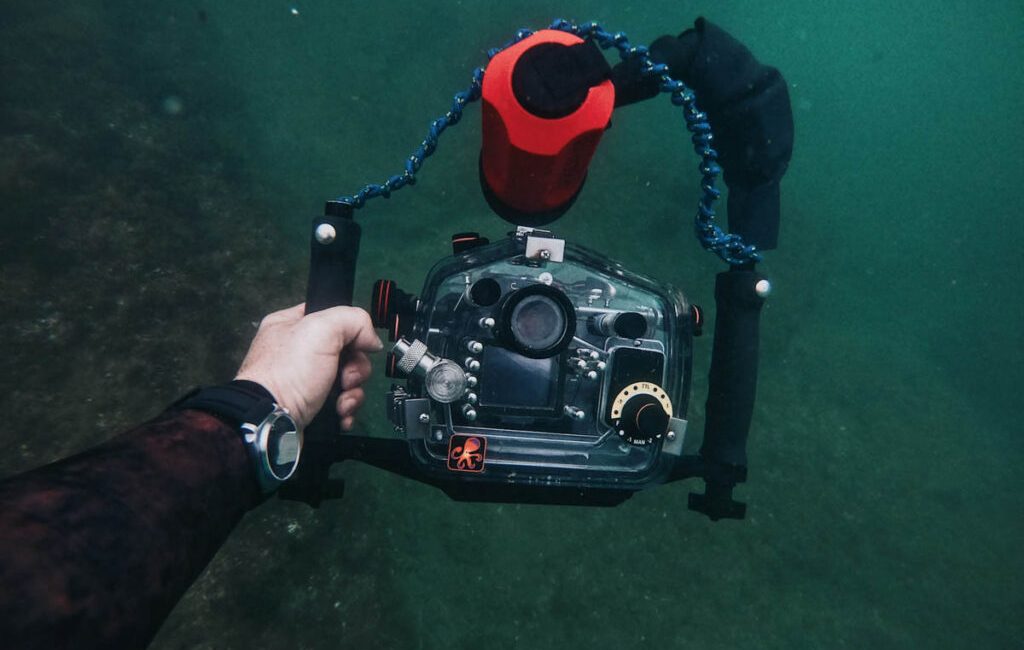
The democratization of underwater imaging technology has made this possible. Where professional underwater cinematography once required specialized equipment and extensive training, modern solutions have become more accessible to recreational divers. Whether capturing a rare encounter with a sea turtle, documenting a vibrant coral reef, or simply sharing the beauty of a favorite dive site, content creation has become woven into the diving experience itself. Some divers use smartphones with underwater housings, others invest in action cameras, and still others explore options like a camera for vlogging to capture stabilized footage that tells a compelling story.
Why Divers Are Becoming Content Creators
The motivation behind underwater content creation varies widely. For some, it’s about conservation. Documenting healthy reefs and marine ecosystems creates visual evidence of what we stand to lose, making the case for ocean protection more visceral and immediate. For others, it’s educational. Dive instructors use footage to teach proper technique, help students understand what they’ll encounter on future dives, and build their professional reputation. Many recreational divers simply want to share the wonder of their experiences with friends and family who may never have the opportunity to dive themselves.
Social media has amplified this trend significantly. Platforms like Instagram, TikTok, and YouTube have created pathways for divers to build audiences around their content. Some have turned this into side income through sponsorships and partnerships. Others have built full-time careers as diving influencers, content creators, and educators. The barrier to entry has lowered considerably, meaning that a dedicated recreational diver with a decent camera and a creative vision can reach thousands of people.
Technical Considerations For Underwater Filming
Filming underwater presents unique challenges that surface content creators never face. Water absorbs light differently than air, affecting color and clarity. Movement is more restricted, requiring deliberate camera work. Buoyancy control becomes even more critical when you’re holding equipment. Depth limits apply not just to your body but to your gear as well. Understanding these constraints is essential before investing in underwater filming equipment.
Most recreational divers start with either a smartphone in an underwater housing or a compact action camera. Smartphones offer familiarity and high resolution, but housings can be bulky and add weight to your dive. Action cameras are purpose-built for harsh environments and are typically more compact, though they often have smaller sensors and lower resolution than modern phones. The choice depends on your priorities, budget, and the type of content you want to create.
Building Your Underwater Content Strategy
Before purchasing equipment, consider what story you want to tell. Are you documenting a specific dive destination? Creating educational content for aspiring divers? Showcasing marine life encounters? Your content strategy should inform your equipment choices, not the other way around. A diver focused on macro photography of small creatures needs different gear than someone capturing wide-angle reef landscapes.
Consistency matters more than production quality in building an audience. Regular posting, even with modest equipment, will outperform sporadic uploads of highly polished content. Many successful diving content creators started with basic setups and upgraded as their audience grew and they better understood their own needs. The key is starting, learning from your footage, and iterating based on what works.
The Community Impact Of Diving Content
The rise of underwater content creation has strengthened the diving community in unexpected ways. Divers share dive site recommendations, safety tips, and marine identification knowledge through their videos and posts. Experienced divers mentor newcomers by sharing their footage and explaining what they’re seeing. Dive centers use content from their customers to market their services authentically. Conservation organizations partner with diving content creators to amplify messages about ocean protection.
This democratization of underwater storytelling has also made diving more accessible to people who might not otherwise consider it. Watching compelling underwater content can inspire someone to get certified, book a dive trip, or support marine conservation efforts. The ripple effects extend far beyond the individual creator.
Practical Tips For Getting Started
If you’re considering creating underwater content, start simple. You don’t need the most expensive equipment to produce engaging footage. Focus on composition, lighting, and storytelling before worrying about technical specifications. Practice in controlled environments like pools before taking your camera on challenging open water dives. Learn basic editing skills using free or affordable software. Study other diving content creators to understand what resonates with audiences.
Most importantly, remember that your primary responsibility underwater is always safety. Your dive computer, your air supply, and your buddy take precedence over any camera. Content creation should enhance your diving experience, not compromise it. Many experienced diving content creators emphasize that they never sacrifice dive safety for a shot, and that principle should guide anyone entering this space.
Conclusion
Underwater content creation represents a natural evolution of how divers engage with their passion. As technology becomes more accessible and platforms for sharing proliferate, more divers will likely explore documenting their experiences. Whether this remains a casual hobby or develops into something more significant, the trend reflects a fundamental human desire to share wonder and inspire others. The underwater world has always been worth exploring. Now, more than ever, it’s also worth sharing.
THE SCUBA NEWS Link !
DemirHindiSG
15 Kasım 2026-22:20
