 Nöbetçi Eczaneler






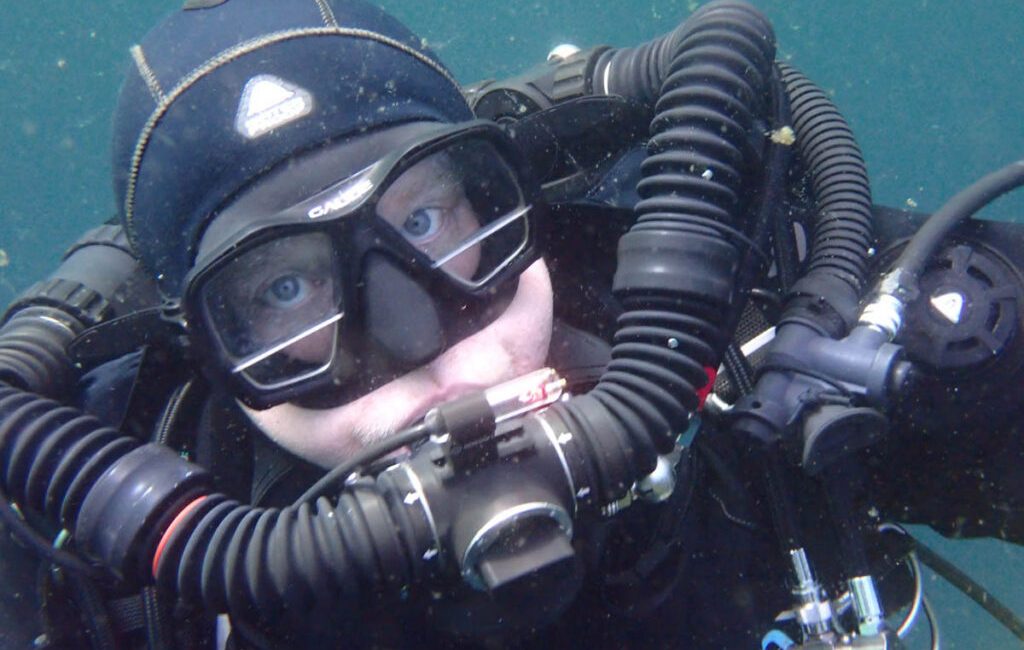
The World Underwater Federation (CMAS) has announced new educational frameworks for closed-circuit rebreather (CCR) divers and instructors, modernising its approach to rebreather training in response to advances in diving technology, changing industry practices and the growing economic pressures associated with deep open-circuit diving.
Announced on 23 November 2026, the updated frameworks represent a significant revision of the organisation’s previous approach to CCR education, which dates back more than a decade.
In its official announcement, CMAS highlighted how rebreathers have become increasingly established within recreational diving over the past 20 years, with manufacturers offering a growing range of equipment and configurations.
Modernising Rebreather Training
CMAS introduced its original closed-circuit rebreather training programme in 2013. Further educational requirements followed in 2014, addressing qualifications for divers using air, nitrox and trimix diluents.
Since those programmes were introduced, both rebreather technology and the wider understanding of CCR diving practices have continued to develop.
The review was undertaken to bring the organisation’s educational approach into line with contemporary equipment, knowledge and diving practices.
Much of the development work was led by Jean-Pierre Montseny, who heads the CMAS Technical Diving and CCR working group. Alain Foret, President of the CMAS Technical Committee, acknowledged Montseny’s contribution when announcing the completed review.
The new CCR Diver and Instructor Educational Frameworks are now listed within the organisation’s international training documentation.
Rising Helium Costs and the Evolution of Technical Diving
One particularly notable aspect of the announcement is the recognition by CMAS that the increasing cost of helium is influencing equipment choices among divers undertaking deeper dives.
Traditional open-circuit scuba systems release exhaled breathing gas into the surrounding water. Closed-circuit rebreathers instead recycle breathing gas, removing carbon dioxide and replenishing oxygen as required.
This can substantially reduce breathing gas consumption, making rebreathers an increasingly attractive option for certain types of technical diving where expensive helium-based breathing mixtures are required.
However, these advantages come with additional equipment complexity, maintenance requirements and specific training demands.
Rebreather diving requires a different approach to equipment monitoring, risk management and emergency procedures. As equipment continues to evolve, maintaining relevant and effective educational programmes remains an important consideration for training organisations.
Supporting International Diving Federations
Unlike training organisations that primarily deliver their programmes through individual affiliated instructors and dive centres, the CMAS Technical Committee works with its network of national federations to develop and implement international diving standards.
CMAS has invited interested member federations to examine the new educational frameworks and provide feedback.
The announcement does not specify a universal implementation date for the updated programmes across all member federations.
For divers and instructors, the availability of training under the new frameworks will therefore be something to monitor through their respective national CMAS organisations.
The development reflects a broader challenge facing the international diving industry: ensuring that diver education keeps pace with technological innovation while maintaining an emphasis on competence, safety and responsible diving practices.
Further information is available through the CMAS International Diver Training Standards and Procedures Manual.
Kaynak: SCUBA NEWS
