
 Nöbetçi Eczaneler







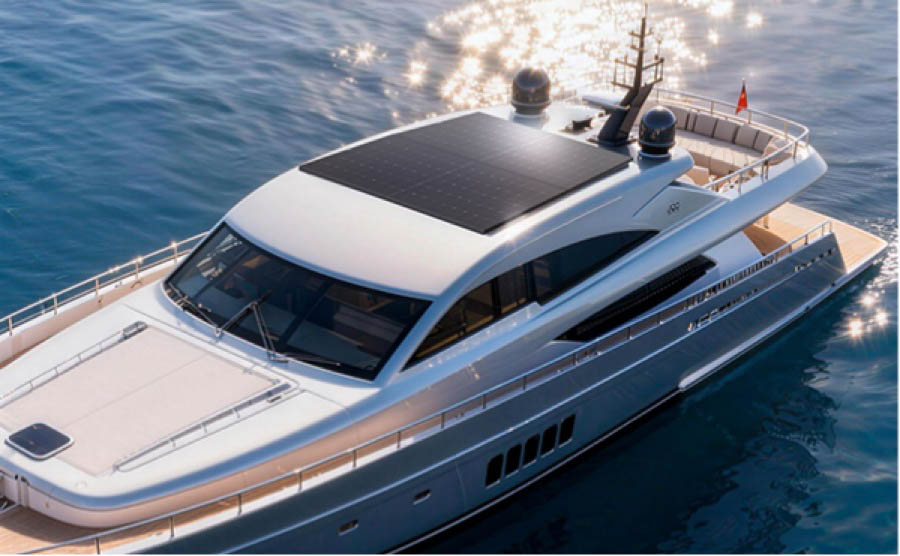
Spending time on the water offers freedom and adventure, but keeping onboard electronics and essential equipment powered can be a challenge. Whether you’re sailing along the coast, enjoying a weekend boating trip, or planning a longer offshore journey, reliable electricity makes a big difference.
Traditional marine batteries provide stored energy, but they eventually need recharging. Running an engine or generator solely to recharge batteries can consume fuel and create unnecessary noise. Solar power offers another option, allowing boat owners to generate electricity during daylight hours.
Choosing the right solar panel for marine applications requires more consideration than simply comparing wattage. Available deck space, exposure to saltwater, mounting options, and onboard energy requirements all matter. Here’s what boat owners should know before investing in a marine solar setup.
1. Why Consider Solar Power for Your Boat?
Solar panels convert sunlight into electricity, which can be used to charge onboard batteries and support everyday electrical needs.
For boat owners, one major advantage is the ability to generate power without continuously running an engine. A properly sized solar system can help maintain battery levels while a boat is anchored, moored, or cruising in suitable sunlight conditions.
Common onboard applications include:
- Navigation electronics: Supporting GPS devices, chartplotters, and communication equipment through the onboard battery system.
- Lighting: Supplying energy for cabin lights, deck lighting, and other low-power fixtures.
- Refrigeration: Helping maintain power for marine refrigerators and coolers.
- Small electronics: Charging phones, tablets, cameras, and other personal devices.
- Battery maintenance: Replenishing energy used by essential onboard equipment during daylight hours.
Solar power is particularly useful for sailors and boat owners who spend extended periods away from shore power. Although it may not replace every onboard energy source, it can reduce generator use and provide an additional layer of energy independence.
2. Choosing the Right Solar Panel for Marine Applications
Boats present unique installation challenges. Unlike residential rooftops, marine surfaces often have limited space, curved sections, and equipment that creates shadows.
The two common solar panel options are rigid and flexible panels.
Rigid Solar Panels
Rigid panels typically feature solar cells protected by glass and supported by an aluminum frame. They are a popular choice for boats with suitable flat mounting areas, such as hardtops, solar arches, and dedicated mounting structures.
Their advantages include established durability, good power output, and relatively high efficiency per unit of installation area.
However, their weight, thickness, and mounting requirements can make them less convenient for smaller boats or curved surfaces.
Flexible Solar Panels
Flexible solar panels offer a lower-profile alternative. Their lightweight construction makes them useful for boats where conventional framed panels are difficult to install.
Depending on the product specifications, they can be mounted on suitable curved cabin roofs, deck surfaces, and other irregular areas.
Their main advantages include:
- Lightweight construction: Adds less weight to the vessel compared with many framed panels.
- Low-profile design: Fits more naturally into limited installation spaces.
- Installation flexibility: Can accommodate certain curved surfaces when the manufacturer’s bending requirements are followed.
- Space efficiency: Makes it possible to use areas where rigid panels may not fit.
For many smaller vessels, a flexible solar panel can be a practical solution. However, flexible does not mean completely bendable or automatically suitable for walking on. Always check the manufacturer’s installation and surface-load specifications.
3. What to Look for in a Marine Solar Panel
Marine environments expose equipment to moisture, UV radiation, salt deposits, vibration, and changing weather conditions. Choosing a suitable panel involves evaluating more than its advertised power output.
Waterproofing and Environmental Protection
Water resistance is an important consideration when selecting solar equipment for boats.
Check the panel’s IP rating and the manufacturer’s information about moisture protection. Also examine the junction box, cable connections, and installation accessories. A waterproof panel does not automatically make the entire electrical installation waterproof.
Saltwater exposure also makes corrosion-resistant mounting hardware and properly protected electrical connections essential.
Efficiency and Shade Performance
Available installation space is often limited on boats, so getting more electricity from a smaller area can be valuable.
Compare conversion efficiency, rated output, and performance under partial shading. Masts, antennas, sails, and other equipment can cast shadows across a panel throughout the day.
If shading is unavoidable, consider panel technology and electrical configurations designed to reduce its impact.
Weight and Installation Requirements
Every additional component contributes to the vessel’s overall weight. Lightweight panels can be particularly useful on smaller boats where weight distribution matters.
Before installation, check the panel’s dimensions, minimum bending radius, mounting method, and ventilation requirements. Some flexible panels need specific installation conditions to prevent excessive heat buildup.
4. How Much Solar Power Does Your Boat Need?
The right solar system depends on how much electricity you use each day. Start by listing your onboard electrical equipment and estimating its daily consumption.
For example:
These figures are illustrative. Actual consumption varies depending on equipment specifications and operating time.
ext, consider how much sunlight your panels can realistically receive. A 200W solar panel does not continuously produce 200 watts throughout the day. Sunlight intensity, panel temperature, orientation, shading, and weather all affect actual output.
A useful starting point is to estimate daily energy demand, divide it by realistic peak sun hours, and then account for system losses.
For example, if your boat uses approximately 400Wh per day and receives four peak sun hours, a 200W panel would theoretically generate 800Wh before losses. Actual production will be lower, so additional capacity may be necessary depending on conditions and battery requirements.
A properly configured solar charge controller is also essential. MPPT controllers can help optimize energy collection and regulate charging according to the connected battery’s requirements.
5. A Flexible Solar Panel Option for Marine Setups
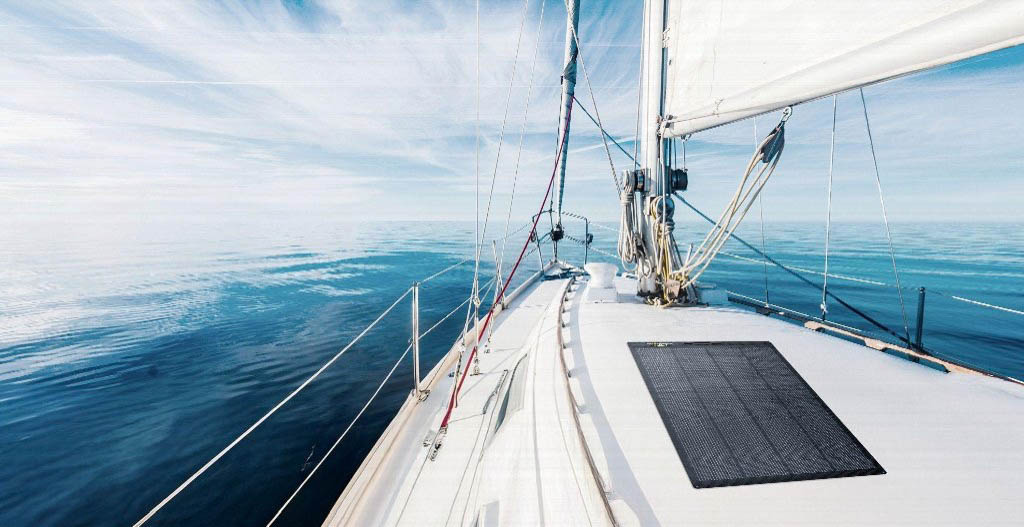
For boat owners looking for a lightweight solar solution, the BougeRV Arch Pro 200W Flexible Solar Panel is one option worth considering.
Designed for 12V and 24V systems, it uses N-type TOPCon solar cells with a stated conversion efficiency of up to 25%. Its 16-busbar design and anti-shading technology are intended to support power generation when some portions of the panel experience shading.
Other notable features include:
- Lightweight design: Approximately 7.9 lbs, making it easier to handle and install.
- Flexible construction: Suitable for certain curved or irregular mounting surfaces.
- Dual-layer fiberglass protection: Provides additional structural protection.
- IP68 waterproof rating: Offers a high level of protection against water ingress under specified test conditions.
- Multiple mounting options: Supports installation using tape, adhesive, or pre-drilled holes.
For boat owners considering a flexible solar panel for marine applications, its low-profile design and 12V/24V compatibility make it worth evaluating for suitable onboard installations.
Before purchasing, verify that the panel’s mounting requirements, electrical specifications, and environmental protection meet your vessel’s actual operating conditions. You can also explore different solar panel for marine options to compare panel technologies, wattages, and installation styles for your boat.
Final Thoughts
Solar power can make boating more convenient by providing an additional source of electricity for onboard equipment and battery charging. Whether you’re maintaining essential electronics, powering a refrigerator, or enjoying longer stays away from shore power, the right solar setup can reduce dependence on engines and generators.
When choosing a solar panel for marine use, consider available space, daily energy consumption, environmental protection, shading, and installation requirements. Rigid panels may work well on dedicated mounting structures, while flexible panels offer an alternative for boats with curved surfaces or limited space.
Kaynak: SCUBA NEWS
