
 Nöbetçi Eczaneler




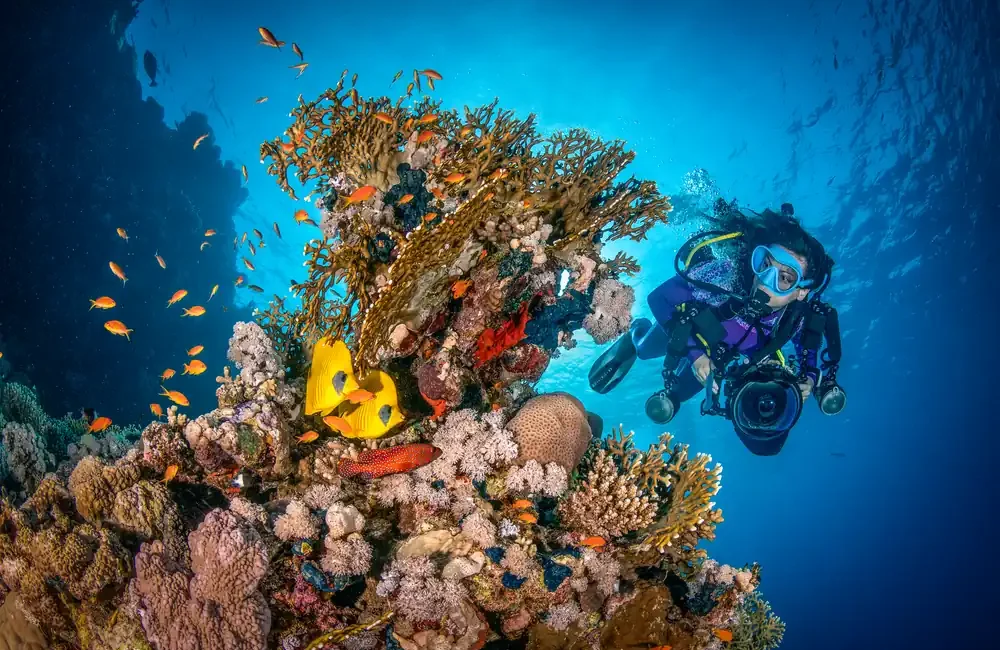
Jenny Stock gives her advice on how to photograph marine life without disturbing it, accompanied by some of her outstanding imagery
By Jenny Stock
Getting close to marine life is one of the great thrills of underwater photography. It is an extraordinary feeling to be accepted into an animal’s world: seeing iridescent ripples of colour flow across the skin of giant cuttlefish, hearing a turtle munching on the coral, mutual eyeballing with a humpback whale or, my favourite, feeling strong suction cups latching around your fingers as a curious octopus questions what you are.
All these moments can yield stunning images; however, it isn’t about how good your camera is or how powerful your strobes are – it’s the field craft of getting close to animals.
Read the animal in its environment
One of the biggest skills an underwater photographer can develop is learning to read animal behaviour. Every species has its own body language and boundaries, and your behaviour affects its behaviour.
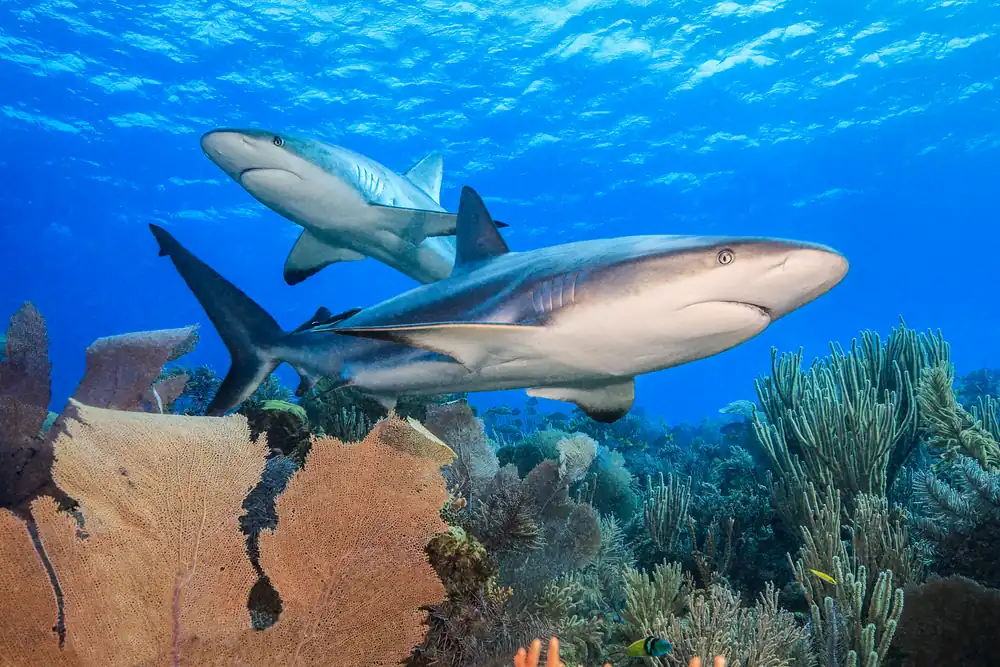
Sharks are a brilliant example: subtle changes in your body language can dictate their swimming pattern and determine whether you get the shot.
They will often turn away from you if you’re swimming in the water column, as your bulk makes you look like a potential predator.
The best technique is to get low on the sea bed and hide behind a large sea fan or boulder. Wait patiently and, with a bit of luck, the shark will get close enough to fill your frame.
Pro tip: be selective about the fan you hide behind; choose a really pretty piece of reef to give your photo an intriguing foreground.
With smaller creatures, the signs can be even more subtle. I often ask myself: ‘What was this animal doing before I arrived? Is it still doing it now?’
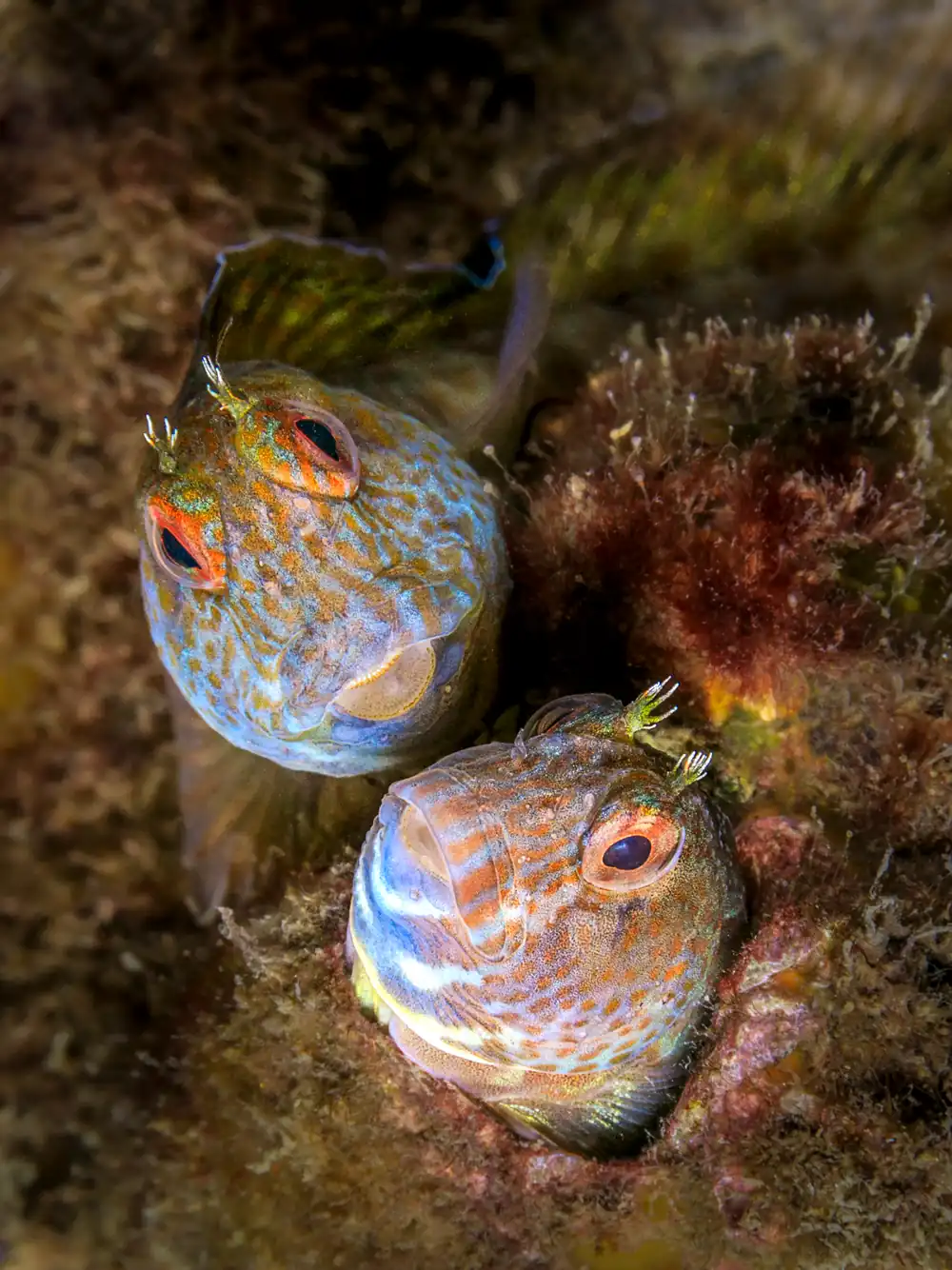
Blennies, for example, make for very entertaining anthropomorphic photos, poking their expressive faces out of the holes they live in. Our giant human form barrelling into their front garden is overwhelming, so they initially retreat when you first approach.
Stop. Wait. Often its behaviour will resume. If not, my technique is to swim away for five minutes and take shots of something else, preferably of a similar size and colour so you can perfect your camera settings and lighting. Make a second approach very slowly and very quietly, and the original subject is usually much more accepting of your presence.
Slow down
Water magnifies every movement. A small kick of a fin or a sudden movement of an arm can send a surprising amount of water towards a delicate animal.
If you charge towards a subject, waving your camera around as you go, you are unlikely to get the natural behaviour that you were hoping to photograph.
I have found that the calmer I am underwater, the better my photographs become. Keep your movements slow and deliberate, using your lungs to control your position.
Instead of constantly chasing subjects, become part of the environment. Fish become curious, mantas continue on their natural paths, and crabs reach their feathery feeding appendages towards you, filtering food directly in front of your lens.
Let them come to you
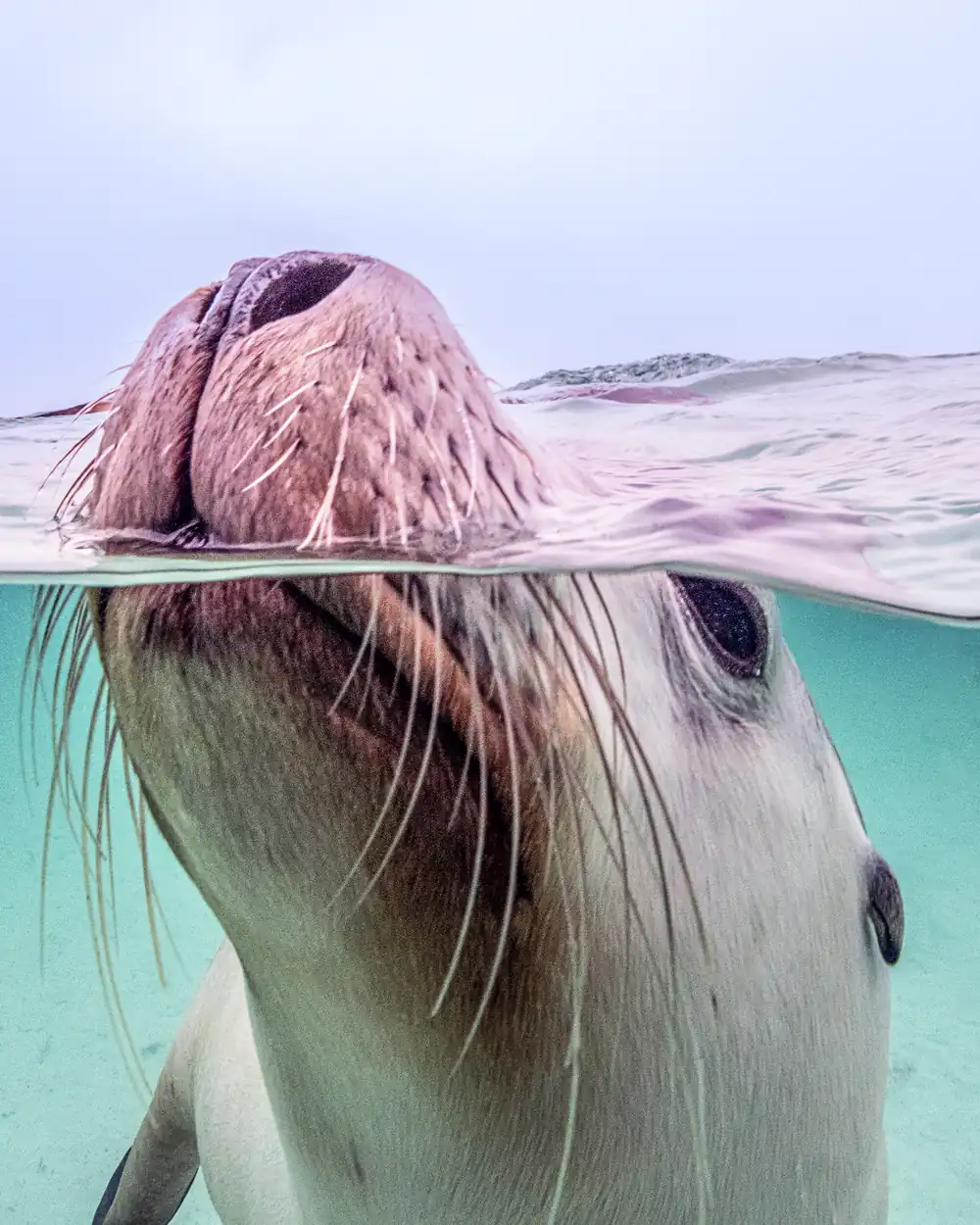
Sometimes the best approach is not to approach at all. I experienced this with sea lion pups in Jurien Bay Marine Park in Western Australia.
I had barely slipped into the water before curious pups came racing over to investigate me. They were playful, inquisitive and completely fascinated by their reflection in my dome port.
Rather than trying to chase them or position myself in front of them, I simply stayed in one spot and let them decide how close they wanted to get to me.
They swam directly over me, chased one another around my camera and play-fought, creating photographs I could never have produced by forcing an encounter. Wild animals are often at their most engaging when they are making decisions by themselves.
Give it time

Patience is perhaps the least glamorous virtue, but it is one of the most valuable. It is tempting to take a few photographs of a subject and move on, but staying with an animal for longer can reveal behaviours that you would otherwise never see.
Behaviour shots feel intimate as they capture a moment from the animal’s life, rather than simply documenting its existence.
Many photographers long for a mating mandarinfish shot, but to get one you’ll dive at dusk and hunker down near their den.
After a long wait, with good fortune you may see a mating pair rise into the water and release a cloud of sperm and eggs. They may repeat the behaviour, but the window in which to capture it is brief.
Research and experts
My best wildlife photographs often began long before I pressed the shutter. Research goes a long way, and I discuss my plans with guides and experts before my shoot.
In Vava’u, Tonga, my guide Sioni Fifita explained that I should position myself near a humpback whale’s head, in her field of vision, not drift down to her powerful and potentially dangerous tail.
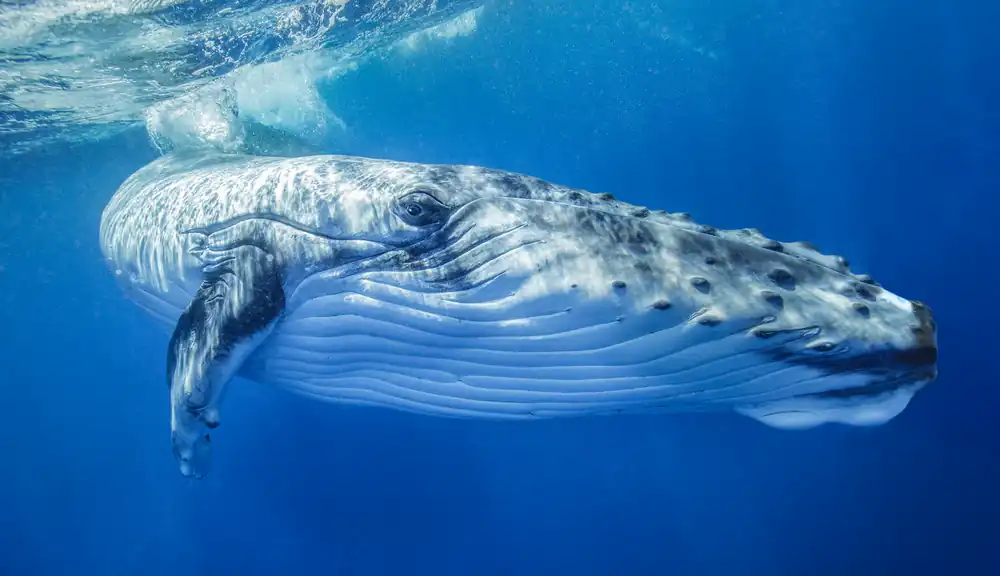
If a mother placed herself between me and a calf, that was a sign that I should back off.
If she remained at ease, she would allow the calf to approach. I still had to be wary, as calves have poor body control and accidental contact with their sharp barnacles – or sheer mass – can cause severe injuries.
When I encountered a completely relaxed mother who was more encouraging of her calf’s explorations, that was the time to get closer and move in for the shot.
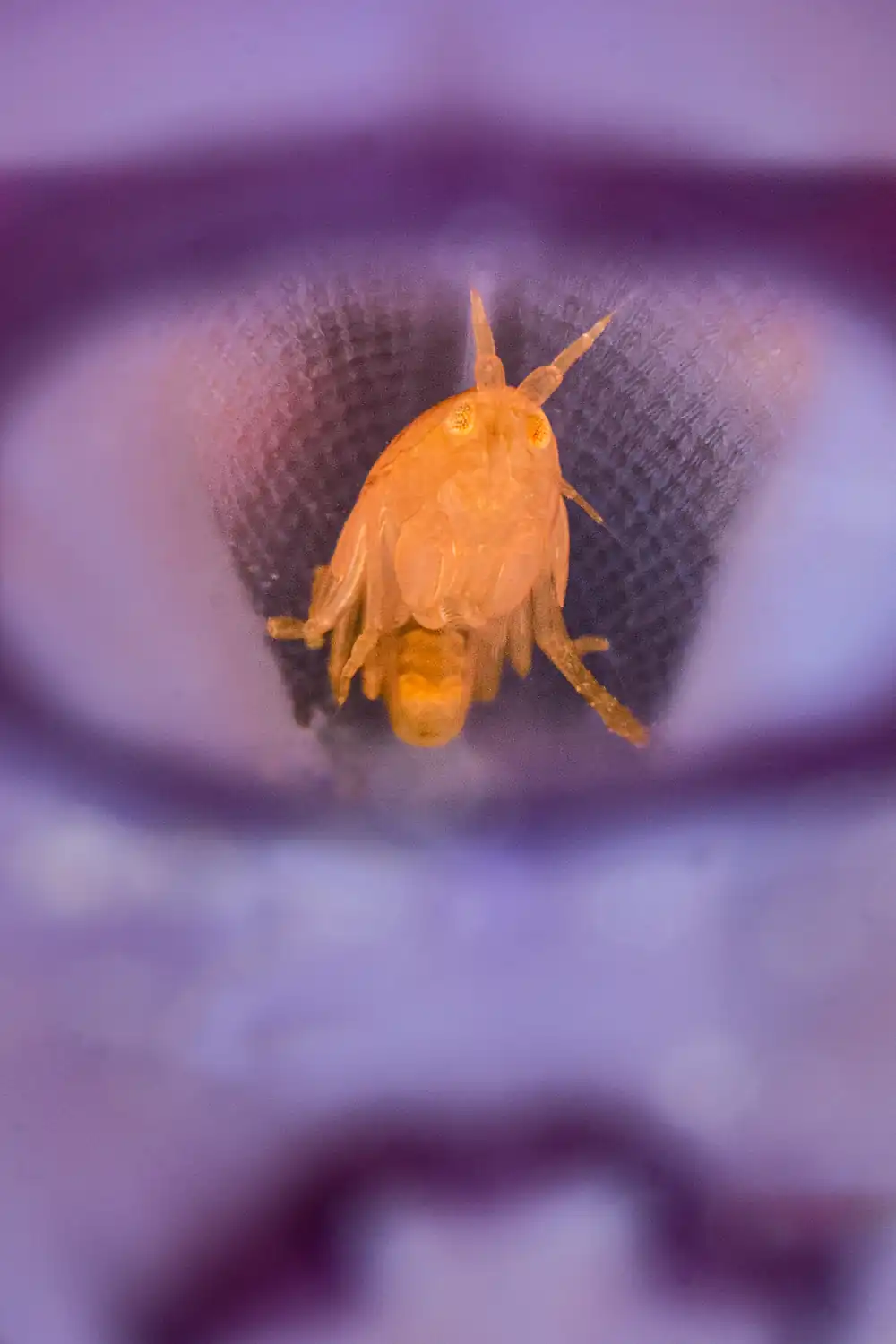
In Ambon, Indonesia, my guide Lucky Nampasnea took 10 dives until he trusted my buoyancy skills enough to show me a well-hidden orange amphipod tucked away inside a purple tunicate.
Focusing on these 0.5cm animals means stacking powerful macro lenses on the front of your camera and getting within centimetres of the animal. You need to know your camera’s length and profile, as one wrong move could crush the animal, so a good guide will only show these subjects when they are confident of your spatial awareness.
The ethics of getting close
There is a fine line between getting close and getting too close. Controversially, I don’t believe that interacting with a wild animal is automatically harmful, particularly when initiated by the animal. Wild dolphins, for example, may choose to approach divers and investigate or mimic their movements. The important distinction is who controls the interaction – the animal, or you.
Unfortunately, I have witnessed photographers chasing mantas, blocking the escape routes of mantis shrimp and repositioning nudibranchs and seahorses – all for a photograph. Even resting a fin on a muck dive to steady yourself could destroy a million skeleton shrimp! Be sensible, and keep the conversation going with those around you to make sure your practice is acceptable.
Also consider the images you share. A beautiful photograph of an animal being handled or manipulated can normalise behaviour that others may then copy. What looks like a harmless interaction can quickly become a problem when hundreds of divers and photographers repeat it.
Know when to walk away

Perhaps the most important skill of all is knowing when to stop. Sometimes an animal simply doesn’t want you there. You can read all the signs correctly, approach slowly and position yourself perfectly, but the encounter still isn’t going to happen.
That’s the time to leave. There is always another dive and another opportunity.
Walking away can be frustrating, especially when you have travelled halfway around the world hoping to photograph a particular species, but the ocean isn’t a studio and we don’t control the subjects, the light, the current or the behaviour.
The most rewarding underwater photographs aren’t necessarily the ones where the animal fills the frame. They are the ones where you can look at the image and know that, at least for a brief moment, you were allowed into its world without changing it.
That, to me, is the real art of getting close.
The post Underwater photography and the art of getting close to your subjects appeared first on DIVE Magazine.
