
 Nöbetçi Eczaneler




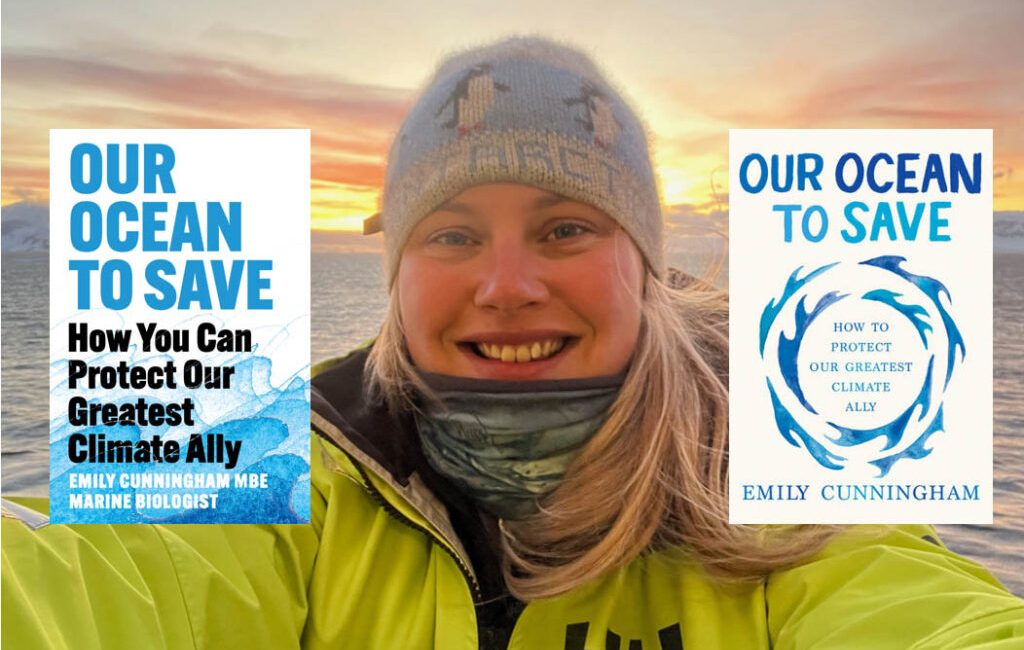
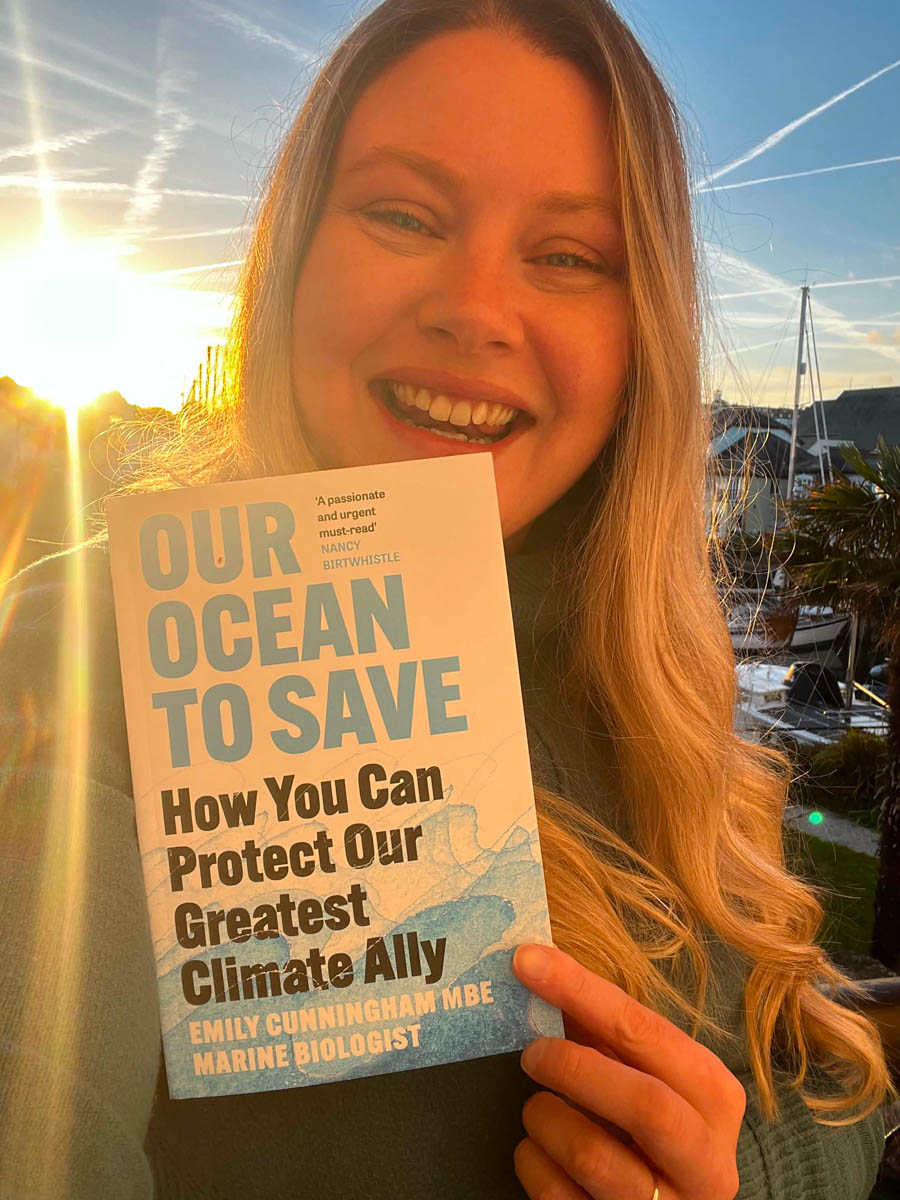
Marine biologist and award-winning ocean conservationist Emily Cunningham MBE has published a new book challenging one of the most persistent assumptions about protecting the marine environment: that saving the ocean is a responsibility reserved for scientists, governments and major conservation organisations.
Our Ocean to Save, published in the UK by Pan Macmillan’s Bluebird imprint, explores the threats facing marine ecosystems while offering practical ways for people from all walks of life to contribute to ocean recovery.
Drawing on more than a decade of conservation experience, including scientific expeditions, marine policy work and community-led environmental projects, Cunningham argues that meaningful change depends on ordinary people recognising the influence they already possess.
For scuba divers, who regularly witness both the extraordinary beauty of underwater ecosystems and the damage they face, the message has particular relevance.
From Antarctica to a Global Conservation Mission
The inspiration behind Our Ocean to Save is closely connected to Cunningham’s experience exploring the Antarctic seabed.
In the book’s opening chapter, she describes descending in a submersible to an area of the Southern Ocean that had never previously been seen by humans.
Far below the surface, she encountered a remarkable ecosystem of sponges, corals, sea cucumbers and other marine animals, some potentially many centuries old.
It was an experience that combined the excitement of scientific discovery with a troubling realisation: even ecosystems far removed from human settlements are vulnerable to climate change, pollution and other pressures.
That encounter helped shape the book’s central argument.
Protecting marine biodiversity cannot depend exclusively on people who work at sea or have specialist scientific qualifications. The ocean’s health influences communities everywhere, including those living hundreds or thousands of miles from the nearest coastline.
Cunningham’s own journey began in landlocked Staffordshire, England, where a childhood fascination with marine wildlife eventually developed into a career in ocean conservation.
Her experiences have since taken her from tropical marine environments to polar waters, and from field conservation to environmental policymaking.
Understanding the Problems Without Losing Hope
Rather than avoiding the scale of the environmental challenges facing the ocean, Cunningham confronts them directly.
The first part of Our Ocean to Save examines threats including climate change, overfishing, pollution and biodiversity loss, while explaining why healthy marine ecosystems are essential to human wellbeing.
However, the book does not stop at describing the crisis.
A substantial section explores evidence that marine environments can recover when damaging activities are reduced, habitats are protected and effective conservation measures are maintained.
This emphasis on recovery is important.
Environmental reporting can sometimes leave audiences feeling that the scale of marine degradation is too great for individual action to matter. Cunningham takes a different approach, linking the scientific realities of ocean decline with examples of people and communities helping to reverse it.
The result is a conservation guide concerned not only with what is going wrong, but also with identifying opportunities for improvement.
What Can Scuba Divers Actually Do?
One of the book’s strongest themes is that people do not need to become professional marine biologists to contribute to scientific knowledge.
Cunningham introduces readers to citizen science, where volunteers assist researchers by recording wildlife observations, conducting surveys, collecting information or helping analyse scientific data.
For recreational divers, underwater photographers and dive professionals, this is an especially accessible entry point.
Divers regularly visit marine environments that researchers may struggle to monitor continuously. Their observations can provide useful information about species distributions, habitat conditions and environmental changes when recorded through appropriate scientific programmes.
Photographs, sightings and carefully documented observations can contribute to a broader understanding of marine ecosystems.
However, Cunningham also makes clear that participation does not require diving qualifications, access to expensive equipment or even living near the sea.
People can support marine research through online projects, coastal observation programmes and other volunteer initiatives.
The underlying principle is simple: useful contributions depend on choosing an activity that fits an individual’s circumstances, interests and abilities.
Conservation Is Also About Communities and Decisions
Another important message running through Our Ocean to Save is that ocean conservation extends far beyond beach clean-ups and individual purchasing decisions.
Cunningham discusses barriers to marine recovery, including inadequate conservation funding, gaps in scientific understanding and insufficient political engagement.
Drawing on her work with local authorities and coastal communities, she examines how public participation can influence the decisions that shape marine protection.
She is a co-founder of Motion for the Ocean, an initiative encouraging local governments to recognise the importance of ocean recovery and take practical action.
The initiative demonstrates how people outside the marine science profession can influence environmental policy by engaging with elected representatives and local institutions.
For divers, dive clubs and coastal tourism businesses, this opens another dimension of conservation involvement.
Supporting responsible marine management, contributing to local consultations and participating in community initiatives can have consequences extending well beyond any single underwater clean-up.
Readers interested in the initiative can learn more through Motion for the Ocean.
Protecting the Ocean Without Burning Out
Perhaps one of the more distinctive elements of Cunningham’s book is its attention to the wellbeing of people involved in environmental work.
In the closing chapters, she writes openly about the emotional and practical challenges of conservation, including her own experience of burnout.
The constant exposure to environmental decline, combined with the pressure to achieve meaningful results, can leave dedicated conservationists feeling overwhelmed.
Cunningham argues that sustainable environmental action also requires individuals to recognise their limitations, find supportive communities and avoid assuming personal responsibility for solving every problem.
This is a valuable perspective for volunteers, campaigners and marine conservation professionals who often devote considerable personal time to protecting the environments they care about.
The book’s message is not that everyone must do everything.
Instead, it encourages readers to identify contributions they can realistically sustain.
A Conservation Book for More Than Marine Scientists
Cunningham received an MBE in the King’s New Year Honours List 2025 for services to marine conservation and coastal communities.
Her work has included developing marine conservation initiatives, contributing to environmental policy and encouraging greater public involvement in protecting the ocean.
Our Ocean to Save brings those experiences together in a book intended to make ocean conservation more understandable and accessible.
Its structure moves from explaining environmental problems to identifying potential responses, with a particular emphasis on real-world participation.
For scuba divers, the subject is especially relevant. The diving community has an unusually direct relationship with marine ecosystems, providing opportunities not only to appreciate underwater environments but also to observe changes and participate in their protection.
Yet Cunningham’s broader argument reaches beyond diving.
People who never enter the water still depend on a healthy ocean and can help influence its future.
Where to Find Our Ocean to Save
Our Ocean to Save by Emily Cunningham MBE is available through different publishers and distributors depending on the region.
Readers in the UK and Commonwealth can find the book through Pan Macmillan.
Readers in the United States and Canada can find the North American edition through Penguin Random House.
More information about Emily Cunningham’s conservation work is available on her official website.
The Scuba News received a digital review copy and official artwork directly from the author and her publishing team. This feature was independently prepared by our editorial team.
The Scuba News also expects to publish a follow-up article written by Emily Cunningham, exploring her personal reasons for writing the book and what she hopes readers will take away from it.
THE SCUBA NEWS Link !
DemirHindiSG
13 Kasım 2026-22:43
