
 Nöbetçi Eczaneler




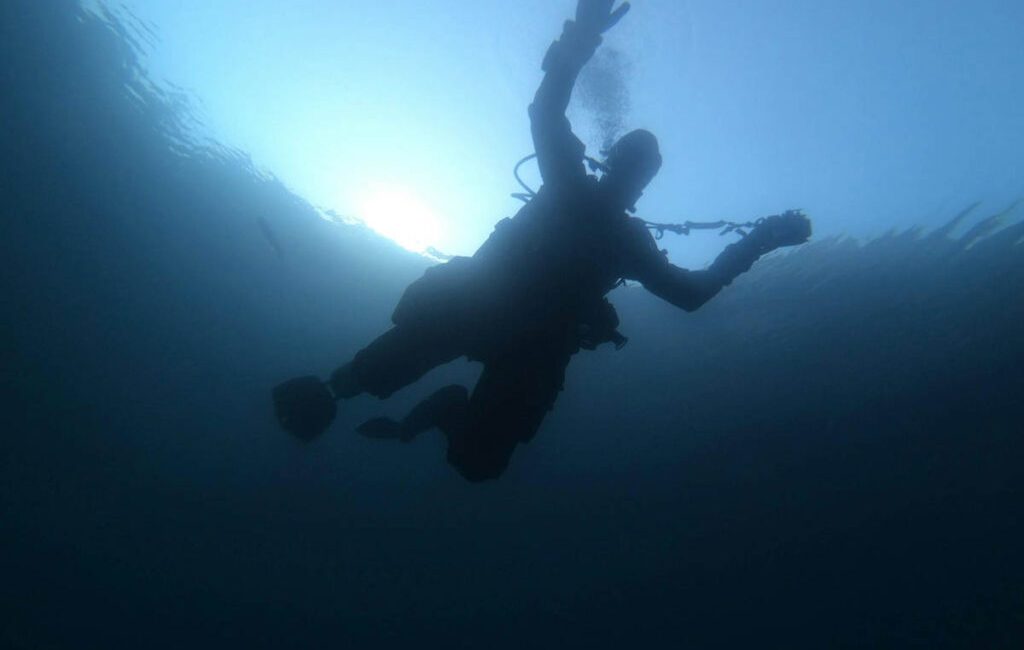
For decades, divers have spoken about the calming effect of being underwater. Slow breathing, weightlessness, and the sensory quiet of the ocean are often described as restorative, even transformative. Until recently, however, those experiences lived largely in the realm of anecdote. Today, a growing body of peer-reviewed research is beginning to clarify what scuba diving may, and may not, offer when it comes to mental health.
This feature examines the evidence carefully, separating confirmed findings from hopeful assumptions, and grounding the discussion in published research rather than diver folklore.
Blue Space and the Foundations of Mental Wellbeing
Before examining scuba diving itself, it is important to understand the broader concept of “blue space”, a term used in environmental psychology to describe natural aquatic environments such as oceans, lakes, and coastal waters. A large-scale review published through the U.S. National Library of Medicine has shown that regular exposure to blue spaces is associated with reduced psychological distress, improved mood, and enhanced overall wellbeing, with the strongest effects linked to immersive engagement rather than passive viewing as outlined in research available via PubMed Central.
This body of research establishes a credible baseline, showing that water-based environments can influence mental states through stress reduction, attentional restoration, and emotional regulation, even before scuba equipment enters the picture.
Scuba Diving and Measurable Mood Changes
When researchers began isolating scuba diving as a distinct activity, early findings focused on short-term psychological effects. A controlled study published in Frontiers in Psychology examined emotional states before and after recreational scuba dives, identifying statistically significant reductions in stress and negative mood alongside increases in positive affect, with outcomes described in detail in the article hosted by Frontiers.
What makes this research notable is not just the reported improvement, but the comparison to other leisure activities. Diving appeared to produce a stronger immediate calming effect than several land-based recreational sports, likely due to the combination of controlled breathing, sensory immersion, and focused task engagement required underwater.
Short-Term Psychological Benefits Across Populations
Further insight comes from a public health study published in the International Journal of Environmental Research and Public Health, where researchers measured mood and psychological wellbeing before and after aquatic activities including scuba diving. The study found that while all participants experienced improved mood, individuals with pre-existing psychological or physical conditions showed more pronounced benefits, a finding detailed in the MDPI-hosted paper available at MDPI.
These findings suggest that scuba diving may offer disproportionate short-term psychological relief for people already experiencing elevated stress or reduced wellbeing, although the authors caution against interpreting this as evidence of clinical treatment.
Trauma, Veterans, and Therapeutic Diving Programmes
One of the most robust areas of research into diving and mental health involves military veterans. A peer-reviewed clinical evaluation published in the Journal of Veterans Studies examined structured scuba programmes designed for former service members, reporting reductions in symptoms associated with post-traumatic stress, anxiety, and depression, with findings accessible through the journal’s official platform at Journal of Veterans Studies.
Complementing this quantitative research, a qualitative study indexed by the National Institutes of Health explored how veterans described their lived experiences of diving, with participants frequently referencing reduced hypervigilance, emotional grounding, and improved self-regulation, insights documented through PubMed.
Importantly, these studies frame diving not as a cure, but as a supportive intervention that may enhance psychological resilience when combined with appropriate professional care.
Community, Identity, and Psychological Resilience
Mental health outcomes are shaped not only by individual physiology, but also by social connection and identity. Research published in Healthcare explored how participation in scuba diving influenced people with physical disabilities, finding improvements in self-esteem, social belonging, and perceived quality of life, outcomes reported in the peer-reviewed article available via MDPI.
These findings align with broader psychological research showing that meaningful group activities can strengthen identity, reduce isolation, and support long-term mental wellbeing, particularly when participants feel competent and included rather than defined by limitation.
Where the Evidence Stops Short
Despite encouraging findings, the scientific literature remains clear on one point: scuba diving is not a recognised clinical treatment for mental illness. A systematic review of adapted recreational interventions published through PubMed Central found that while diving programmes were enjoyable and potentially beneficial for self-concept, the evidence base remains insufficient to support formal therapeutic classification, a conclusion detailed in the review hosted at PubMed Central.
Safety considerations also play a role. Medical diving guidance highlights concerns around disclosure of mental health conditions and medication use, noting that unmanaged anxiety or inappropriate drug interactions may increase diving risk, guidance explained by diving medicine specialists at Fit to Dive.
These limitations reinforce the importance of distinguishing between psychological benefit and medical treatment.
Why Diving May Support Mental Health Without Being Therapy
While research continues to evolve, several mechanisms are consistently proposed to explain scuba diving’s psychological impact:
Controlled breathing underwater mirrors techniques used in anxiety regulation, sensory immersion reduces external cognitive noise, physical exertion supports neurochemical balance, and structured buddy systems encourage trust and social engagement. Together, these elements resemble components found in established psychological interventions, even though diving itself remains recreational rather than clinical.
What Divers Should Take From the Research
Current evidence supports the idea that scuba diving can improve mood, reduce stress, and enhance wellbeing for many participants, particularly in the short term. It does not support replacing medical or psychological care with diving, nor does it suggest uniform benefits across all individuals.
For divers exploring the mental health aspects of the sport, the most responsible framing is one of complementary benefit, where diving supports wellbeing alongside professional care, physical fitness, and social connection.
Conclusion: Evidence With Depth, Not Hype
The relationship between scuba diving and mental health is no longer confined to diver anecdotes or marketing slogans. Peer-reviewed research now confirms that meaningful psychological benefits are plausible, measurable, and repeatable under certain conditions.
At the same time, the science remains cautious, drawing clear boundaries between wellbeing support and clinical treatment. That balance matters. It protects divers, preserves credibility, and allows the conversation to move forward grounded in evidence rather than exaggeration.
As research expands, the underwater world may continue to reveal not just new species and wrecks, but deeper insight into how humans recover, regulate, and reconnect beneath the surface.
THE SCUBA NEWS Link !
DemirHindiSG 03 Şubat 2026-21:15
