
 Nöbetçi Eczaneler






You’ve got your certification, your gear is packed, and you’re ready to hit the water. Scuba diving opens up a whole new world, but it also comes with unique risks. While you probably spent plenty of time learning about buoyancy and air consumption, you might not have thought much about medical emergencies.
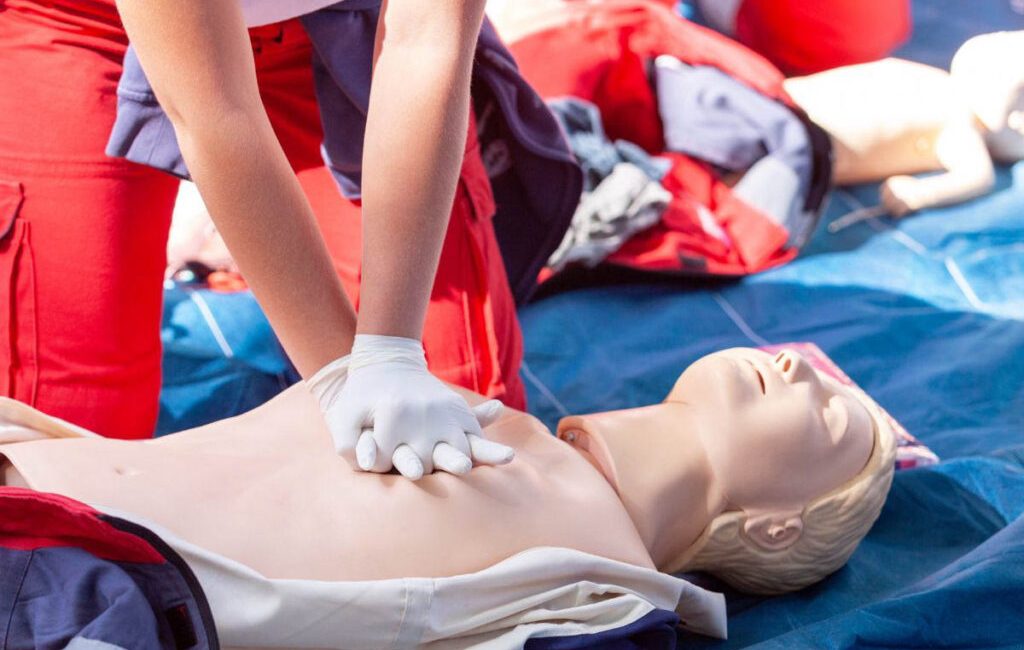
Every scuba diver needs to learn how to perform CPR on top of their standard dive traning. If something goes wrong during a dive, this skill enables them to take action and save the life of a buddy in crisis.
You’re the First Responder Offshore
When you’re miles offshore or deep underwater, 911 can’t just dispatch an ambulance to your location. The boat you’re on will have to make it back to shore before paramedics can board and provide advanced measures. But by then, someone in cardiac arrest or respiratory failure could be beyond help.
If you want to maximize their chance of survival, you or another diver will need to jump in and provide immediate life-saving first aid until professional help is available. If you know what to do, you can keep oxygen flowing to a diver’s brain while the captain races back to port. You don’t need to be a doctor to make a difference, but you do need to know the basics of resuscitation.
Managing Decompression Sickness Risks
Diving physiology is tricky. Issues like decompression sickness (the bends) or arterial gas embolisms can lead to serious heart and lung problems quickly. While CPR doesn’t fix the bends, it supports the diver if their heart stops beating due to the stress on their body.
Recognizing the signs of distress early often prevents the need for CPR entirely, but if a diver collapses after surfacing, you need to act fast. Training teaches you to recognize when someone isn’t just tired, but actually in danger. You’ll be ready to start compressions and manage the scene on a crowded, rocking boat.
You’ll React Better to Crises
If you’re diving with a group and someone blacks out, you can save their life, but you won’t be able to do anything without the right training. This can make you feel helpless, or even panicky—and panic can make a dangerous situation even worse.
CPR training empowers bystanders in crisis situations like this. Instead of freaking out, you can jump in right away. When you stay calm and take action, others around you will feel more at ease, the situation will feel more controlled, and the chances of a positive outcome improve.
Taking action can also help your own mental recovery after a crisis; while these events are traumatic, you’ll feel better knowing you did everything possible to help or even save a life.
Be Ready for the Unexpected
You never plan for a dive to go wrong, but accidents happen. Equipment malfunctions, currents change, and health issues flare up.
This is why every scuba diver needs to learn how to perform CPR; it keeps them prepared for whatever may happen. You want to be the person who saves a life, not the one who wishes they could have done more. Take the class, learn the skills, and dive with improved peace of mind.
THE SCUBA NEWS Link !
DemirHindiSG 25 Ocak 2026-18:27