
 Nöbetçi Eczaneler






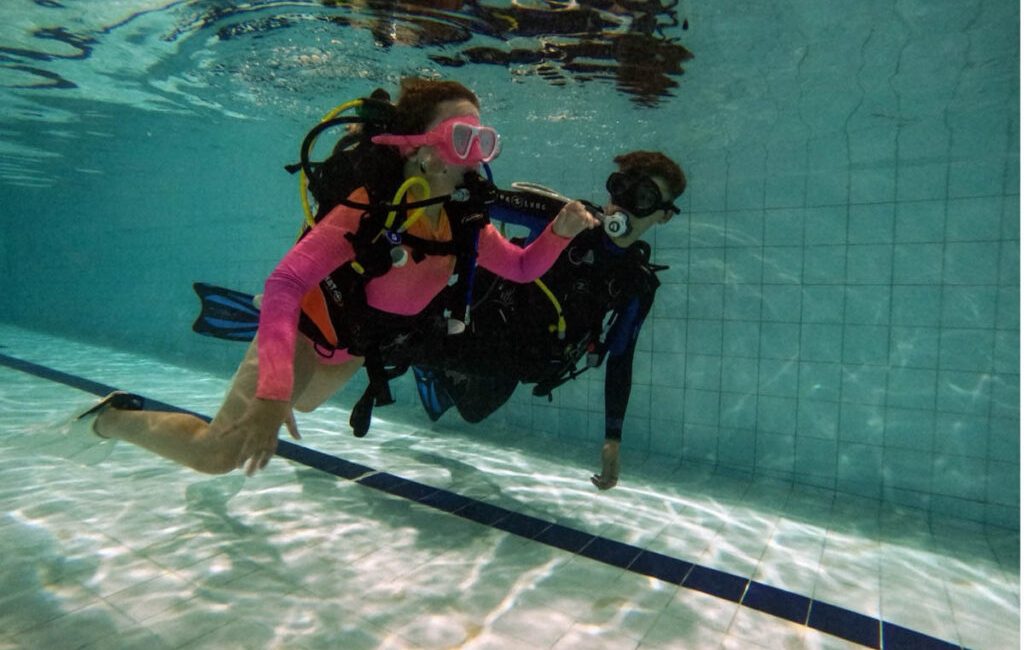
If you spend any time around youth scuba, the early part of the journey usually looks encouraging.
A full pool.
A mix of nerves and excitement.
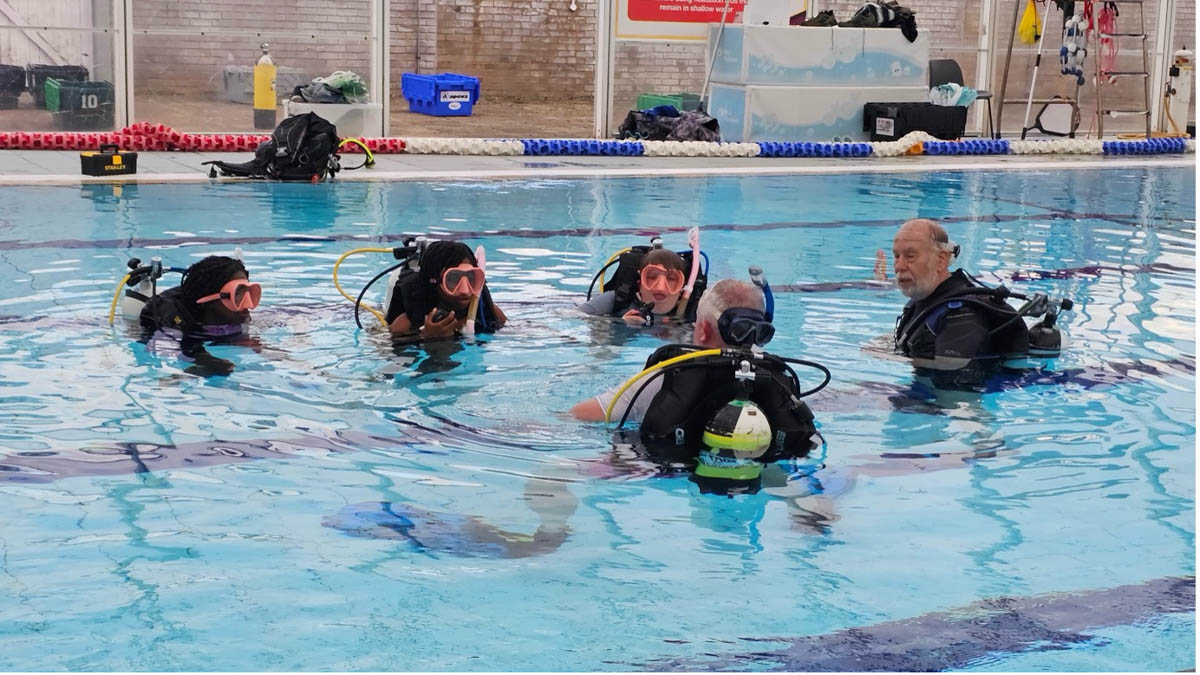
That moment when a child takes their first breath underwater and suddenly realises, oh… I can actually do this.
It’s a powerful thing to witness.
And then, quite often, nothing happens next.
No follow-up booking.
No progression course.
No return.
The industry has become very good at getting young people into diving. Try dives, discovery sessions, tasters, birthday experiences — all designed to lower the barrier to entry. And they work. Thousands of children experience scuba every year.
But participation isn’t really the issue anymore.
Retention is.
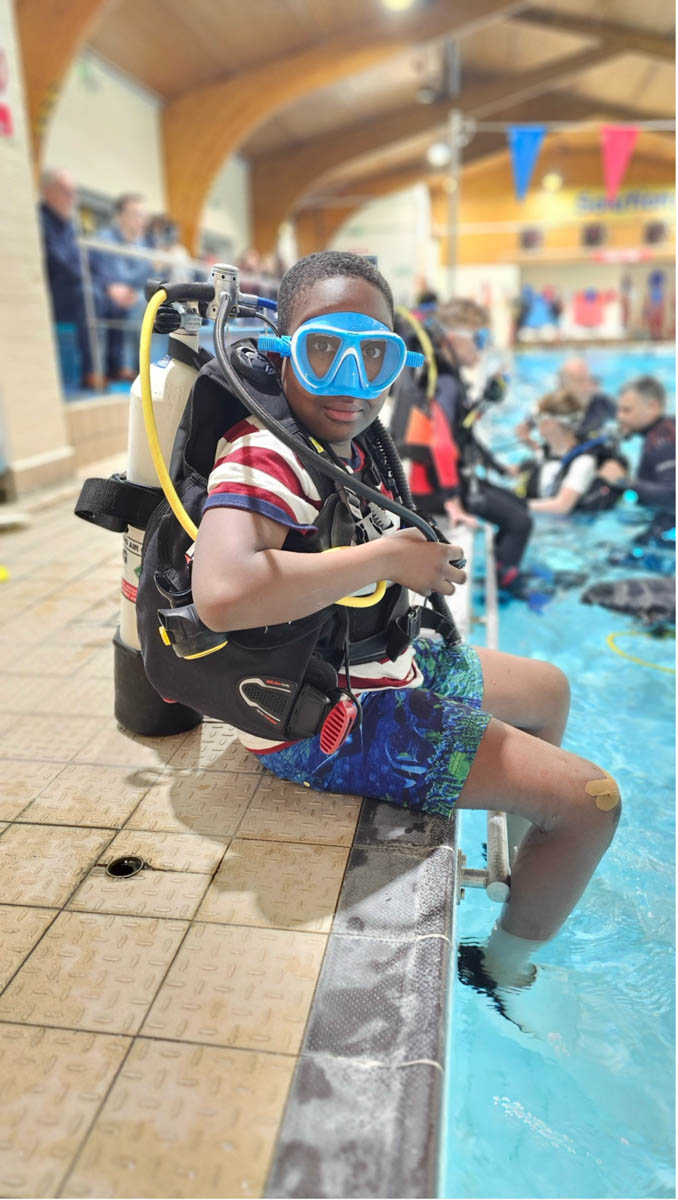
The Quiet Drop-Off
Most instructors and centres will recognise the pattern.
The session goes well.
The child comes out smiling.
Parents say thank you — sometimes enthusiastically.
And then the trail goes cold.
This isn’t about poor instruction or a bad experience. More often than not, it’s about friction — small, cumulative uncertainties that quietly drain momentum.
Youth scuba sits in a complicated space. It involves excitement, fear, logistics, cost, confidence, and parental decision-making all at once. If even one of those isn’t handled clearly, the energy from that first experience fades faster than we expect.
Enjoyment alone, it turns out, isn’t enough.
Confidence Doesn’t Automatically Carry Over
Adults often assume a straight line:
They enjoyed it → they’ll want to continue.
But children don’t always experience progression that way.
A try dive works partly because it’s contained. It’s supported. There’s no long-term expectation attached to it. Progression, on the other hand, introduces new pressures — even if no one says them out loud.
Skills become more visible.
Mistakes feel more obvious.
Comparisons creep in.
A single try dive doesn’t build identity. It creates a moment.
Confidence comes later — but only if the environment allows children to be unsure, to repeat things, and to improve without feeling watched or judged.
Young divers don’t need to feel “good” at diving straight away.
They need to feel safe not being good yet.
Parents Hold the Pen
It’s easy to talk about retention as a child-centred problem, but in reality, parents are the gatekeepers.
They’re the ones asking themselves questions on the drive home:
- Is this safe long-term?
- Is the commitment realistic?
- Will my child cope if it gets harder?
- What happens if they struggle?
If those questions aren’t answered proactively, hesitation sets in. And most parents won’t raise their concerns directly — they’ll simply decide not to continue.
Clear progression pathways help.
Clear communication helps even more.
What happens next?
How often?
What’s expected?
What support exists if confidence dips?
When those things aren’t obvious, momentum quietly stalls.
Why Frequency Matters More Than Hype
One of the most common structural issues in youth diving is spacing.
A try dive here.
A follow-up weeks later.
Another long gap before real progression.
From an operational point of view, this makes sense. From a child’s point of view, it feels like starting again every time.
Confidence underwater isn’t built through big moments — it’s built through familiarity. Seeing the same faces. Using the same kit. Knowing what’s coming next.
Weekly or near-weekly exposure does far more for retention than occasional “special” sessions ever will.
Where programmes struggle isn’t access — it’s continuity.
Cold Water Isn’t What Puts Kids Off
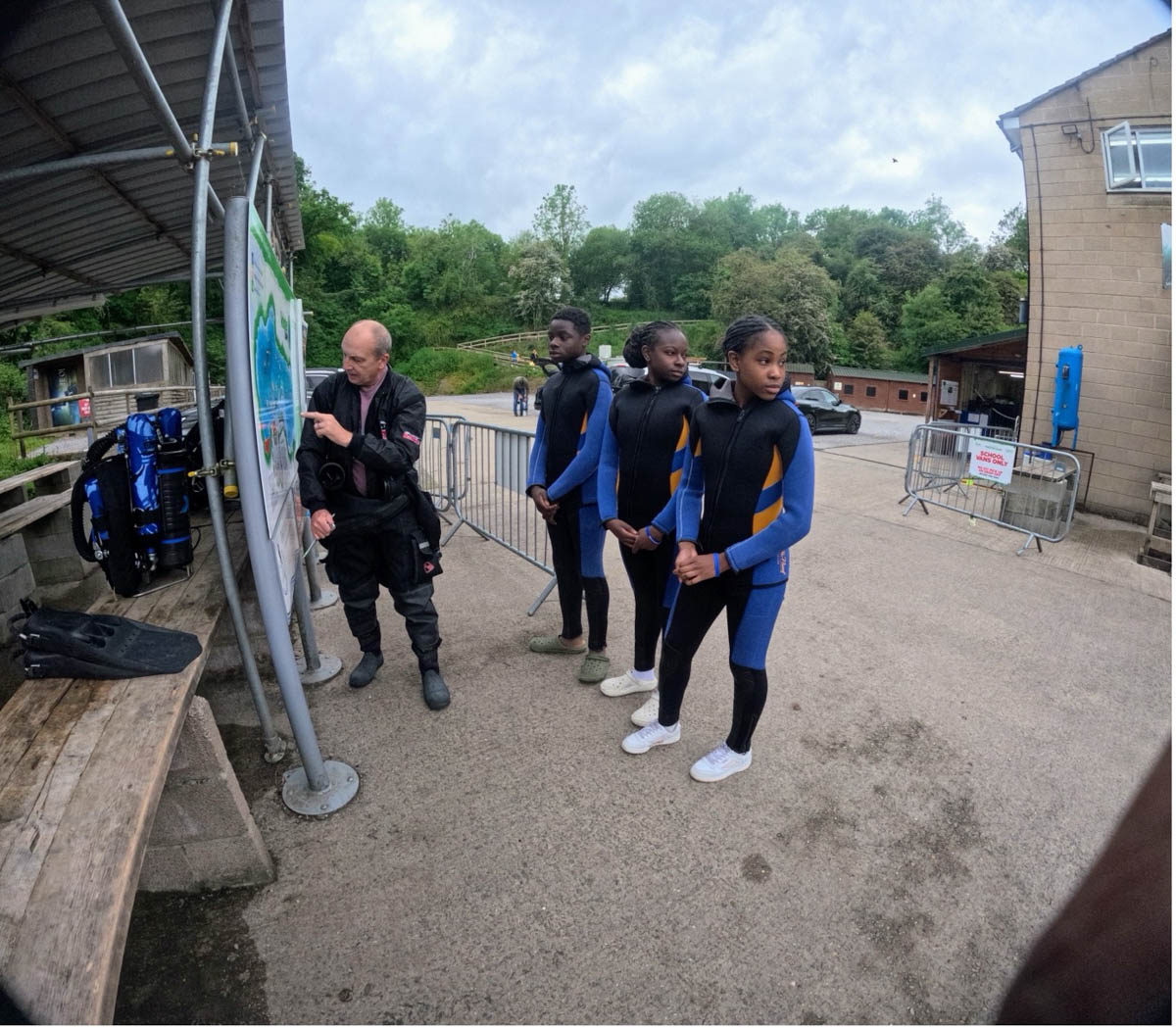
UK conditions often get blamed when young divers don’t progress. Cold water, thick exposure protection, limited visibility — all cited as barriers.
In practice, many children handle conditions surprisingly well when expectations are managed properly.
What unsettles them isn’t the temperature.
It’s uncertainty.
Not knowing what the next session will be like.
Not knowing whether they’re improving.
Not knowing if they’re falling behind.
Children are often more resilient than we assume — as long as the environment feels predictable and supportive.
Letting Go of the “Natural Diver” Idea
Every instructor has seen it: the child who looks instantly at home underwater. Calm, buoyant, seemingly effortless.
It’s tempting to celebrate that.
But the idea of the “natural diver” can quietly undermine retention. Most children aren’t naturals — they’re learners. And when early confidence becomes the unspoken benchmark, quieter or slower-building divers can feel out of place, even if they’re progressing perfectly well.
Retention improves when programmes normalise:
- taking time,
- repeating skills,
- and building confidence after competence.
Diving isn’t a gift. It’s a process.
Retention Isn’t a Feeling — It’s a System
The uncomfortable truth is that enthusiasm doesn’t sustain youth programmes.
Systems do.
Predictable schedules.
Clear milestones.
Consistent instructors.
Transparent communication with parents.
None of that is glamorous. But it’s what keeps young divers coming back.
In 2026, the programmes that succeed aren’t necessarily the ones offering the most entry points — they’re the ones that treat progression as an experience in its own right, not just an optional next step.
Why This Matters
Youth diving isn’t only about creating the next generation of divers.
It shapes:
- instructor pipelines,
- club sustainability,
- long-term participation,
- and how young people relate to the underwater world.
Every child who enjoys a try dive but never returns represents potential that never quite found its footing.
The industry doesn’t need more introductions.
It needs better bridges.
Final Thought
That first breath underwater is powerful — but it’s brief.
What keeps a young person diving isn’t that moment.
It’s everything that surrounds it afterwards.
Retention isn’t about selling the next course.
It’s about creating an environment where confidence is allowed to grow at its own pace.
And that’s a challenge worth taking seriously.
THE SCUBA NEWS Link !
DemirHindiSG 25 Ocak 2026-18:27