
 Nöbetçi Eczaneler







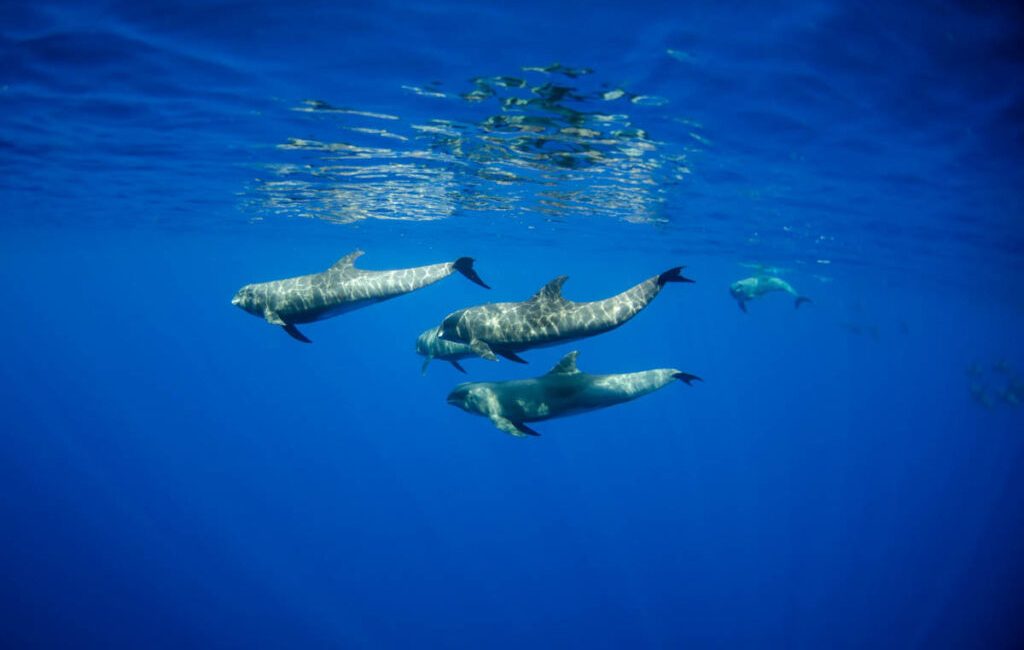
Divers often talk about silence underwater. The absence of engines, the slow rhythm of breathing, the drifting calm that settles over a reef at depth. Yet science tells a very different story. Beneath the surface lies one of the most complex communication networks on Earth, a layered language built from sound, colour, movement and chemistry. Marine life is not quiet at all. It is constantly talking, signalling, warning, attracting, and negotiating survival.
Understanding that hidden dialogue changes how we see every dive. What looks like random movement becomes intention. What sounds like background noise becomes conversation.
Sound, the Ocean’s Primary Language
Light fades quickly underwater, but sound travels vast distances with remarkable clarity. That simple physical reality has shaped evolution across the oceans. According to research published by NOAA Fisheries, many marine animals depend on acoustic signals not only to communicate but to locate prey, navigate, and interpret their surroundings, turning the ocean into an acoustic landscape rather than a visual one.
Whales and dolphins are perhaps the most familiar examples. Echolocation clicks, whistles and songs form complex communication systems that scientists are still trying to decode. The detailed breakdown of cetacean sound production explained by Smithsonian Ocean shows how toothed whales focus sound through specialised fatty structures in their heads, effectively “seeing” through echoes.
For divers, this acoustic world is usually hidden. Without hydrophones, much of the reef’s chatter remains beyond human hearing. Yet even shallow reefs are filled with snaps, grunts, hums and pulses created by fish, shrimp and invertebrates.
Research highlighted by Discovery of Sound in the Sea demonstrates that many fish species produce sound primarily during courtship or territorial displays. That evening chorus you sometimes hear on a night dive is not random noise. It is an underwater social network unfolding in real time.
Chemical Conversations You Can’t See
Not all marine communication is audible. In fact, much of the ocean’s “language” is invisible. Chemical signals drift through currents carrying information about predators, food sources, territory and reproduction.
A comprehensive review published through the National Center for Biotechnology Information describes chemical cues as a fundamental driver of behaviour across marine ecosystems, from microscopic plankton to reef fish and invertebrates. These signals can trigger everything from schooling behaviour to alarm responses.
For divers, this invisible communication explains some familiar observations. A reef that suddenly erupts into flight may be responding to a chemical warning released by a stressed fish. Cleaner shrimp finding their clients or corals engaging in allelopathic battles with neighbouring species are all part of a silent chemical dialogue.
Even larval fish use sound and chemical signals to find their way home to reefs, suggesting that the “voice” of a reef extends far beyond what we can perceive.
Visual Signals, Flashing Colours and Body Language
If sound dominates long-distance communication, visual signalling rules the close encounters that divers witness every day. Colour changes in cephalopods, fin displays in angelfish, or the rhythmic waving of cleaner wrasses are all forms of structured communication.
While many divers interpret colour changes simply as camouflage, researchers increasingly recognise them as dynamic messaging systems. Rapid chromatophore shifts in octopus or cuttlefish can signal aggression, courtship, or confusion in fractions of a second. Even subtle posture changes can convey meaning, especially among schooling fish that rely on body language to maintain formation.
Body orientation, fin flicks and spacing between individuals often tell a story before any obvious behaviour unfolds. Observant divers quickly learn to read these signals, recognising when a fish feels threatened or when a hunting sequence is about to begin.
The Reef Soundscape, A Living Orchestra
Modern research into reef acoustics reveals that coral reefs have distinct sonic identities. Studies on reef bioacoustics show that low-frequency biological sounds can even serve as indicators of reef health, offering scientists new tools to monitor ecosystems without direct visual surveys.
The idea of reefs as soundscapes transforms how we interpret underwater environments. Instead of isolated animals making individual noises, the reef becomes a collective chorus. Snapping shrimp form the crackling background, fish create pulses and grunts layered over the top, while distant whales or dolphins occasionally cut through the noise like long-distance radio signals.
For divers, this perspective reframes the experience of drifting over a reef at dusk. What feels peaceful may actually be the busiest communication period of the day.
Why Understanding Marine Language Matters
Decoding marine communication is not just academic curiosity. It has real conservation implications. Noise pollution from ships, sonar and construction can mask the signals animals rely on, disrupting feeding, mating and navigation. Research summarised by NOAA Fisheries explains how anthropogenic sound interferes with species that evolved to depend on acoustic information, forcing them to adapt or abandon habitats.
For divers and the dive industry, this knowledge carries responsibility. Awareness of how marine life communicates encourages slower approaches, better buoyancy, and reduced disturbance. Even the sound of bubbles or fin kicks can alter behaviour in sensitive species.
It also offers a deeper reward. Once you begin to recognise the reef as a network of signals rather than static scenery, every dive becomes more immersive. The hunting grouper positioning itself near a cleaning station, the subtle flashes between mating fish, the faint crackle of shrimp after sunset, all take on new meaning.
Listening Differently on Your Next Dive
The ocean’s secret language is not one system but many overlapping forms of communication working together. Sound travels across kilometres, chemicals drift with currents, colours flash across seconds, and body language fills in the gaps.
Most divers enter the water expecting to observe marine life. Few realise that they are entering an ongoing conversation. Learning to interpret that conversation does not require scientific equipment. It begins with patience, observation and curiosity.
Pause longer at a cleaning station. Watch how fish change colour when approached. Listen for subtle differences in reef noise between day and night. Over time, patterns emerge.
The more we learn about how marine life communicates, the clearer it becomes that the ocean is anything but silent. It is a world of signals layered on top of each other, a living language that has evolved for millions of years.
And once you start noticing it, every dive feels less like visiting an aquarium and more like stepping into a story already being told.
THE SCUBA NEWS Link !
DemirHindiSG 13 Şubat 2026-14:09