
 Nöbetçi Eczaneler





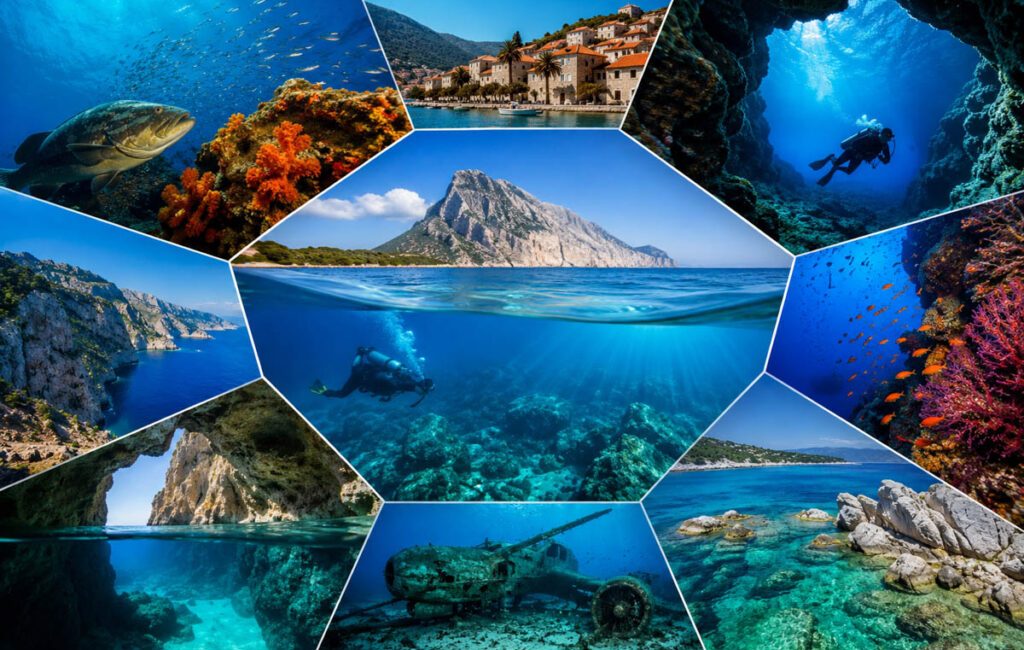
Summer is a great time to explore the Mediterranean beneath the surface. Calm seas, warm water, and clear visibility open the door to relaxed shore dives, sheer walls, and historic wrecks resting in the blue. Destinations like Malta and Cyprus often draw much of the attention, yet quieter corners of the Mediterranean can be just as memorable, often with fewer crowds. Colorful reefs, underwater caves, protected marine areas, and passing pelagic species give each stop its own character. Here are eight Mediterranean dive spots to add to your summer bucket list.
Tavolara Marine Protected Area, Sardinia, Italy
Just off the northeastern coast of Sardinia, Tavolara Marine Protected Area pairs dramatic underwater landscapes with a carefully protected marine ecosystem. Rocky reefs, crevices, and seagrass meadows are alive with fish, giving even a slow dive plenty to watch.
Summer visibility can exceed 30 meters (98 feet), and water temperatures often sit around 23-27°C (73-81°F). Divers move along limestone walls and through rocky passages before the scenery opens into seagrass meadows and reefs bright with sponges. Groupers, amberjacks, barracuda, octopus, moray eels, and nudibranchs add life to the reef, with eagle rays sometimes passing through the blue.
The area suits everyone from newly certified divers to experienced photographers, with some sites beginning around 8 meters (26 feet) and descending beyond recreational limits. Between dives, Sardinia’s coastal villages and white-sand beaches offer an easy change of pace.
Vis Island, Croatia
Far from Croatia’s busiest tourist centers, Vis blends history with clear-water diving. Once closed to foreign visitors during the Cold War, the island still has a quieter, less developed feel above and below the surface.
Summer usually brings calmer conditions, water temperatures around 22-26°C (72-79°F), and visibility that can reach 35 meters (115 feet). The island is known for underwater cliffs, caves, and a remarkably well-preserved B-17 Flying Fortress resting at about 72 meters (236 feet) for properly trained technical divers. Recreational divers have shallower wreck options such as Teti, which begins around 8-10 meters (26-33 feet). Vassilios starts near 22 meters (72 feet) but slopes down to about 55 meters (180 feet), so the route needs to match the diver’s training and experience. Rocky walls and reefs around the island drop into blue water where damselfish, dentex, and groupers move through the scene.
Vis suits divers who like a little history on both sides of the surface. After a day around walls and wrecks, quiet vineyards, old towns, and seafood restaurants slow the pace right back down.
Karpathos, Greece
Many divers head straight for Crete or Rhodes, but nearby Karpathos stays refreshingly uncrowded. Rugged coastlines, clear water, and dramatic underwater topography give many dives an untouched feel.
Summer visibility can reach 30-40 meters (98-131 feet), with water temperatures around 22-27°C (72-81°F). Steep walls, rocky formations, small caverns, and colorful reefs create varied dives for intermediate and advanced divers. Keep an eye along the rocks for groupers, moray eels, and octopus, with barracuda sometimes appearing farther out in the blue.
Karpathos is particularly rewarding for divers who prefer peaceful sites without heavy boat traffic. After diving, traditional mountain villages such as Olympos offer a glimpse of Greek island life that feels far removed from the larger resorts.
Cap de Creus Natural Park, Spain
Located on Spain’s northeastern coast near the French border, Cap de Creus is easy to overlook despite its dramatic underwater scenery. Powerful winds have shaped the rocks above the surface. Underwater, rocky pinnacles, tunnels, and steep walls create a rugged dive landscape.
Summer conditions are generally good, with water temperatures around 21-25°C (70-77°F) and visibility often in the 20-30 meter (66-98 foot) range. Schools of barracuda and sea bream sweep past the rock, while conger eels and nudibranchs draw your eye closer to the reef. Deeper down, red and lilac gorgonians spread across the walls.
The Tramontana winds can change conditions quickly, so a few extra days in your itinerary give you more flexibility. Between dives, wander the old, cobbled streets of Cadaqués or explore the landscapes that inspired Salvador Dalí.
Gozo, Malta
Malta is well known to divers, but neighboring Gozo often gets less attention despite offering equally impressive underwater scenery with a slower pace of life. The compact island brings shore diving, boat diving, caves, arches, and dramatic walls within easy reach.
Summer water temperatures can reach 24-28°C (75-82°F), with visibility frequently exceeding 30 meters (98 feet). Sites such as Cathedral Cave, Blue Hole, and Inland Sea feature spectacular swim-throughs and towering rock formations illuminated by Mediterranean sunlight. Octopus, cuttlefish, amberjacks, scorpionfish, and large schools of bream add movement to the rocky scenery.
Gozo suits a wide range of experience levels thanks to its varied dive sites. Divers drawn to overhead environments can use the SSI Extended Range Cavern Diving program to build daylight-zone cavern skills, including gas management and buddy procedures, before progressing to more advanced cave training.
Away from the water, Gozo’s historic citadel, coastal hiking trails, and quiet villages make it easy to enjoy a relaxing Mediterranean escape.
Kaş, Turkey
The small harbor town of Kaş has quietly grown into a favorite eastern Mediterranean dive base. It has kept a laid-back atmosphere yet gives divers access to sites rich in history and marine life.
Summer brings calm seas, visibility of 25-35 meters (82-115 feet), and water temperatures around 24-29°C (75-84°F). Divers can explore reefs, underwater canyons, archaeological remains, and several wrecks, including a military transport aircraft, the C-47 Dakota, intentionally sunk as an artificial reef at about 22 meters (72 feet), within reach of divers trained for that depth.
Loggerhead turtles, stingrays, groupers, and schools of barracuda are regular highlights, and macro photographers can slow down over rocky reefs to look for nudibranchs and small crustaceans tucked into the gaps.
Kaş can also offer good value compared with many Mediterranean destinations, making it attractive for divers who want several days underwater without pushing the travel budget too far.
Port-Cros National Park, France
As France’s oldest marine national park, Port-Cros shows what decades of protection can look like underwater. Fishing restrictions have helped create an underwater environment where marine life flourishes across rocky reefs and Posidonia seagrass meadows, giving divers a close look at a protected Mediterranean ecosystem.
Summer water temperatures range from about 22-26°C (72-79°F), with visibility often reaching 25 meters (82 feet) or more. Large groupers, schools of sea bream, barracuda, moray eels, and colorful sea fans fill the reefs, and healthy Posidonia seagrass meadows shelter smaller species close to the bottom.
Because the park is protected, access is carefully managed to preserve the environment, so divers should book ahead during peak summer months. Surface intervals can then be spent on hiking trails that cross the island’s forests and lead toward secluded coves.
Lavezzi Islands, Corsica, France
Located between Corsica and Sardinia, the Lavezzi Islands sit within the protected Bouches de Bonifacio and remain a quieter Mediterranean treasure. Granite boulders, clear water, and protected seabeds create striking summer dives around the archipelago.
Visibility can be excellent in summer, and water temperatures often sit around 22-26°C (72-79°F). Underwater, dramatic boulder fields form passages, drop-offs, and rocky reefs where groupers and barracuda move between the granite blocks and smaller reef life gathers in the shelter of the rocks.
Currents can occasionally build around exposed sites, creating rewarding drift dives for experienced divers and bringing more movement into the blue. The SSI Waves, Tides & Currents Specialty helps divers understand moving water and assess changing conditions before tackling exposed sites like these.
Corsica itself offers beautiful mountain scenery, charming coastal towns, and excellent hiking, making it easy to combine diving with other outdoor adventures.
Planning Your Mediterranean Summer Dive Trip
The Mediterranean usually brings reliable summer weather, but every destination has its own rhythm. July and August offer the warmest water and longest days. June and September can bring similar dive conditions with fewer crowds and, in many places, lower accommodation prices. If your schedule is flexible, traveling just outside the peak holiday weeks can make the whole trip feel more relaxed underwater and on land.
Many Mediterranean destinations are linked by low-cost flights, making it easier to combine several regions into one extended trip. If you are still choosing where to go, Scubago lets you compare Mediterranean dive destinations, dive sites, and dive centers in one place. Renting a car is often worthwhile, especially on islands such as Sardinia, Corsica, or Karpathos, where some of the best dive centers and coastal attractions are spread across different towns.
A Mediterranean dive trip can involve flights, prepaid dive days, and a bag full of valuable gear. Before you leave, it is worth checking DiveAssure dive-travel insurance. Depending on the plan, it may cover issues such as trip cancellation, delayed or lost dive gear, diving-related medical care, and lost diving days.
While most summer dives are comfortable in a 3-5 mm wetsuit, conditions can vary with depth and currents, so check with your local dive center before you travel. If you are planning to dive marine parks or protected areas, booking dives in advance is recommended, particularly during the busiest weeks of summer.
From Croatia’s historic wrecks and Sardinia’s thriving marine reserves to the peaceful islands of Greece and the protected waters of southern France, the Mediterranean offers far more variety than many divers realize. Look beyond the Mediterranean’s familiar dive names, and one trip can take you from quiet island reefs and historic wrecks to protected marine parks and small coastal towns. That mix is what makes summer such a rewarding time to explore the Mediterranean underwater.
THE SCUBA NEWS Link !
DemirHindiSG
13 Ağustos 2026-23:19
