
 Nöbetçi Eczaneler







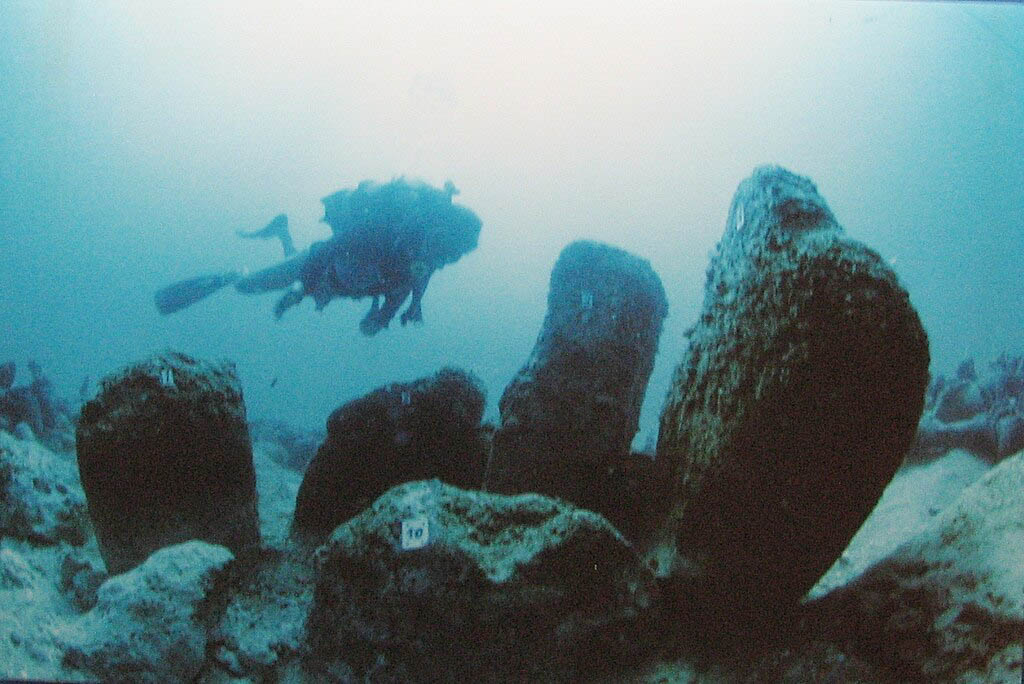
From the Aegean Sea to the shores of India and the fringes of the North Sea plain, entire settlements lie hidden beneath the waves. These are not myths alone. The narrative of cities swallowed by the sea, once thriving on coasts and riverbanks, is grounded in archaeology, geology, and palaeoclimate science. In this feature for The Scuba News, we dive into five remarkable examples of submerged civilisations, the forces that destroyed them, how technology now reveals them, and why they matter to divers today.
Why cities ended up underwater
Sea-level rise was one of the primary culprits. At the end of the last Ice Age, around 20,000 years ago, sea levels were up to 120 m lower than today, according to research from National Geographic. As the ice melted and oceans expanded, low-lying coastlines and river deltas were slowly inundated.
In northern Europe, scientists have identified vast prehistoric plains that once stretched beneath what are now the North and Baltic Seas. These lands, described in a report by Popular Mechanics, were home to early human settlements that vanished as sea levels rose between 8000 BCE and 6000 BCE.
Earthquakes, tsunamis, and soil liquefaction also played major roles. One of the best-documented examples is the Greek city of Helike, destroyed by an earthquake and tsunami in 373 BCE and swallowed by the sea almost overnight.
Finally, human settlement patterns contributed to the risk. Ancient societies clustered near coastlines for trade and food access, but that same proximity made them vulnerable to changing river courses and rising waters.
For divers, this means many ancient cities now rest in shallow or moderate depths, often 5-30 m, where coral and silt have transformed them into surreal underwater landscapes.
Five remarkable submerged cities
Pavlopetri – Southern Greece
Off the coast of Laconia lies Pavlopetri, a Bronze Age city dating back over 5,000 years. First mapped in 1967 and later studied with sonar and robotics, the site contains streets, rectangular stone houses, and chamber tombs just four metres below the surface.
Researchers believe gradual sea-level rise and seismic shifts led to its submergence. Pavlopetri remains one of the oldest known planned towns ever discovered underwater, revealing how early coastal communities adapted to maritime life.
Thonis-Heracleion – Egypt
Beneath the waters of Aboukir Bay lies Thonis-Heracleion, Egypt’s lost port city that once connected the Nile Delta to the Mediterranean. Archaeologist Franck Goddio uncovered colossal statues, canals, and docks that testify to its former splendour as a hub for Greek and Egyptian trade.
According to National Geographic, the city vanished due to a combination of ground subsidence, earthquakes, and rising seas that engulfed the delta. For divers, Heracleion offers one of the world’s most awe-inspiring underwater heritage sites complete with temples and statues now inhabited by marine life.
Atlit Yam – Israel
Located 400 m offshore near Haifa, Atlit Yam dates back to around 6900 BCE. Excavations have revealed circular stone sanctuaries, human burials, and evidence of fishing and farming. Some researchers believe a tsunami triggered by a volcanic collapse of Mount Etna destroyed the village.
Today, Atlit Yam rests between 8 and 12 m below the surface. It offers divers a poignant glimpse into Neolithic life—an early coastal settlement frozen in time.
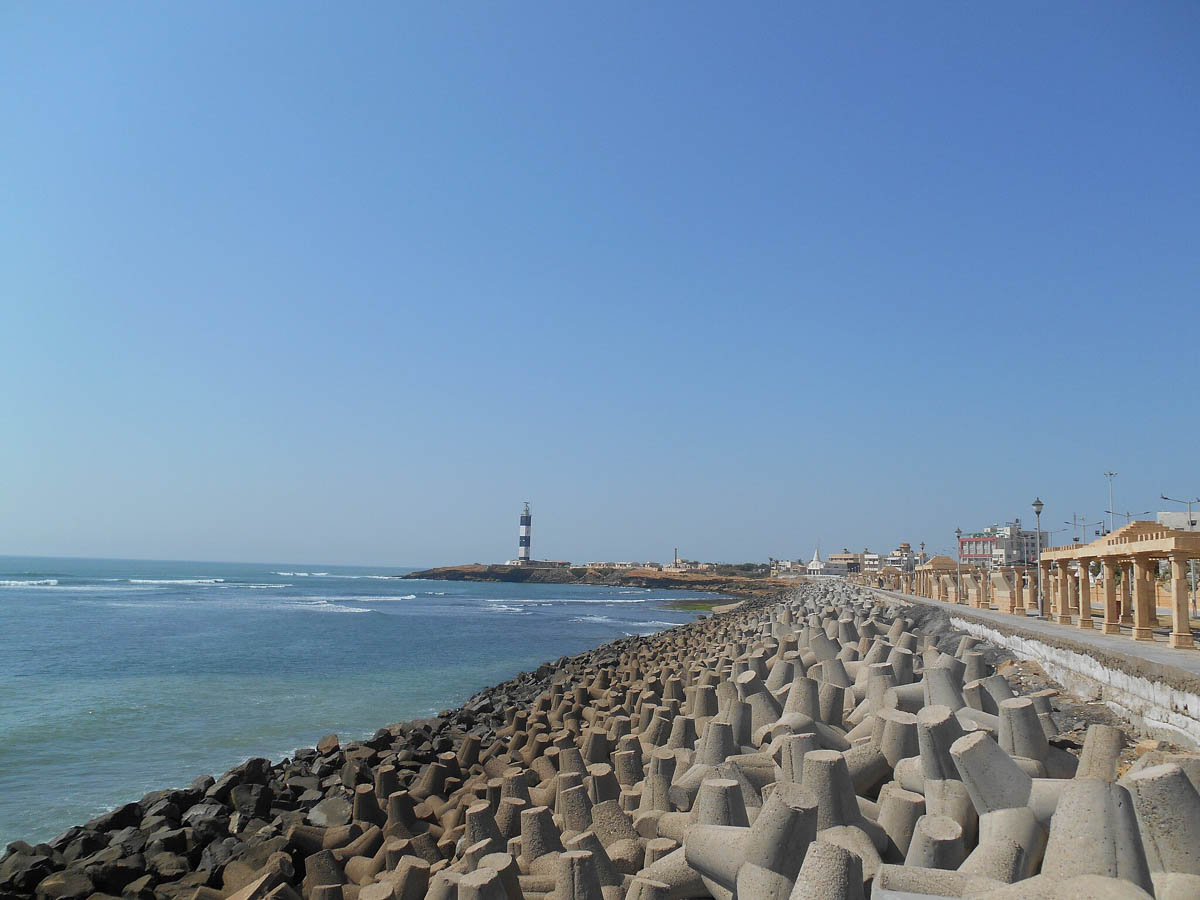
Venkygrams, CC BY-SA 4.0, via Wikimedia Commons
Dwarka – India
Just off the coast of Gujarat lies the submerged city of Dwarka. Underwater excavations have uncovered stone anchors, walls, and pottery that point to an ancient trading port, possibly referenced in Indian legend.
Though its origins remain debated, geologists attribute Dwarka’s disappearance to tectonic shifts and sea-level changes. It is less visited by divers than Mediterranean sites but remains a significant part of India’s maritime heritage.
Akra – Crimea, Black Sea
The ancient Greek colony of Akra, founded in the 6th century BCE, once guarded the entrance to the Kerch Strait. Rising sea levels gradually consumed its fortifications and harbour. Today, much of the city lies submerged, though excavations continue both on land and beneath the water.
For archaeologists, Akra illustrates the global reach of ancient coastal urbanism and the shared fate of societies built too close to the shifting sea.
What this means for divers
For divers and underwater photographers, submerged cities offer something different from shipwrecks: the remains of human lives once lived above the surface. Walking through their foundations connects us directly to people who faced the same coastal challenges we do now.
Yet these sites are fragile. Shifting sands, currents, and storms constantly reshape them. At Pavlopetri, sediment movement is already exposing previously buried structures. Responsible diving practices and awareness of heritage protection laws are essential to preserve these places for future generations.
Submerged cities also offer a stark lesson in environmental change. Rising seas ended ancient coastal communities and the same forces now threaten modern shorelines. For divers, visiting these sites can be both a thrilling adventure and a reflection on climate history.
The future of exploration
Advances in photogrammetry, sonar mapping, and ROV technology are revolutionising how we explore submerged heritage. Marine archaeologists working in the North and Baltic Seas are racing to document ancient landscapes described by Popular Mechanics before they are disrupted by offshore development.
New discoveries emerge every year, challenging myths like Atlantis with real evidence of how human civilisations adapted and sometimes succumbed to their environment.
For divers, photographers, and marine historians, these discoveries are not just remnants of the past, but blueprints for our future relationship with the ocean.
Conclusion
The sea hides the ruins of cities once bustling with life. Pavlopetri’s stone streets, Heracleion’s colossal statues, and Atlit Yam’s Neolithic sanctuaries all remind us that the boundary between land and sea has never been fixed.
For modern divers, exploring these underwater ruins is not simply about adventure – it is about witnessing history’s ebb and flow, and understanding how closely our own story is tied to the ocean’s depths.
THE SCUBA NEWS Link !
DemirHindiSG 12 Kasım 2025-21:18

