
 Nöbetçi Eczaneler






The event, known as Aqaba Blue: Ocean Future in Action, is scheduled for September 2026 at the Aqaba International Exhibition and Convention Centre. According to an official listing on boot Düsseldorf’s exhibitor platform, the exhibition aims to bring together diving, marine technology, water sports, and ocean sustainability under one regional platform, a clear signal that this is intended to reach beyond recreational diving alone.
Not Just an Event, A Statement of Intent
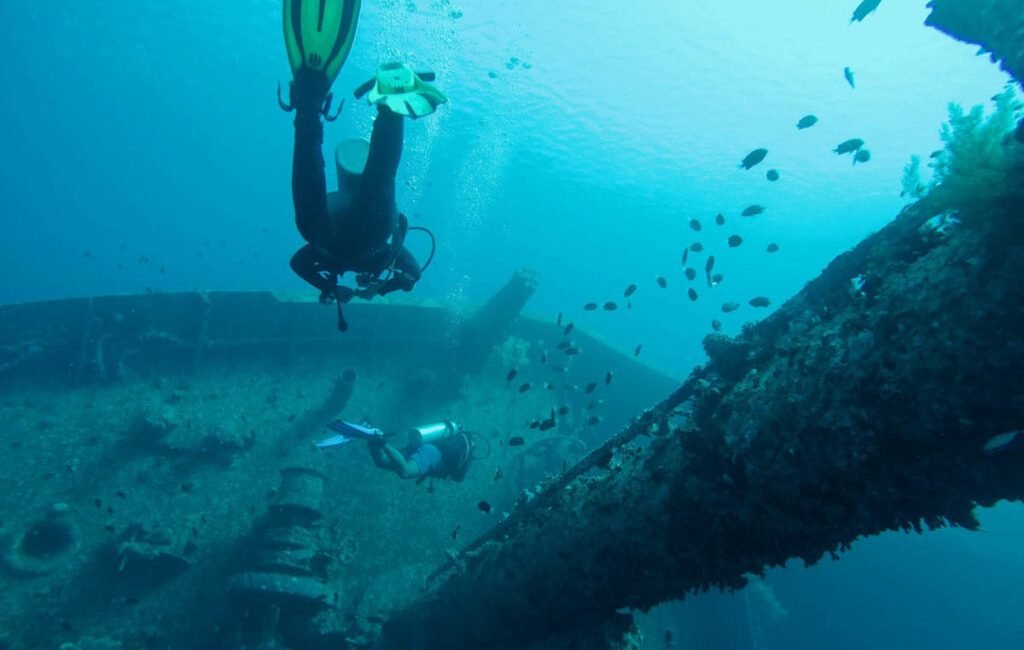
For divers who know the Red Sea well, Aqaba has always been slightly different from its Egyptian neighbours. The coastline is short, just a narrow stretch at the northern end of the Gulf of Aqaba, yet it hosts more than twenty accessible dive sites and shallow wrecks that start at beginner-friendly depths, as outlined in a visitor guide from Visit Aqaba.
What is changing now is the scale of ambition behind the destination.
Jordan’s own state media has highlighted that the diving sector is increasingly seen as a cornerstone of Aqaba’s tourism strategy, with ongoing efforts to strengthen regulation, sustainability, and cooperation across the industry, according to reporting from Petra News Agency. Against that backdrop, launching a large international marine event begins to look less like a coincidence and more like a coordinated push.
The Blue Economy Narrative
The diving industry is often quick to focus on new gear launches or travel deals, but the messaging around Aqaba’s new convention leans heavily toward the broader “blue economy”. That matters.
Jordan has recently signed initiatives aimed at coral reef conservation, research development, and sustainable marine financing, part of a long-term programme tied to economic growth and environmental protection, as detailed in coverage from Petra News Agency. These projects align closely with the themes promoted by the new exhibition, suggesting the event may act as a showcase for the country’s wider marine strategy rather than purely a dive trade show.
For divers, that means the story is not just about booths and presentations. It is about how governments are beginning to treat diving as an economic driver tied to science, conservation, and tourism policy.
Why Aqaba, Why Now?
The Red Sea is undergoing rapid transformation. Saudi Arabia is investing heavily in mega-projects along its coastline. Egypt remains the dominant liveaboard and resort powerhouse. In that context, Aqaba’s strategy appears to be differentiation rather than scale.
Investment authorities promote the region as a growing hub for tourism, logistics, and marine activities, highlighting diving as a key opportunity within the Aqaba Special Economic Zone, according to official investment information published by Invest Jordan. At the same time, visitor numbers to Aqaba have been rising sharply in recent years, with a reported 42 percent increase during one period tracked by Roya News, showing that the destination is gaining traction again after challenging tourism cycles.
Layer those developments together, and a new international dive convention begins to make strategic sense.
Sustainability as a Selling Point
Another factor shaping Aqaba’s positioning is sustainability. Programs such as Green Fins have already reported measurable reductions in tourism-related threats to coral reefs in the area, achieving significant improvements within a short timeframe, according to an update from Green Fins. For a destination with limited coastline, protecting marine ecosystems is not just environmental policy, it is economic necessity.
Hosting an event focused on ocean innovation and conservation allows Aqaba to present itself as a forward-thinking alternative within the Red Sea, especially as divers become increasingly aware of environmental impacts.
What Divers Should Really Take From This
Right now, the new convention does not yet have the global recognition of established industry shows. Major manufacturers and training agencies have not widely publicised their involvement, and much of the current information originates from event listings and organisers.
But that does not make it insignificant.
Instead, it suggests we may be watching the early stages of a longer strategy. Aqaba is not trying to outscale the larger Red Sea markets. It appears to be carving out a niche built around sustainability, innovation, and regional partnerships.
If that approach succeeds, divers could see more investment in local infrastructure, conservation-focused diving initiatives, and possibly new travel routes that position Aqaba as a gateway between different Red Sea destinations.
The real story here is not whether one exhibition succeeds or fails. It is whether Aqaba’s broader push reshapes how divers think about the northern Red Sea in the years ahead.
THE SCUBA NEWS Link !
DemirHindiSG 11 Şubat 2026-12:01