
 Nöbetçi Eczaneler




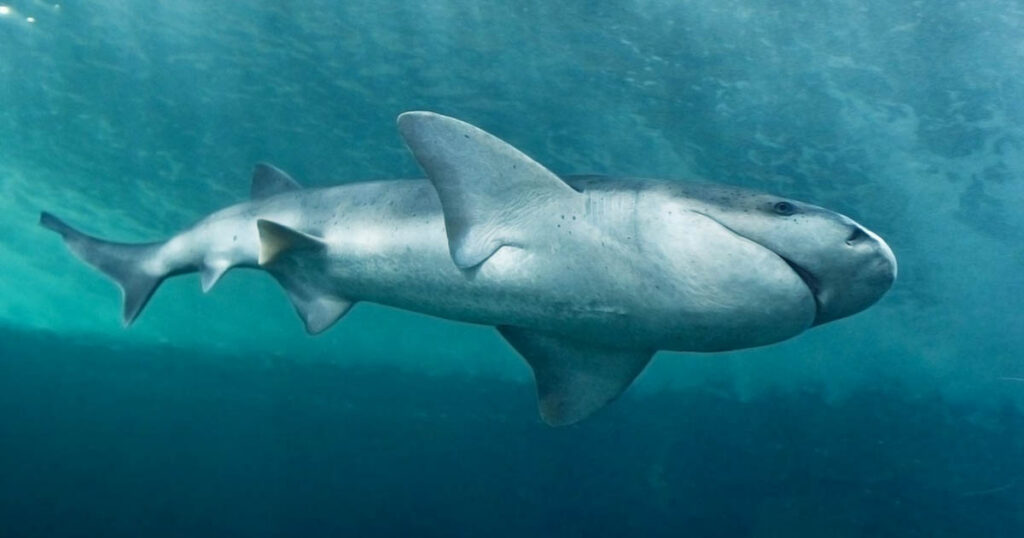
An experienced recreational diver has been airlifted to hospital after being bitten by a broadnose sevengill shark while diving off Tasmania’s Bruny Island on Saturday morning.
The 31-year-old man was diving with two companions approximately 50 metres offshore from Coal Point in Adventure Bay when the incident occurred. According to Tasmania Police, the group was diving at a depth of around eight metres when the diver sustained a serious bite to his lower forearm from what is believed to have been a two-metre broadnose sevengill shark. Despite the injury, he was able to return to shore with assistance from his fellow divers before emergency services were called at around 9:10 a.m. He was later flown by the Westpac Rescue Helicopter to Royal Hobart Hospital in a stable condition.
Police described the wound as serious but not life-threatening.
Inspector Darren Latham praised the diver’s companions and said the outcome could have been far worse.
“We’re very grateful he’s fine. It could’ve been a lot worse.”
The divers were described as highly experienced and had been diving in the area regularly over recent weeks. Police believe the group was also spearfishing at the time of the incident.
Following the incident, police patrolled the area aboard their vessel Dauntless but reported no further shark sightings. Authorities say the event appears to be isolated but are advising anyone entering the water around Bruny Island to remain aware of their surroundings and follow local safety advice.
About the Broadnose Sevengill Shark
The broadnose sevengill shark (Notorynchus cepedianus), sometimes referred to locally as the Tasmanian tiger shark, is one of the world’s oldest surviving shark species. It is commonly found in temperate coastal waters around southern Australia and Tasmania, where it feeds on fish, rays, cephalopods, seals and carrion.
Although a powerful predator, encounters involving bites to divers are uncommon. Local recreational fisherman Carl Hyland described the species as generally placid and noted that it is unusual to encounter one so close to shore.
“They’re the garbage guts of the sea… It’s strange for them to bite someone. They’re not usually caught or seen inshore.”
Understanding Shark Bites
While incidents involving sharks often attract significant attention, scientists and conservation organisations increasingly encourage the use of terms such as “shark bite”, “shark incident” or “human-shark interaction” rather than “shark attack.” These terms more accurately describe what occurred without implying deliberate aggression and reflect that most sharks do not view humans as prey.
In this case, authorities have not suggested why the bite occurred, and there is no indication that the shark remained in the area after the diver returned to shore.
THE SCUBA NEWS Link !
DemirHindiSG
18 Temmuz 2026-13:53
