
 Nöbetçi Eczaneler





Why Dive Mauritius
Imagine slipping beneath warm, crystal-clear water where visibility often exceeds 30 metres, gliding through coral-draped caverns and exploring sunken wrecks bursting with life. Mauritius diving is celebrated for its variety — from shallow lagoon dives for beginners to exhilarating wall and drift dives that challenge even experienced divers.
The island’s coral reefs are home to an astonishing range of marine species, and its volcanic topography gives rise to dramatic underwater landscapes. According to the Underwater Photography Guide, divers can expect soft corals, sea fans, and encounters with everything from tiny nudibranchs to reef sharks.
Mauritius also benefits from a well-developed tourism infrastructure. International flights connect directly to the island, and its many PADI-certified dive centres cater to all experience levels. After your dives, you’re never far from white sand beaches, Creole cuisine and the relaxed rhythm of island life.
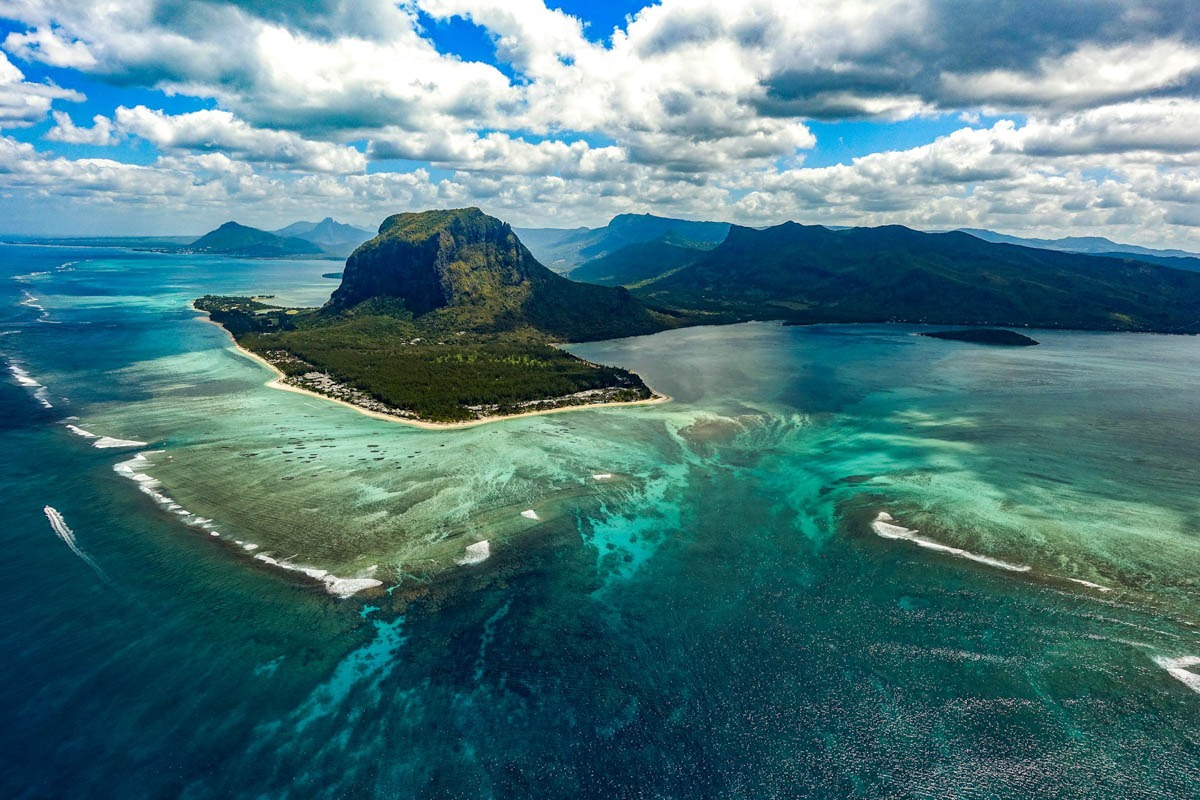
Photo by Xavier Coiffic on Unsplash
Getting There and Diving Logistics
Most visitors arrive via Sir Seewoosagur Ramgoolam International Airport (MRU), which connects easily with Europe, Africa and Asia. Once on the island, dive centres are plentiful along the coasts, especially near Grand Baie, Flic-en-Flac, and Belle Mare. Many operators, such as those featured by Edelweiss Airlines, provide transfers, courses and multi-day dive packages.
If you’re getting certified, Tails of a Mermaid details how calm lagoon conditions and reliable instructors make Mauritius ideal for new divers. Equipment rental is widely available, though many experienced travellers prefer bringing their own gear for comfort and fit.
When to Dive
Mauritius is a year-round dive destination, with water temperatures ranging from 21°C in the cooler months to 30°C during summer. Visibility often stretches beyond 25 metres, making it perfect for photographers.
According to Mauritius Attractions, the prime diving months are from October to December and March to April, when the seas are calm and the weather settled. Cyclone season typically falls between January and early March, when surface conditions can become unpredictable.
No matter when you visit, you’ll find something worth diving for, from colourful reef life to deep-water pelagics that thrive in the island’s nutrient-rich waters.
What to Expect Beneath the Surface
Coral Gardens and Marine Life
The island’s coral reefs are a living tapestry of hard and soft corals. As Mauritius Hotels highlights, divers are greeted with vibrant sponges, sea fans, gorgonians, and colourful reef fish. Macro lovers will find endless photographic opportunities with creatures like peacock flounders, mantis shrimp and ribbon eels.
Those craving bigger encounters can venture to the outer reefs, where Mauritius Attractions notes sightings of reef sharks, tuna and schools of jackfish. Some areas even attract bull sharks during the right season.
Several wreck sites now function as artificial reefs, supporting dense coral growth and abundant sea life – a treat for wreck enthusiasts.
Dive Sites Worth Exploring
Coin de Mire and the Djabeda Wreck
Off the northern coast, the volcanic islet of Coin de Mire offers some of Mauritius’s best-known dives. The Djabeda Wreck, a Japanese fishing vessel deliberately sunk in the 1980s, is now encrusted with pink corals and visited by countless reef species. The nearby Wall and Confetti Bay sites provide thrilling topography with steep drop-offs and swim-throughs, according to Mauritius Now.
The Cathedral, Flic-en-Flac
Located on the west coast, The Cathedral is perhaps Mauritius’s most iconic dive. Caverns, arches, and shafts of light filtering through volcanic rock create a cathedral-like effect underwater. Mauritius Now describes it as a must-do for photographers and advanced divers alike.
Trou-aux-Biches and Grand Baie
Perfect for beginners, these northern reefs offer easy conditions, abundant marine life and gentle currents. The Broke Backpacker notes that many training dives and Discover Scuba sessions take place here, often with turtle encounters.
Stella Maru Wreck
Another Japanese trawler resting near Trou-aux-Biches, the Stella Maru is now a thriving artificial reef. Mauritius Attractions lists it among the island’s most photogenic wrecks.
Belle Mare and St. Jacques Drift
For those craving current, the east coast’s Belle Mare and the St. Jacques drift near Le Morne are exhilarating. Mauritius Hotels highlights their rich coral formations and fast-moving pelagics. These dives are best suited to advanced divers due to the dynamic water movement.
Who It’s For
Mauritius caters beautifully to every type of diver. Beginners can earn their first certification in calm lagoons, while advanced divers can tackle drift dives and deep wrecks. Mauritius Guided Tours recommends the island for mixed-ability groups, as conditions vary from sheltered to challenging within short distances.
Why Mauritius Belongs on Your Dive Bucket List
Mauritius offers the rare combination of diversity, safety, and accessibility. The reefs remain vibrant, dive operators are professional and eco-conscious, and the underwater landscape is as varied as the culture above it.
Where else can you explore coral gardens in the morning, drift past reef sharks by noon, and sip a rum cocktail on a palm-lined beach by sunset? Mauritius is the complete dive holiday, one that blends adventure, relaxation, and discovery in perfect balance.
So if your next dive trip calls for warm waters, world-class visibility, and just a touch of the exotic, look no further than Mauritius – where paradise continues beneath the waves.
Find Mauritius Travel Options
All products featured here are independently selected by our editors and writers. If you buy something through links on our site, The Scuba News may earn a small commission, but this does not affect the price you pay. Any prices included are correct at time of publication.
THE SCUBA NEWS Link !
DemirHindiSG 07 Kasım 2025-17:20
