
 Nöbetçi Eczaneler






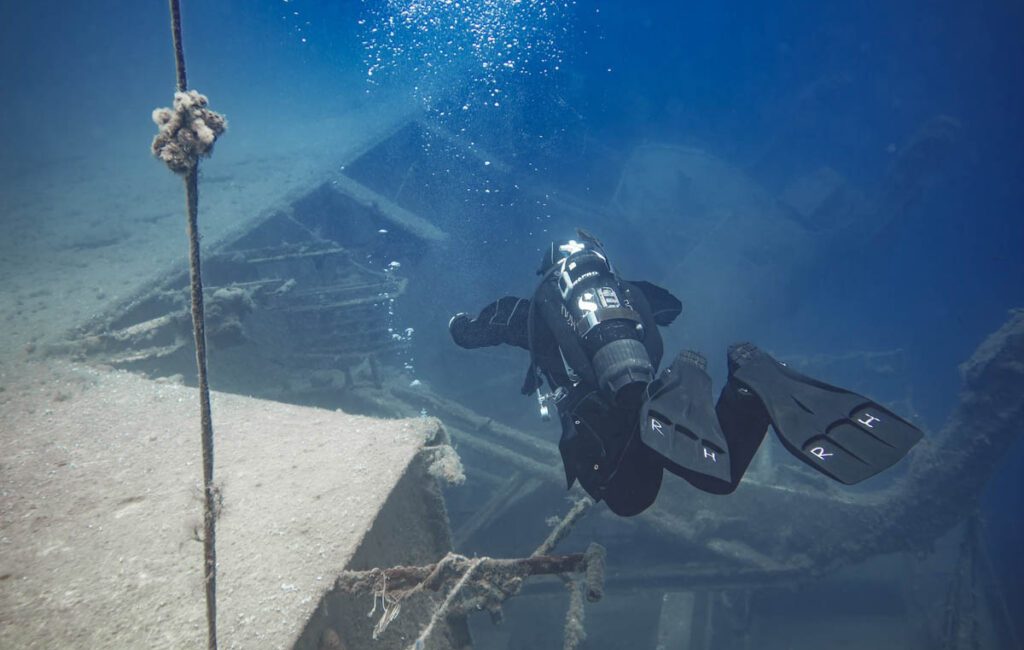
Cyprus is moving towards mandatory licensing and stronger oversight of recreational diving operators, with new legislation under parliamentary consideration just days after a British diver died following an incident at the Zenobia wreck.
Cyprus has begun examining legislation that could fundamentally change how recreational diving businesses operate across the island, introducing mandatory licensing, professional standards and new enforcement powers in a sector that currently lacks a dedicated regulatory framework.
The proposed Diving and Recreational Diving Service Providers Law of 2026 was discussed by the House Energy, Commerce, Industry and Tourism Committee on Tuesday, 17 November.
The parliamentary discussions come just one week after the death of a 61-year-old British diver following an incident near the famous Zenobia shipwreck off Larnaca on 10 November.
Although work on the legislation predates the latest fatality, the timing has brought renewed attention to diving safety, commercial oversight and the responsibilities of operators in one of the Mediterranean’s most established diving destinations.
Mandatory Licensing for Diving Operators
Under the proposed legislation, recreational diving businesses, diving schools, independent instructors and operators providing diving services from vessels would be required to obtain an official licence.
Licences would be issued by the Deputy Ministry of Tourism, with a proposed validity period of three years and an application fee of €200.
Operators would also need to demonstrate compliance with recognised standards, including CYS EN ISO 24803, which covers requirements for recreational diving service providers.
Other proposed requirements include appropriately qualified instructors, professional liability insurance and compliance with operational standards.
Providing diving services without the necessary licence could become a criminal offence, carrying penalties of up to €8,000, imprisonment for up to two years, or both.
The proposals also provide for an official register of licensed operators and a system of inspections intended to strengthen regulatory oversight.
The legislation remains under parliamentary consideration, and these requirements are not yet in force.
More Than 100,000 Dives Every Year
Figures presented during the parliamentary discussions underline the scale of Cyprus’s recreational diving industry.
According to the Cyprus Diving Centres Association, more than 100,000 dives are conducted around the island annually.
Approximately 30,000 take place at the Zenobia shipwreck off Larnaca, while the Protaras area accounts for more than 60,000 dives each year.
A 2023 study commissioned for the Deputy Ministry of Tourism identified 86 diving centres and 69 dive sites across Cyprus, including 17 wrecks and six artificial reef parks.
Despite this substantial activity, officials told parliament that the country does not currently have a dedicated licensing and supervision system specifically governing recreational diving service providers.
Only around eight to ten centres reportedly hold ISO certification.
Deputy Minister of Tourism Kostas Koumis explained that the proposed framework is intended to improve service quality, strengthen safety requirements and support the continued development of diving tourism.
Zenobia Fatality Brings Safety Into Focus
The parliamentary debate follows the death of a British diver near the Zenobia wreck on 10 November.
According to an official announcement from the Cyprus Joint Rescue Coordination Centre, emergency services were alerted at approximately 10:10am after receiving information about an unconscious diver in the area of the wreck.
The 61-year-old was recovered by the Port and Marine Police and transported to Larnaca General Hospital, where he was pronounced dead.
The circumstances that led to the incident have not been conclusively established in the information publicly available, and no connection has been demonstrated between the death and any alleged failure by a diving operator.
During the parliamentary discussions, representatives were informed that seven diving fatalities have been recorded at the Zenobia site since it opened to divers.
Three diving deaths have reportedly occurred across Cyprus during 2026.
The figures highlight the importance of clear safety procedures, emergency response arrangements and effective investigation processes, although fatality numbers alone cannot establish the overall level of diving risk without considering the volume and nature of diving activity.
Industry Concerns Over Unequal Regulation
Although diving industry representatives broadly welcomed the introduction of a regulatory framework, several aspects of the draft legislation have already prompted objections.
One of the principal concerns involves proposed exemptions for certain sporting federations and affiliated clubs.
The Cyprus Diving Centres Association argued that organisations providing organised diving training or services should be subject to equivalent safety and operational requirements, regardless of whether they operate commercially or on a non-profit basis.
The association warned that exemptions could create gaps in safety oversight and unequal conditions between diving providers.
The Cyprus Chamber of Commerce and Industry also raised concerns about the proposed exemptions.
Representatives of the sporting federation defended the distinction, maintaining that their clubs operate on a non-profit basis and provide training for members rather than competing directly with commercial operators.
Further questions were raised about whether technical diving and freediving are adequately addressed within the legislation.
Questions Over Diving Incident Investigations
Another significant area of debate concerns how serious diving incidents would be investigated.
Under the draft proposals, the Director General of the Deputy Ministry of Tourism could appoint a specialist committee to investigate serious incidents.
However, some parliamentarians questioned why such investigations would be discretionary rather than mandatory when defined criteria are met.
Police representatives also requested clearer provisions governing cooperation between investigators and the relevant authorities.
Existing procedures already allow police to investigate sudden or unexplained deaths and examine potential criminal liability.
The proposed framework raises a separate question about how technical findings, equipment assessments and operational safety lessons could be examined and documented following serious diving incidents.
Industry representatives have called for appropriately qualified specialists and relevant emergency services to be involved in the investigation process.
What Happens Next?
The parliamentary committee has requested written comments and recommendations from stakeholders before continuing its examination of the legislation.
Outstanding questions include the proposed exemptions, recognition of training and certification bodies, inspection procedures, insurance requirements and the mechanisms for investigating serious diving incidents.
The final provisions may therefore change before the legislation is submitted for approval.
For Cyprus’s diving industry, the outcome could represent an important shift towards a more formal system of licensing, supervision and professional accountability.
For visiting divers, recognised operational standards and clearer oversight could provide greater transparency when choosing a diving provider.
However, the effectiveness of any new framework will depend not simply on licensing requirements, but on how consistently standards are implemented, monitored and enforced.
With more than 100,000 dives taking place around Cyprus each year, the legislation has implications extending well beyond the Zenobia wreck.
It could help establish how one of the Mediterranean’s major recreational diving destinations balances industry growth, professional standards and diver safety in the years ahead.
Kaynak: SCUBA NEWS
