
 Nöbetçi Eczaneler







Niagara Falls is famous for its spectacular waterfalls and lively attractions, but it also possesses a rich and energetic history that mirrors the power of its flowing waters.

The Upper Steel Arch Bridge—commonly called the Honeymoon Bridge and sometimes referred to as the Fallsview (or Falls View) Bridge—was an international crossing over the Niagara River. It linked Niagara Falls in Ontario, Canada, with Niagara Falls in New York, USA. The bridge stood roughly 500 feet (150 meters) upstream from where the Rainbow Bridge now spans the river. In 1938, the structure collapsed and was later replaced by the current bridge.
Constructed in 1897–1898 by the Pencoyd Bridge Company, the Upper Steel Arch Bridge stood about 14 feet (4.3 meters) nearer to the American Falls than the earlier bridge it replaced. At the time of its completion, it held the distinction of being the world’s largest steel arch bridge. The design accommodated two trolley tracks, along with space for horse-drawn vehicles and pedestrians. Each winter, the structure faced serious threats from ice formations spanning the river. In January 1899, an especially large ice buildup pressed against the bridge’s abutments, which were positioned close to the water’s surface. To address this danger, engineers later reinforced the abutments with a protective stone wall rising 24 feet (7.3 meters) high.
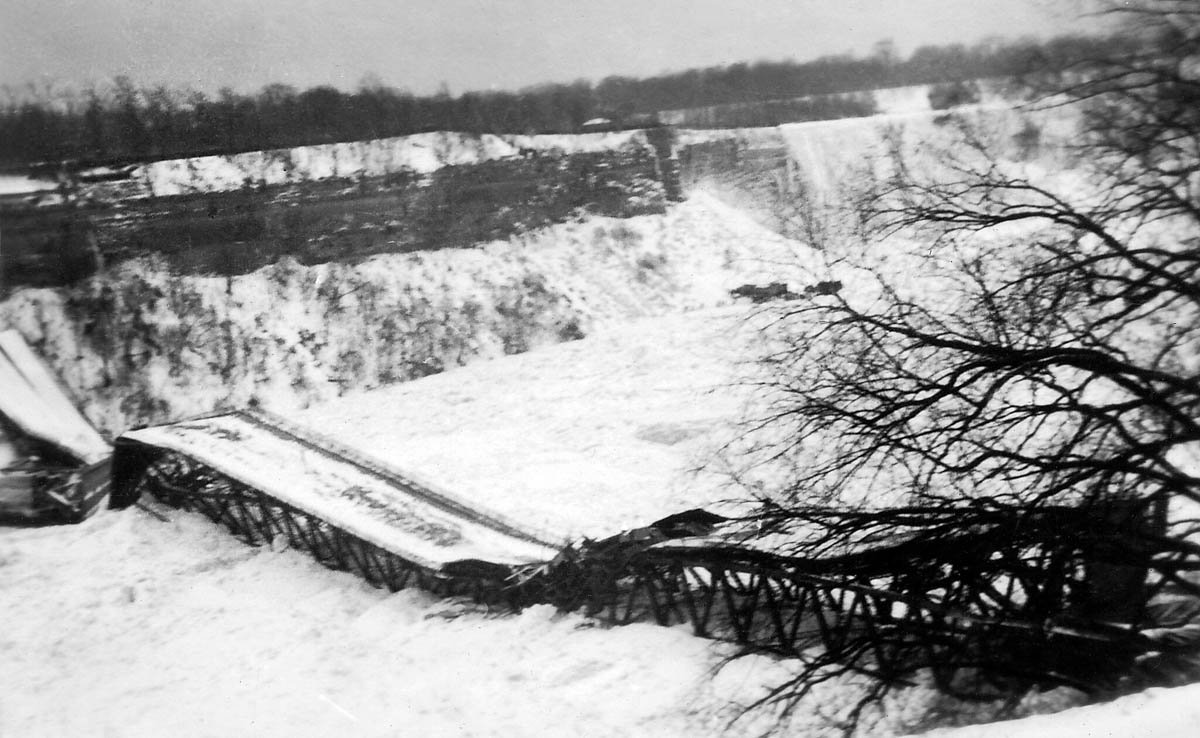

The protective measures around the bridge’s abutments remained effective for nearly four decades, but they ultimately failed on January 27, 1938, when the bridge gave way. A powerful windstorm over Lake Erie forced an enormous mass of ice over Niagara Falls, causing an estimated 100 feet (30 meters) of ice to press against the structure. The bridge finally collapsed at 4:20 p.m., as thousands of spectators gathered to witness the event. The entire span fell into the river largely intact. Cleanup and demolition efforts took place between February and April of 1938, during which the remaining sections were either dismantled or submerged. Soon after, work began on a replacement bridge designed with abutments positioned much higher above the water.
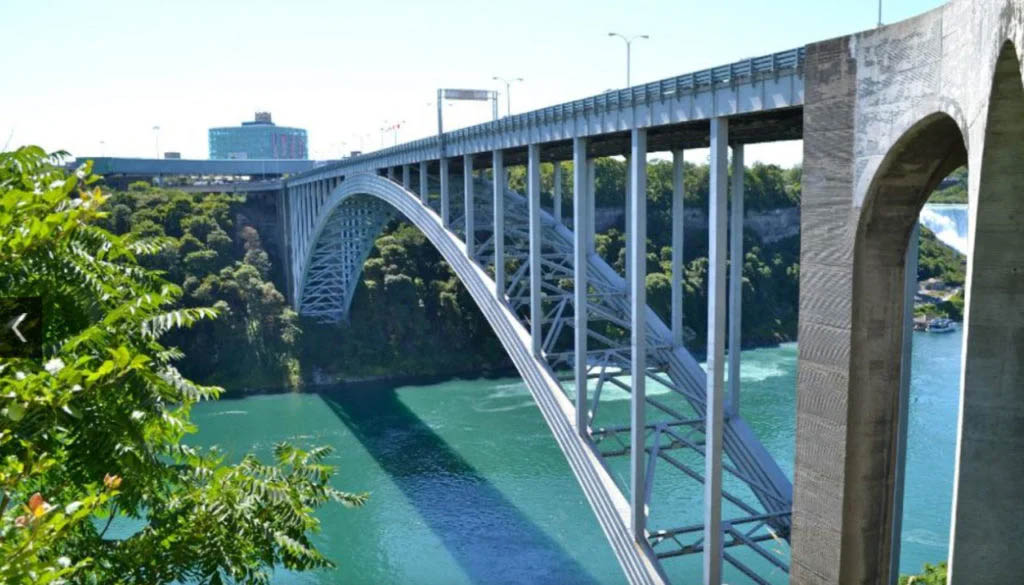
This new crossing, named the Rainbow Bridge, officially opened to the public in November 1941.
THE SCUBA NEWS Link !
DemirHindiSG 06 Mart 2026-13:07