
 Nöbetçi Eczaneler




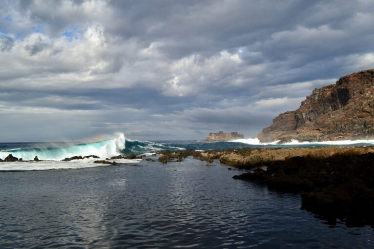
This guide explores what makes El Hierro special beneath the surface, where to dive, how to get there, and what divers actually say after experiencing it for themselves.
Why El Hierro Is Perfect for Beginner Divers
The heart of diving on El Hierro lies in the protected waters of the Mar de las Calmas Marine Reserve, a biodiversity hotspot established in 1996 to protect one of the richest ecosystems in the Canary Islands. According to the official Mar de las Calmas Marine Reserve information, the area supports diverse marine fauna, from reef species to cetaceans that occasionally pass offshore.
Most diving takes place around the fishing village of La Restinga on the island’s southern tip. Here, volcanic lava flows have created natural reefs, tunnels, and gentle slopes that are ideal for divers building confidence. Visibility often reaches 30 metres, which helps new divers relax and focus on buoyancy rather than navigation, a feature highlighted by regional diving overviews discussing the island’s exceptionally clear water.
Unlike busier destinations, dive centres tend to operate small RIB boats, and strict marine reserve rules keep traffic controlled. For beginners, that translates into quieter entries, fewer crowds underwater, and a slower pace that feels refreshingly personal.
Signature Dive Sites Beginners Should Know
El Bajón, The Iconic Volcanic Mountain
Perhaps the most famous dive on El Hierro, El Bajón is an underwater volcanic peak rising toward the surface in twin pinnacles. Official dive information from Diving in El Bajón describes steep walls rich with groupers, jacks, and passing pelagics.
Although deeper sections attract experienced divers, beginner-friendly profiles often stay shallower, exploring the upper reef where schools of fish cruise past lava formations. Many local operators describe the site as one of Europe’s most photogenic underwater landscapes thanks to its vertical terrain and blue-water backdrops.
Punta Restinga and the Lava Gardens
Close to the harbour, Punta Restinga showcases what makes El Hierro unique. The official Punta Restinga dive guide explains that the terrain includes arches, shelves, caves, and sandy platforms, all carved by ancient lava flows.
Beginner divers often start here because the descent is gradual and the navigation straightforward. Rays glide over sandy patches, trumpetfish hover along ledges, and curious groupers sometimes approach divers closely enough to become unforgettable first encounters.
The Quay at La Restinga, Easy and Accessible
Not every great dive requires a boat. The harbour itself offers one of the island’s most relaxed training environments. As outlined in the La Restinga quay dive site description, the shallow rocky bottom and excellent visibility make it ideal for first dives, night dives, or underwater photography practice.
Expect colourful lobsters, angel fish, and plenty of small reef species, especially after sunset when nocturnal life emerges from the volcanic crevices.
Marine Life You’re Likely to See
El Hierro’s underwater world feels different from tropical coral reefs. Instead of coral gardens, divers explore lava walls covered in algae, sponges, and Atlantic species. The marine reserve protects tuna, stingrays, turtles, barracuda, and occasional pelagics, with some divers even reporting encounters with whale sharks during seasonal visits.
One reason biodiversity thrives here is the island’s volcanic origin. An underwater eruption in 2011 reshaped the seabed and helped create a renewed ecosystem, bringing new life to the area. Combined with strict conservation rules and limited development, the result is a marine environment that feels both raw and remarkably alive.
What Divers Actually Say About El Hierro
The most consistent feedback from visiting divers is not about big animals or technical challenges, but about atmosphere.
Reviews from divers visiting La Restinga frequently describe a welcoming, relaxed environment where small groups and professional guides make newcomers feel comfortable underwater. Comments shared on Tripadvisor dive centre reviews often highlight friendly teams, well-organised dives, and unexpectedly rich marine encounters.
Many divers also mention how different El Hierro feels compared to other Canary Islands. Instead of busy resorts, the village vibe encourages slow mornings, early dives, and evenings spent watching the sunset over a quiet harbour.
Getting to El Hierro and Planning Your Trip
Reaching El Hierro requires a little extra effort, which is part of its charm. The island has no direct international flights, so most travellers first reach Tenerife or Gran Canaria. From there, short inter-island flights or ferries connect to El Hierro.
According to the official How to get to El Hierro guide, ferries from Los Cristianos in Tenerife take around two hours and twenty minutes, while regional flights provide quicker transfers. Additional travel resources confirm that connections usually involve a stopover on a larger island before continuing onward.
Once on El Hierro, most divers head straight to La Restinga. The journey from the airport takes under an hour by car, winding through volcanic landscapes that hint at what lies beneath the sea.
Conditions, Seasons, and Skill Levels
El Hierro’s southern coast is sheltered from prevailing winds, which gives the Mar de las Calmas its name, literally “Sea of Calms.” That protection often means gentler surface conditions than elsewhere in the Canary Islands.
Water temperatures range from roughly 18°C in winter to around 24°C in late summer and autumn. Visibility tends to stay strong year-round, which is a major advantage for beginner divers still mastering buoyancy and situational awareness.
While there are advanced drift dives and deeper volcanic walls available, many of the island’s most memorable sites can be explored within recreational limits. With around 40 dive sites scattered across the reserve, beginners can progress quickly without feeling overwhelmed.
Why Beginners Fall in Love with El Hierro
El Hierro is not about ticking off bucket-list megafauna or chasing adrenaline. Instead, it offers something subtler: calm conditions, dramatic volcanic scenery, and a sense of discovery that feels increasingly rare in modern diving.
For new divers, that combination can be transformative. The slower pace builds confidence, the marine reserve delivers consistent encounters, and the quiet village atmosphere helps turn a dive trip into something more personal.
If you are looking for a place where learning to dive feels natural rather than rushed, El Hierro may just be one of Europe’s best-kept underwater secrets.
THE SCUBA NEWS Link !
DemirHindiSG 15 Şubat 2026-19:31
