
 Nöbetçi Eczaneler







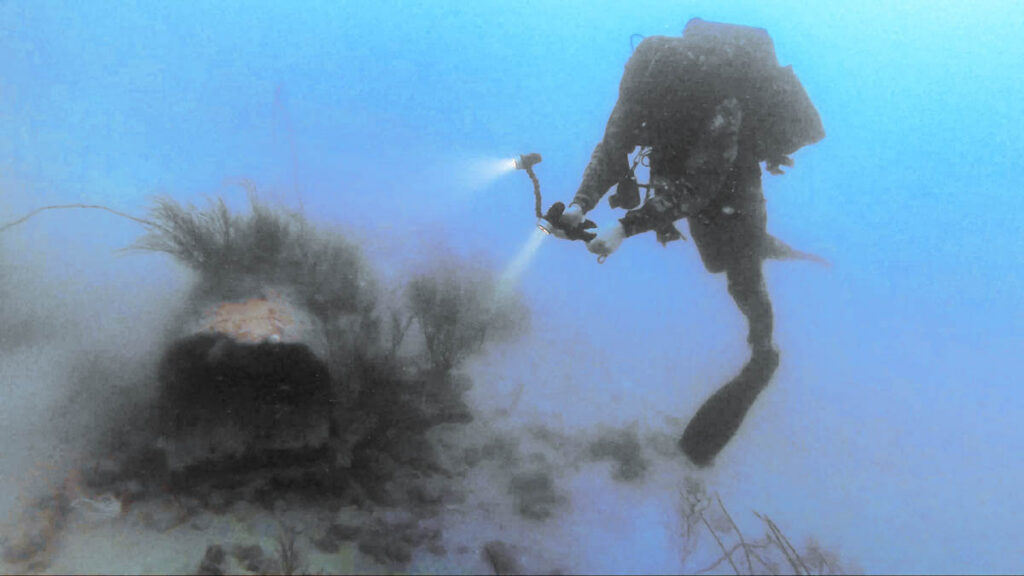
Maritime archaeologists and Royal Australian Navy divers have located the wreck of HMCS Spitfire, marking a significant discovery in Australia’s naval and underwater cultural heritage.
The wreck of Australia’s first domestically built warship has been discovered off the coast of Far North Queensland, bringing an end to a maritime mystery that has lasted more than a century.
HMCS Spitfire was located on 21 August 2026, exactly 128 years after the vessel sank in 1898. The discovery was publicly announced by the Australian Department of Defence on 19 November.
The search brought together naval personnel, maritime archaeologists and government heritage specialists, combining historical research, underwater detection technology and diving operations to locate and document the vessel.
A Remarkable Discovery Beneath Queensland’s Waters
The expedition involved the Royal Australian Navy, the Australian National Maritime Museum and Queensland’s Department of the Environment, Tourism, Science and Innovation.
The search was supported by HMAS Diamantina, a Huon-class minehunter equipped with specialist underwater search capabilities.
Historical records had provided researchers with an approximate location for the wreck, although differing accounts of the vessel’s loss made identifying its precise resting place challenging.
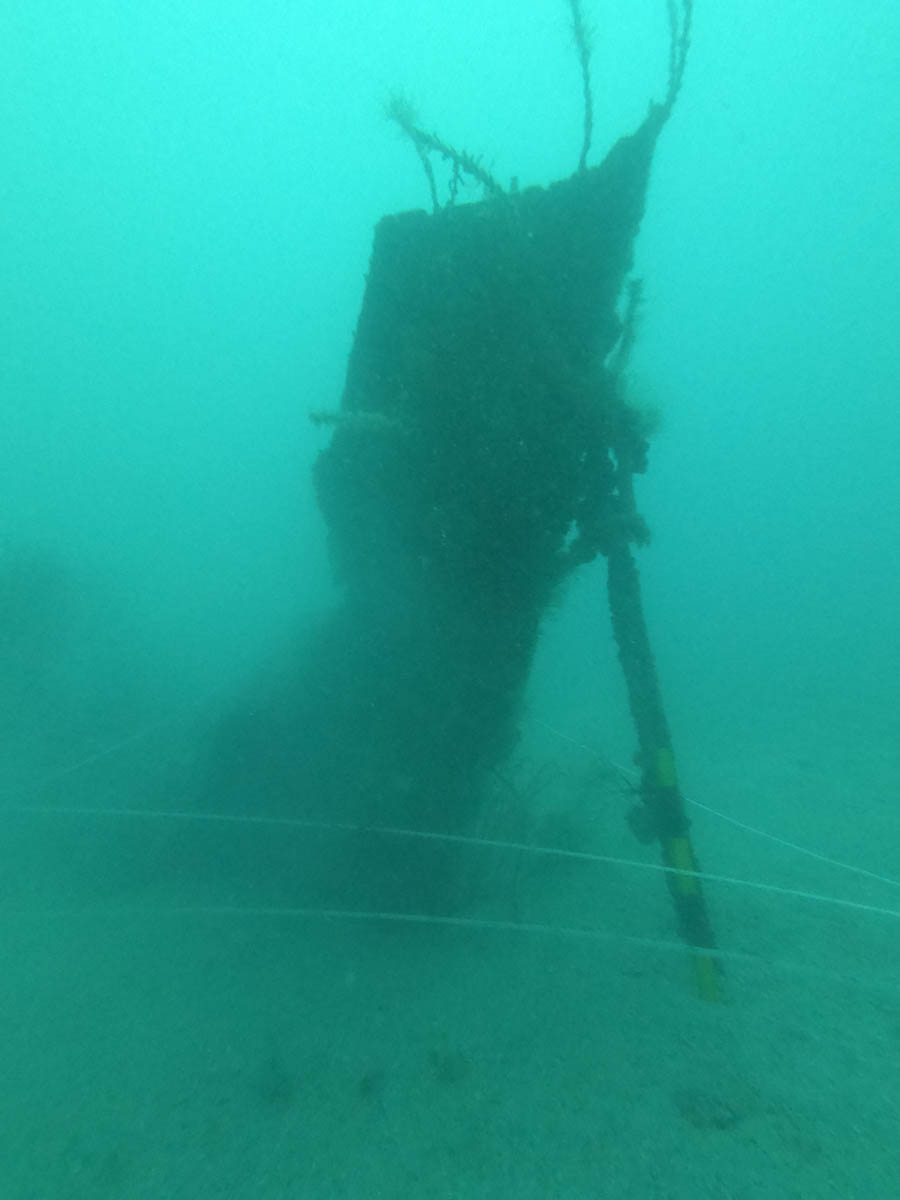
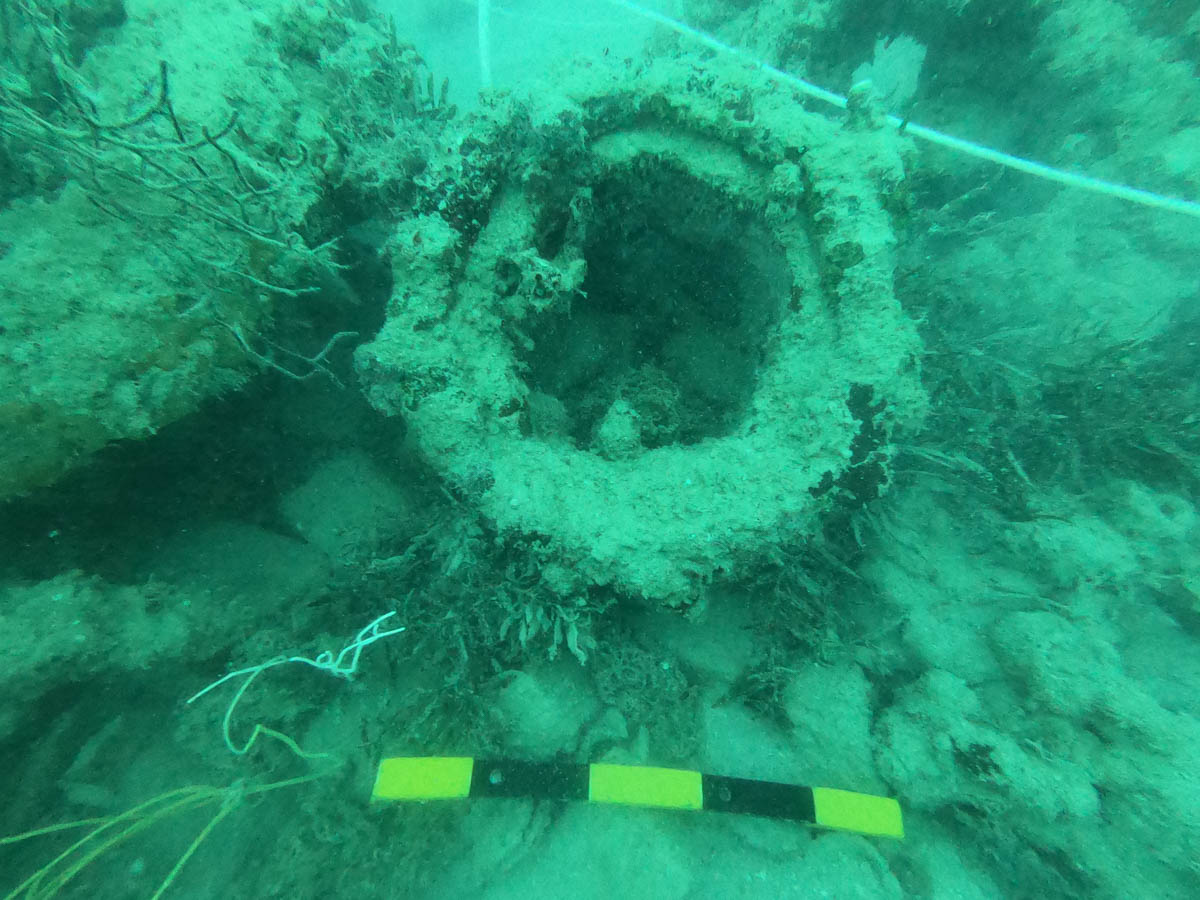
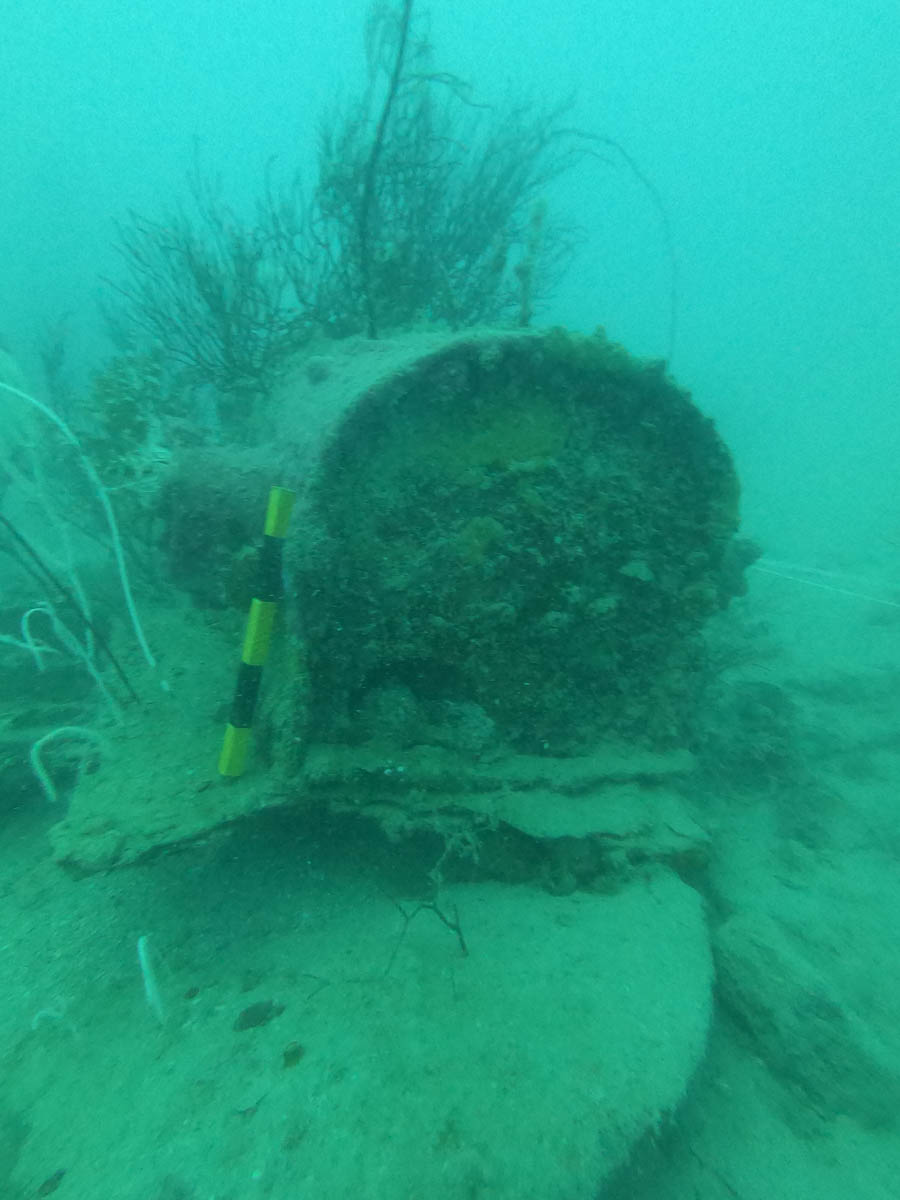
Following a month of search operations, sonar operators aboard HMAS Diamantina detected an anomaly on the seabed. Naval clearance divers subsequently examined and documented exposed sections of the wreck, enabling maritime archaeologists to identify the vessel.
Much of Spitfire remains buried beneath sediment. However, identifiable features, including its stem post and a small boiler, provided researchers with physical evidence to examine.
The discovery occurring on the anniversary of the vessel’s sinking adds an extraordinary historical coincidence to the expedition’s success.
The Origins of Australian Naval Shipbuilding
Launched in 1855 from John Cuthbert’s shipyard in Sydney’s Darling Harbour, Spitfire was constructed during a period of heightened international tensions associated with the Crimean War.
Concerns about the vulnerability of Britain’s Australian colonies encouraged the development of local maritime defence capabilities.
Constructed using Australian timber, Spitfire represented an important early step towards the establishment of a domestic naval shipbuilding industry.
Although conceived as a warship, the vessel spent much of its operational career undertaking coastal patrols and supporting maritime activities.
It subsequently entered service in Queensland, carrying out pilotage and navigational maintenance duties before passing into private ownership in 1885.
Its working life continued as a fishing vessel in northern Australian waters.
The Loss of HMCS Spitfire
After more than four decades of service, Spitfire encountered severe weather during a voyage off the Cape York Peninsula in August 1898.
The ageing wooden vessel began taking on water after encountering a gale, forcing those aboard to abandon ship.
According to historical details reported by ABC News, the crew reached a nearby island before being rescued by the Japanese steamship Omi Maru.
There were no fatalities.
Although the circumstances surrounding the vessel’s loss were recorded, its precise underwater location remained unknown until the 2026 expedition.
An Important Site for Maritime Archaeology
The discovery provides researchers with an opportunity to investigate Australia’s early shipbuilding techniques and better understand the vessel’s transition from colonial naval service to civilian maritime operations.
Wooden shipwrecks can present considerable challenges for underwater archaeologists. Exposed timber is vulnerable to deterioration, while sediment and marine growth can conceal surviving structural features.
Buried sections of Spitfire may retain archaeological evidence capable of revealing further details about its construction, subsequent modifications and the lives of those who worked aboard.
The expedition also demonstrates the continuing importance of collaboration between professional divers, naval search specialists, historians and maritime archaeologists in locating and documenting historically significant shipwrecks.
Protecting Australia’s Underwater Cultural Heritage
The wreck is protected under Australia’s Underwater Cultural Heritage Act 2018.
The discovery has not been accompanied by an announcement that the site will become accessible to recreational or technical divers.
Rather, its significance lies in the archaeological and historical information that further investigation could reveal, alongside the importance of preserving the surviving remains.
Archaeologists hope to return to the site in 2027 to continue their examination of the wreck.
For Australia’s maritime heritage community, the discovery represents a tangible connection to the earliest years of domestic naval shipbuilding. For underwater archaeologists and wreck enthusiasts worldwide, it is another reminder of how much maritime history remains hidden beneath the world’s oceans.
Kaynak: SCUBA NEWS
