
 Nöbetçi Eczaneler







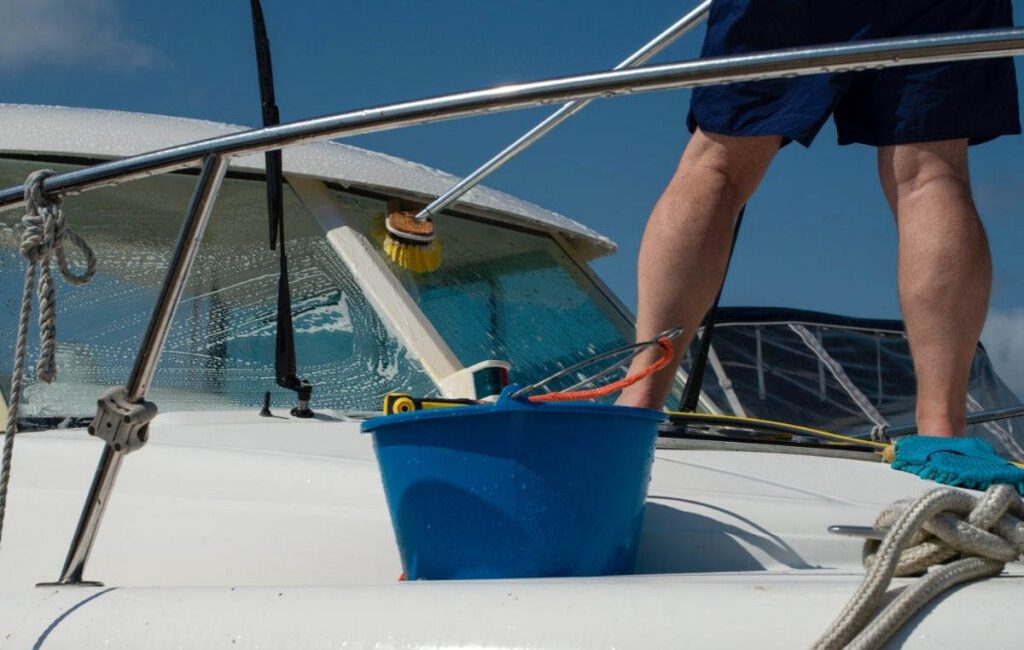
Owning a boat opens up plenty of opportunities for recreation, but it also comes with responsibilities that many first-time owners underestimate. Unlike cars, boats face constant exposure to moisture, changing temperatures, and harsh environmental conditions. Without proper maintenance, even a relatively new vessel can develop expensive problems. Unfortunately, new owners often overlook small maintenance tasks until something stops working. Understanding where new boat owners usually go wrong with maintenance can help you avoid unnecessary repairs, protect your investment, and enjoy more time on the water.
Skipping Regular Engine Inspections
One of the biggest mistakes new boat owners make involves neglecting their engines. Marine engines operate under demanding conditions, and small mechanical problems can quickly become serious.
Check your engine regularly for unusual noises, fluid leaks, and signs of corrosion. Pay attention to changes in performance, especially difficulty starting or unexpected power loss.
Follow your manufacturer’s recommended maintenance schedule for oil changes, filters, and other components. Regular inspections help you identify developing problems before they leave you stranded.
Forgetting To Flush the Engine
Many beginners don’t realize how important engine flushing can be, particularly after boating in saltwater. Salt deposits can accumulate inside cooling passages and contribute to corrosion.
Follow your engine manufacturer’s flushing instructions after saltwater use. Some engines also benefit from flushing after operating in muddy or debris-filled freshwater.
Always follow the correct procedure for your particular engine. Certain systems require specific water pressure or operating conditions, and improper flushing can cause damage.
Ignoring the Boat’s Hull
Your boat’s hull requires more attention than occasional cleaning. Scratches, cracks, and other surface damage can worsen when you ignore them.
Inspect the hull regularly, especially after encountering shallow water or underwater obstacles. Look for chips in the gelcoat, unusual discoloration, and signs of impact damage.
Some repairs require marine fairing compounds to smooth uneven surfaces before applying appropriate protective coatings. However, structural damage requires professional evaluation rather than simple cosmetic repairs.
Addressing minor surface problems early helps preserve your boat’s appearance and long-term durability.
Neglecting Battery Maintenance
othing ruins a planned boating trip faster than discovering a dead battery. Unfortunately, new owners frequently overlook battery care until their engines refuse to start.
Marine batteries face vibration, moisture, and periods of inactivity. These conditions make regular inspections especially important.
Check battery terminals for corrosion and verify that connections remain secure. Monitor charge levels and use a suitable marine battery charger when necessary.
If your boat sits unused for extended periods, follow the battery manufacturer’s storage recommendations. Proper battery care reduces unexpected starting problems.
Overlooking Important Safety Equipment
Maintenance involves more than keeping your boat running. You also need to maintain equipment that protects everyone onboard.
ew owners sometimes purchase safety supplies and assume they never need another inspection. However, equipment can deteriorate or expire over time.
Make regular safety checks part of your routine:
- Inspect life jackets for tears, damaged straps, and proper fit.
- Check fire extinguishers according to manufacturer instructions.
- Verify that navigation lights function correctly.
- Inspect emergency signaling devices and their expiration dates.
- Test bilge pumps and associated warning systems.
These simple checks help ensure your equipment functions when emergencies occur.
Failing To Clean the Boat Properly
Some owners assume occasional rinsing provides enough cleaning. Unfortunately, dirt, salt, and organic material can accumulate in areas that require additional attention.
Wash your boat with cleaning products that suit its surfaces. Avoid harsh household chemicals that might damage protective coatings or upholstery.
Pay particular attention to compartments where moisture collects. Clean drains and remove debris that could restrict water movement.
Regular cleaning also gives you opportunities to notice developing maintenance problems before they become expensive repairs.
Forgetting About the Propeller
Your propeller plays an important role in boat performance, yet many beginners rarely inspect it.
Fishing line can wrap around the propeller shaft and damage seals. Small impacts can also bend blades, creating vibration and reducing efficiency.
Inspect your propeller periodically for visible damage. Follow manufacturer instructions before removing components, and never approach the propeller while the engine could start.
If you notice unusual vibration or performance changes, have a qualified technician inspect the propulsion system.
Using the Wrong Maintenance Products
ot every automotive maintenance product works safely in marine environments. Boats require materials that tolerate moisture and demanding operating conditions.
For example, marine engines often need lubricants that meet specific manufacturer requirements. Using inappropriate oil or grease can accelerate component wear.
Similarly, certain household cleaners can damage marine finishes or leave harmful residues.
Always consult your owner’s manual before purchasing maintenance supplies. Choosing compatible products protects your equipment and prevents unnecessary expenses.
Ignoring Corrosion Until It Spreads
Corrosion represents a persistent concern for boat owners, particularly those who operate in saltwater environments.
Metal components can deteriorate when moisture and electrical conditions encourage corrosion. New owners sometimes dismiss early discoloration as harmless.
Inspect exposed hardware, electrical connections, and underwater components regularly. Check sacrificial anodes according to your manufacturer’s recommendations and replace them when necessary.
Avoid mixing incompatible metals during repairs without understanding their corrosion risks.
Early intervention can prevent minor corrosion from turning into expensive component replacement.
Neglecting the Bilge Area
The bilge collects water that enters the lowest sections of your boat. While small amounts of water may appear occasionally, excessive accumulation deserves immediate attention.
Inspect the bilge for unexpected water, oil, or debris. Investigate recurring water accumulation rather than relying entirely on the bilge pump.
Keep pump intakes clear and test automatic switches regularly.
A clean bilge also makes identifying leaks easier, helping you address problems before they threaten your boat’s reliability.
Storing the Boat Incorrectly
Improper storage can cause significant damage, especially during colder months. New owners sometimes assume a protective cover provides everything their boats need. However, storage preparation should address moisture control, engine protection, and freezing temperatures.
Winterization requirements depend on your engine, plumbing systems, and local climate. Follow manufacturer instructions for draining or protecting vulnerable components.
Choose a properly fitted cover that allows appropriate ventilation. Trapped moisture can encourage mold growth and damage interior materials.
Good storage habits reduce the maintenance work you’ll face when boating season returns.
Forgetting To Maintain the Trailer
If you transport your boat on a trailer, remember that the trailer needs regular attention too.
Inspect tires for wear and proper inflation. Check wheel bearings, lights, brakes, and suspension components according to the trailer manufacturer’s recommendations.
Saltwater exposure makes cleaning especially important. Rinse appropriate trailer components after launching and retrieving your boat in saltwater.
Also inspect straps and attachment points before every trip. Trailer problems can create serious safety hazards long before you reach the water.
Failing To Keep Maintenance Records
Many beginners rely on memory to track maintenance tasks. Unfortunately, remembering every inspection and service interval becomes difficult over time.
Create a simple maintenance log that includes service dates, operating hours, and completed repairs.
Record replacement parts and note recurring mechanical concerns. These details help technicians identify patterns and make future maintenance easier.
Accurate records can also reassure potential buyers if you eventually decide to sell your boat.
Waiting Too Long To Address Problems
Perhaps the most expensive mistake involves postponing repairs because a problem seems minor.
A small leak, unusual engine noise, or intermittent electrical issue rarely improves without attention. Continuing to operate your boat can make the underlying problem worse.
Investigate unusual symptoms promptly and consult a qualified marine technician when necessary.
Preventive maintenance generally costs less than major repairs and helps you avoid unexpected interruptions.
Build Better Maintenance Habits Early
Successful boat ownership requires consistent attention and avoiding a few common mistakes. Establish a practical maintenance schedule based on your boat’s equipment, operating conditions, and manufacturer recommendations.
Perform basic inspections before and after outings. Schedule professional service when necessary, and address developing problems promptly.
The sooner you establish dependable maintenance habits, the easier boat ownership becomes. Proper care protects your investment, improves reliability, and allows you to spend more time enjoying your boat instead of repairing it.
Kaynak: SCUBA NEWS
