
 Nöbetçi Eczaneler






Plans for a new diving park in Paleokastritsa, Corfu, have triggered political opposition after nearly 879,000 square metres of public marine space were placed under a 20-year private management concession. Local authorities are now seeking to overturn the decision, raising questions about access, consultation and the future of marine tourism businesses.
A proposed diving park on the Greek island of Corfu has become the centre of a growing political dispute after the local municipal council unanimously agreed to seek the revocation of a government decision granting a private company management rights over a substantial area of the Ionian Sea.
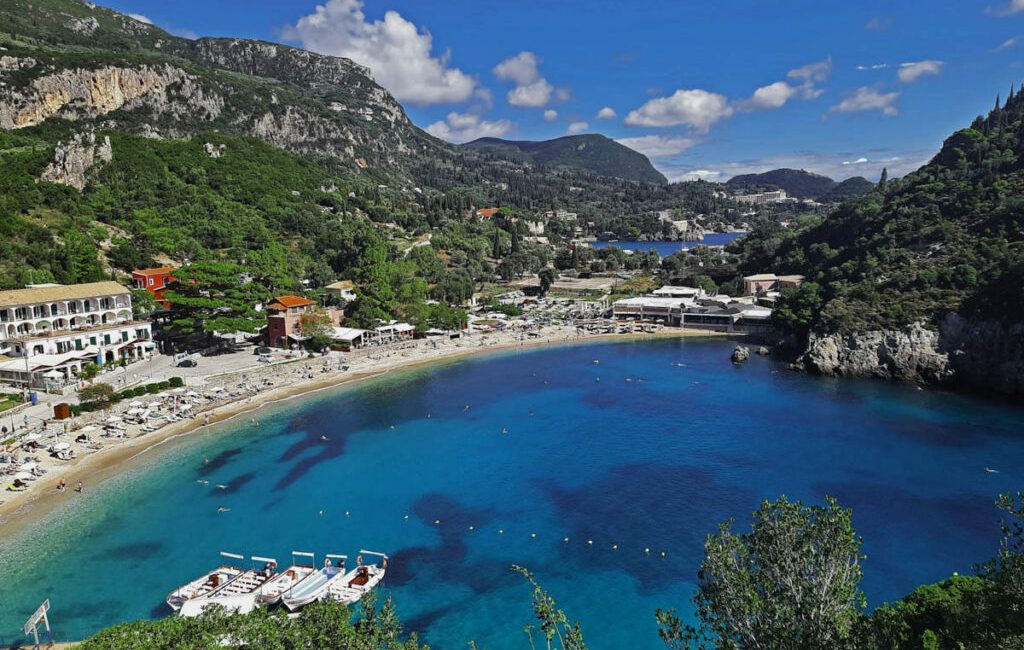
The controversy concerns the waters around Paleokastritsa, one of Corfu’s best-known coastal destinations and an established location for recreational scuba diving.
Under a ministerial decision published in the Greek Government Gazette on 3 November 2026, approximately 878,823 square metres of marine territory have been designated as a diving park.
The concession has been granted to Enydreio Kerkyras Monoprosopi IKE, trading as Corfu Aquarium, for an initial period of 20 years, with provision for further 10-year renewals subject to government approval.
The arrangement has prompted questions about the management of publicly owned marine areas, the commercial rights of existing operators and how the proposed park will function alongside established coastal activities.
Municipal Council Calls for Concession to Be Revoked
The dispute escalated during a meeting of the Central Corfu and Diapontia Islands Municipal Council on 12 November.
Following objections from local representatives, the council unanimously agreed to request the revocation of the ministerial decision and initiate legal procedures aimed at having it annulled.
According to local reporting on the council meeting, concerns included the extent of consultation with affected communities, restrictions on existing economic activities and the financial terms of the concession.
Representatives of communities surrounding Paleokastritsa raised concerns about the potential consequences for residents and businesses dependent on marine tourism.
The council’s decision represents a formal challenge to the project, although it does not itself invalidate the ministerial approval.
There has been no verified confirmation that the concession has been revoked or that a court has annulled the decision.
What the 20-Year Concession Includes
The designated diving park covers two separate marine sections near Agios Petros Bay in Paleokastritsa.
According to the government decision, the designated area is intended to accommodate organised recreational diving, environmental education and scientific research.
The park will be managed by Corfu Aquarium, while guided diving activities are to be conducted by appropriately licensed diving service providers.
The regulatory framework includes several restrictions designed to protect the designated marine area and manage activity around divers.
Fishing, including recreational fishing and spearfishing, is prohibited within the park and an adjoining 50-metre safety zone.
Anchoring within the park is also prohibited, with vessels required to use designated mooring facilities where permitted.
avigation is restricted within protected areas, while vessels must generally maintain a minimum distance of 150 metres from locations where guided diving activities are taking place, subject to the specified exceptions.
These restrictions could have practical consequences for fishing vessels, sightseeing boats and other marine tourism operations using the surrounding waters.
For diving businesses, the principal questions concern how access will be organised, whether existing licensed operators can provide services within the park and what commercial arrangements will apply.
Questions Raised Over Annual Concession Payment
The financial terms of the concession have attracted particular attention.
The government decision specifies an annual payment of €10,860, equivalent to €905 per month, for the management rights covering approximately 87.9 hectares of marine space.
The stated calculation also refers to a rate of €12 per stremma, a Greek unit of land measurement equivalent to 1,000 square metres.
However, applying that rate to the published area of 878.823 stremmas produces approximately €10,546 rather than €10,860.
The apparent discrepancy requires clarification from the relevant authorities. It does not, in itself, establish that the concession was improperly awarded.
The wider financial arrangements have also been questioned in the Greek Parliament.
Corfu MP Alexandros Avlonitis has sought explanations concerning the selection process, calculation of the concession payment and safeguards protecting the public interest.
The questions extend to the potential effects on existing professional activities in the area.
Corfu Aquarium Defends the Project
Corfu Aquarium has responded publicly to the controversy, maintaining that the concession provides management and usage rights rather than ownership of the sea.
In a statement reported by the Greek newspaper Kerkyra Simera on 10 November, the company addressed concerns surrounding the approval procedure, financial arrangements and responsibilities associated with managing the park.
Speaking on behalf of Corfu Aquarium, Kostas Poulimas explained that the applicable legal framework provides for an application and administrative assessment process, rather than requiring a competitive auction as part of the approval procedure.
The company also stated that the annual concession payment was determined through the relevant administrative process, rather than being selected independently by the operator.
Corfu Aquarium has presented the development as an opportunity to support diving tourism, environmental awareness and cooperation with local businesses.
The company has indicated that a public presentation is planned for late November, when it intends to provide further information about the project and address questions raised during the public debate.
What Does This Mean for Divers and Dive Centres?
The creation of designated diving parks can provide opportunities to organise recreational diving activities, strengthen marine protection measures and attract visitors interested in underwater environments.
However, the commercial and operational structure of such projects can be equally important to the local diving industry.
In Paleokastritsa, it remains unclear how the proposed park will interact with existing dive centres and other marine tourism businesses, particularly where operators may already use waters now included within the designated boundaries.
The concession framework provides for licensed diving service providers to conduct guided activities, but further clarification is needed concerning access arrangements, visitor charges and any requirements imposed by the park’s management company.
There are also questions about how restrictions on navigation, fishing and anchoring will affect neighbouring operators and coastal communities.
The dispute therefore extends beyond whether Corfu should develop a diving park. It also concerns how protected and commercially managed marine spaces should be established, who participates in the decision-making process and how existing users are accommodated.
What Happens Next?
The immediate question is whether the municipal council’s opposition will result in a formal legal challenge capable of changing the project’s approval or operating conditions.
Further parliamentary scrutiny may also produce additional information about the concession’s financial terms and administrative approval.
Corfu Aquarium’s planned public presentation later in November could provide an opportunity for local dive operators, tourism businesses and community representatives to seek clarification directly from the proposed management company.
For the wider diving industry, the outcome could provide an important example of how the development of organised diving tourism is balanced against existing commercial activity and public access to marine areas.
For now, the ministerial decision remains the basis for the proposed diving park, while local opposition continues and significant questions about its practical operation remain unanswered.
Kaynak: SCUBA NEWS
